Military officers in Guinea-Bissau say they have detained President Umaro Embaló and taken control a day before provisional presidential results were due. Heavy gunfire was reported in the capital, the electoral process has been halted, media broadcasts suspended, borders closed and a curfew imposed. The West African nation, labelled a "narco-state" by the UN, has seen rising cocaine trafficking, including a 2.63-tonne seizure last year. The situation is fluid and may have significant regional implications.
Coup in Guinea-Bissau: Military Detains President Ahead of Election Results

Military officers in Guinea-Bissau say they have detained President Umaro Embaló and taken control of key state institutions a day before provisional presidential results were due. Heavy gunfire was reported in the capital, Bissau, and authorities say the military has halted the electoral process and imposed wide-reaching restrictions.
What happened
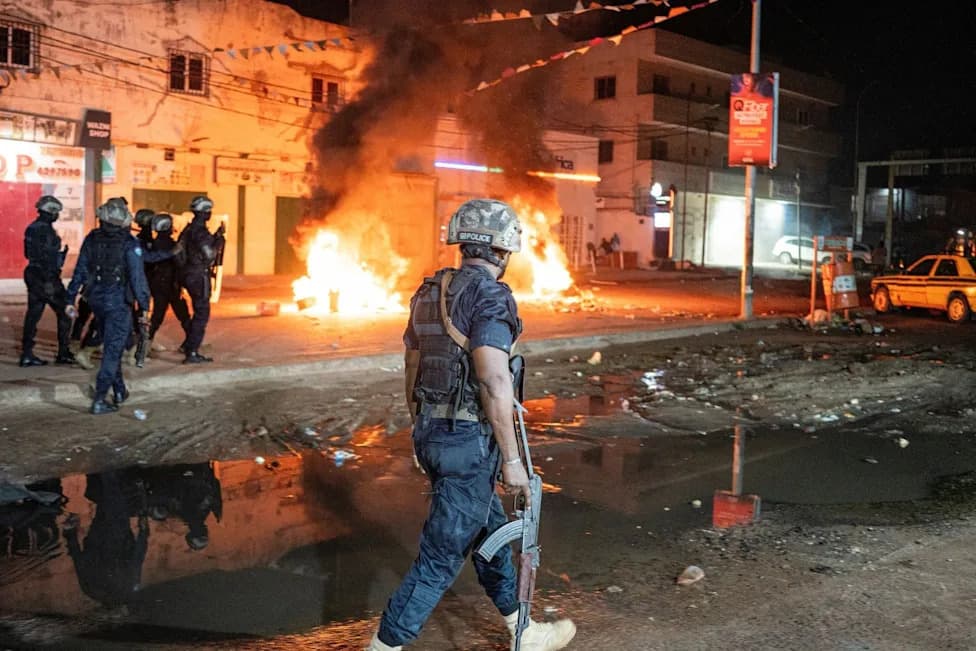
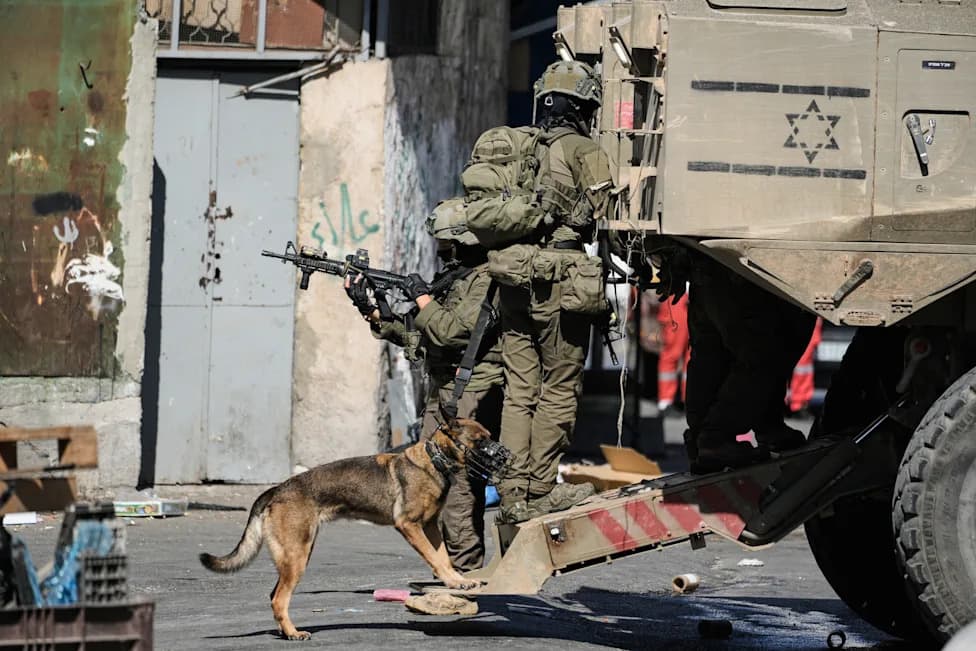
Around 1pm GMT, heavy gunfire erupted near the presidential palace and the national electoral commission offices in Bissau and continued for about an hour. Witnesses described scenes of panic as hundreds fled on foot and in vehicles amid fears of mass casualties.
General Denis N’Canha, head of the presidential military office, appeared on state television flanked by armed soldiers and announced that President Umaro Embaló had been detained. General N’Canha said security forces had uncovered a plan to destabilise the country "involving national drug lords," including the introduction of weapons to alter the constitutional order.
Measures taken by the military
According to the military announcement, authorities have:
- Stopped the ongoing electoral process;
- Suspended media broadcasting;
- Closed international borders;
- Imposed a mandatory nationwide curfew;
- Detained members of the presidential staff and several ministers.
Context and background
Guinea-Bissau, a small West African country of roughly 2.2 million people, has a long history of political instability and has experienced multiple coups or attempted coups since independence in 1974. The United Nations has described the country as a "narco-state" because it is a key transit point for cocaine trafficking from Latin America to Europe.
Under President Embaló's tenure the illicit trade appeared to grow: in September of last year authorities reported seizing 2.63 tonnes of cocaine from a plane that landed in Bissau from Venezuela. A report in August by the Global Initiative Against Transnational Organised Crime said Bissau’s cocaine market had become extremely profitable.
Economically, the International Monetary Fund projects Guinea-Bissau’s GDP growth at 5.1% for the year, while the World Bank estimated the country’s average annual income at about $963 in 2024, underscoring deep poverty despite modest growth.
Immediate implications and reactions
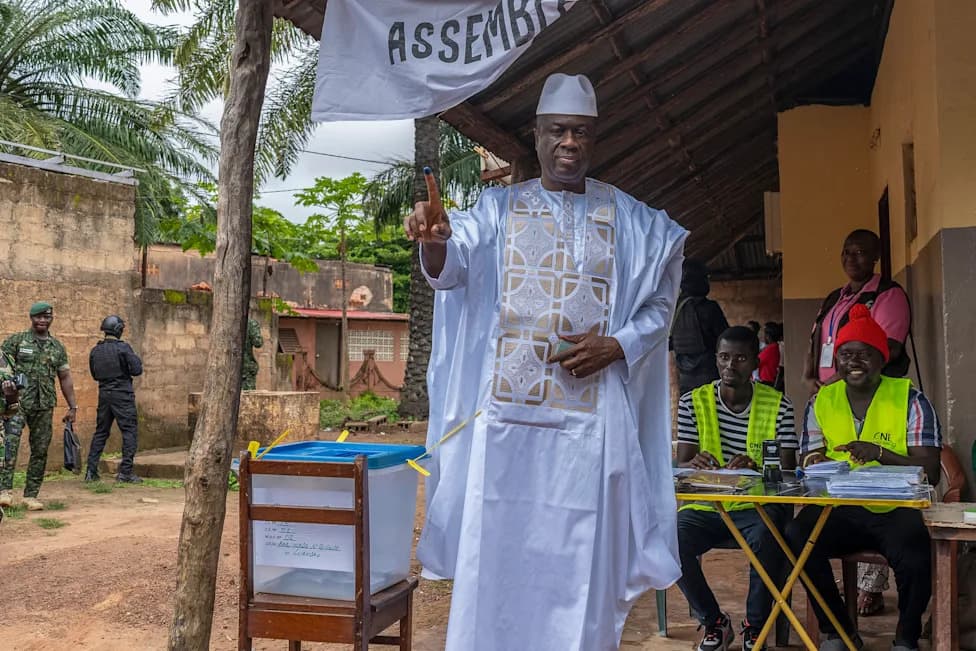
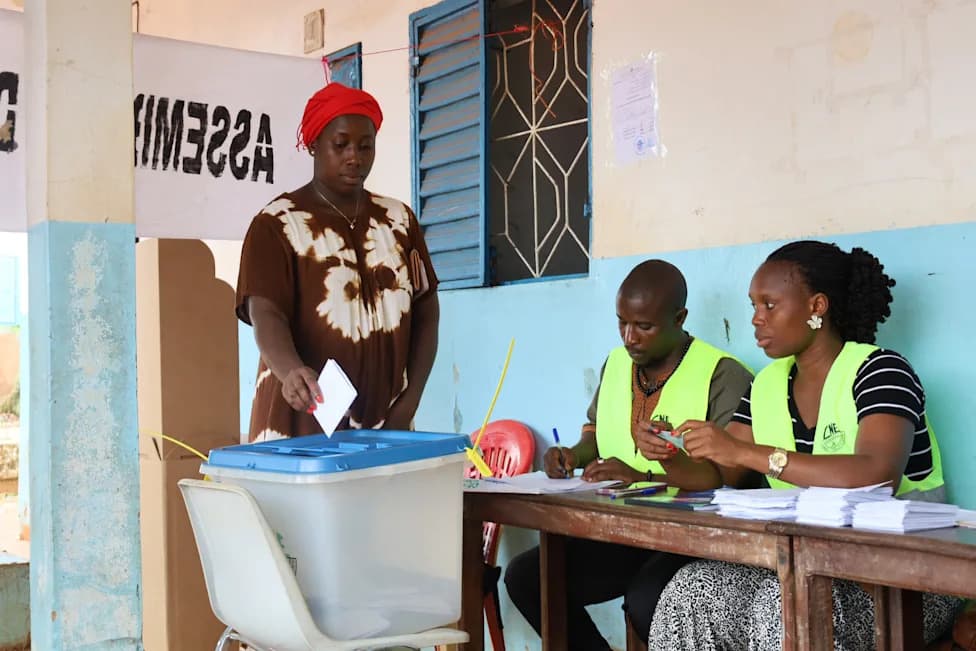
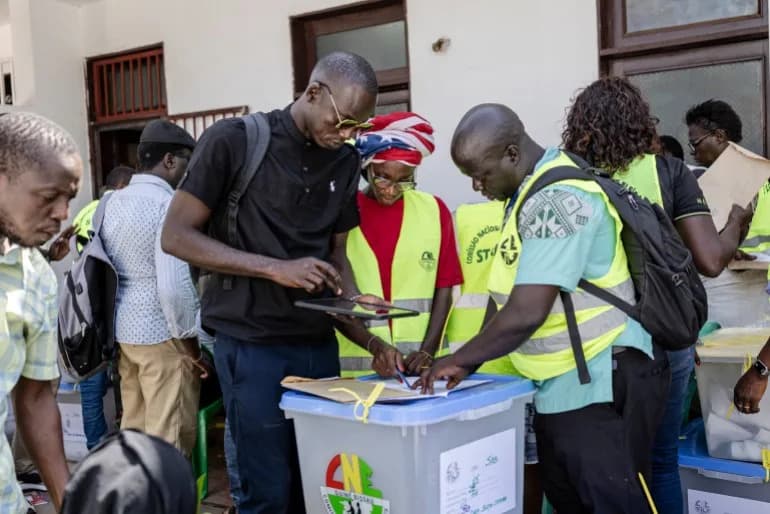
More than 6,780 security personnel, including officers deployed by the Economic Community of West African States (ECOWAS), had been assigned to support the vote and the post-election period. The country’s last presidential election in 2019 resulted in a prolonged, four-month post-election crisis after rival candidates both claimed victory.
Some critics of President Embaló — who has said he survived previous coup attempts — have speculated the takeover could be a pre-emptive or staged move, though those claims remain unproven. Embaló told a broadcaster on Wednesday, "I have been deposed."
Outlook
The situation remains fluid. The suspension of electoral processes and media, detentions of senior officials, and the country’s strategic role in regional drug trafficking raise the stakes for both domestic stability and international response. Regional and international actors, including ECOWAS, are likely to monitor developments closely and may seek to mediate or respond depending on how events unfold.
Help us improve.