Michigan is tracking 12 active HPAI outbreaks—eight at commercial poultry operations and four backyard incidents—consistent with seasonal transmission driven by migratory birds. The H5N1 variant that spread into dairy herds in 2024 and prompted expanded milk testing has not been detected for months. State and federal agencies are coordinating surveillance, continuing milk testing, and urging hunters, flock owners, and farmworkers to follow biosecurity and hygiene precautions. Anyone who observes sudden flock deaths or unusual wild-bird behavior should report it to state authorities.
Michigan Tracks Seasonal Poultry HPAI; Dairy-Linked H5N1 Strain Not Detected for Months

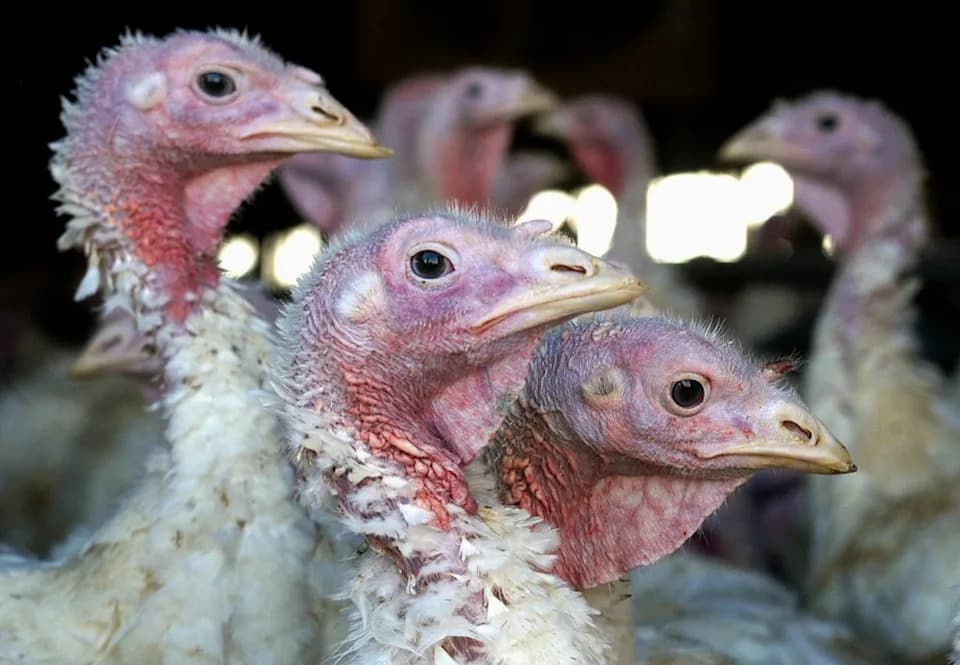
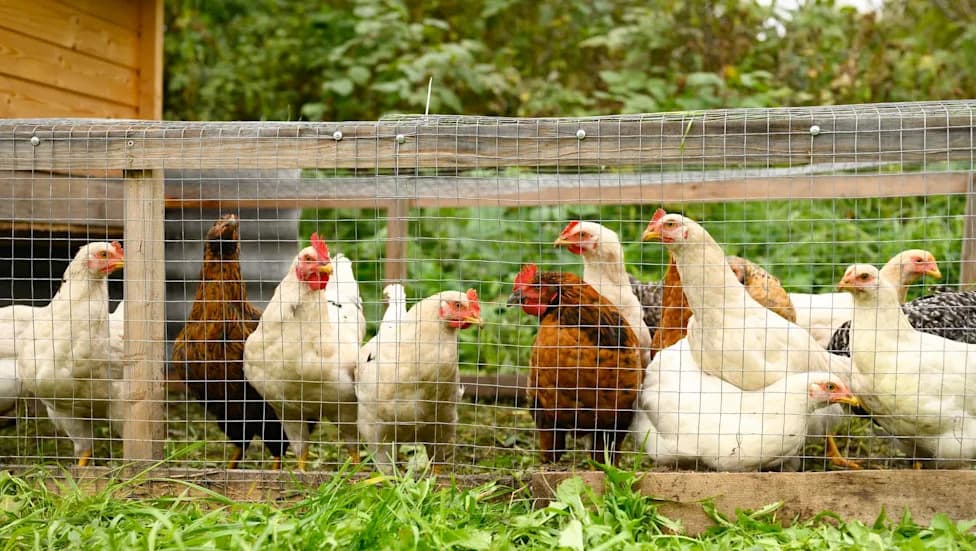
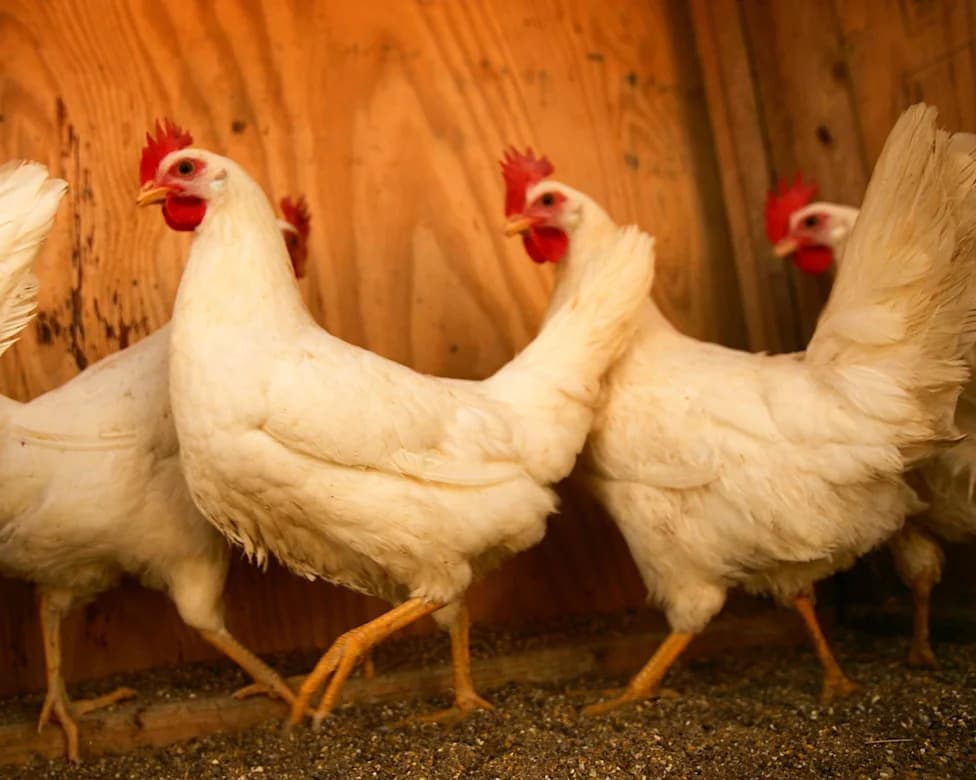
Michigan continues to monitor Highly Pathogenic Avian Influenza (HPAI) activity across the state. Authorities are tracking 12 active outbreaks—eight at commercial poultry operations and four in backyard flocks—with most detections concentrated on the west side of the state. At the same time, the specific H5N1 variant that previously spread into dairy herds in 2024 has not been detected for several months.
Current situation
Tim Boring, director of the Michigan Department of Agriculture and Rural Development (MDARD), says the pattern of detections "tracks generally with what we see in the late fall and early winter." He noted that eight commercial-site outbreaks are slightly above typical seasonal levels but consistent with transmission driven by wild migratory birds.
How the virus spreads and the dairy connection
HPAI circulates widely in wild birds—particularly migratory waterfowl—which can carry the virus long distances and seed infections in domestic flocks. The virus can also spread indirectly via contaminated equipment, feed, clothing, or other fomites.
Until 2024, HPAI rarely infected people. That changed when an H5N1 variant was detected in cattle earlier in 2024, first identified in a Texas dairy herd in March and subsequently linked to infections on some dairy farms in other states, including Michigan. The Centers for Disease Control and Prevention reported at least one human infection associated with contact with infected cattle. MDARD and federal partners expanded milk testing and surveillance in response.
Where the dairy-linked strain stands
Testing and surveillance continue, but the dairy-associated H5N1 variant has not been identified in recent months. "We're not sure where the strain went," Boring said. "On the national level too. Our partners at the USDA and research institutions are looking at assessments of the virus. We haven't seen many detections for months." He added that the episode highlights how much remains unknown about the virus's behavior and evolution.
Public-health guidance and precautions
- For hunters: Take precautions when handling waterfowl. Use gloves, avoid contact with internal organs, and thoroughly disinfect gear. Cook game to an internal temperature of 165°F to inactivate the virus.
- For poultry and dairy workers, and flock owners: Keep domestic birds separated from wild birds, house flocks during migratory seasons when possible, and practice strict hygiene—wash hands before and after handling birds and disinfect equipment and clothing.
- Report suspected cases: Domestic bird owners who observe sudden flock deaths, a drop in egg production, or other concerning signs should contact MDARD at 800-292-3939 (business hours) or 517-373-0440 (after hours). People who see unusual or alarming behavior in wild birds can use the DNR’s Eyes in the Field app or call the DNR lab at 517-336-5030.
Coordination and ongoing research
State agencies—including MDARD, the Department of Natural Resources (DNR), and the Michigan Department of Health and Human Services (MDHHS)—remain coordinated with federal partners to monitor animal and human health risks. Researchers continue to study HPAI's evolution, transmission pathways, and the reasons the dairy-associated variant has not been detected recently.
MDARD emphasizes that seasonal surveillance, timely reporting, and basic biosecurity measures are the best tools to limit spread and to protect both animal and public health.
Help us improve.