Quick summary: Morgan Geyser, who pleaded guilty in the 2014 Slender Man–related stabbing of classmate Payton Leutner, was recaptured in Posen, Illinois, about 24 hours after leaving a supervised group home. She removed her monitoring bracelet and traveled with an acquaintance, then waived extradition in Cook County. Wisconsin authorities have filed to revoke her conditional release; if revoked, she would be returned to a secure institutional facility. The case continues to raise questions about public safety and treatment for severe mental illness.
‘Slender Man’ Case: Morgan Geyser Recaptured After Fleeing Group Home — Timeline and Next Steps

Summary: Morgan Geyser, who pleaded guilty in the 2014 stabbing of sixth-grader Payton Leutner in a case tied to the fictional "Slender Man," was recaptured about 24 hours after leaving a supervised group home. She was found in Posen, Illinois, and has waived extradition to Wisconsin, where authorities have filed a petition to revoke her conditional release.
What happened
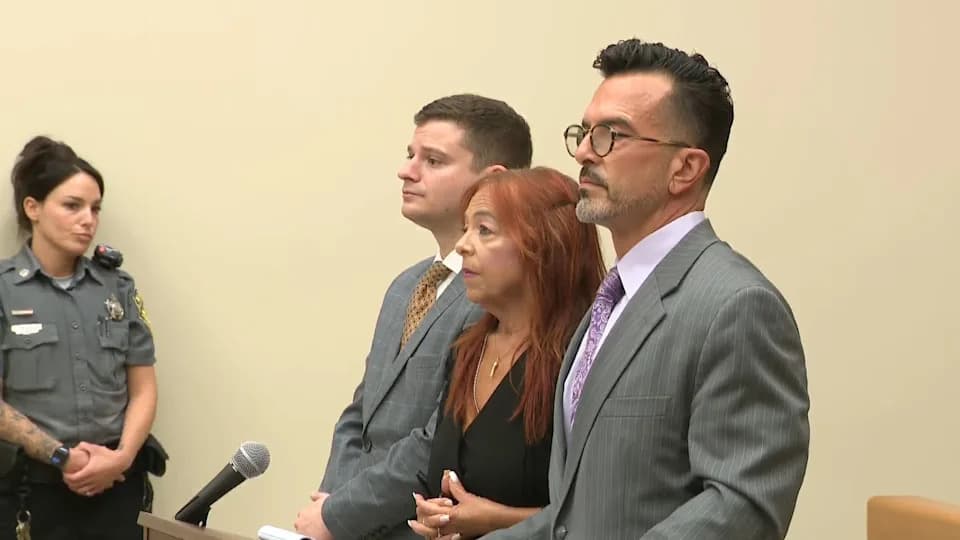
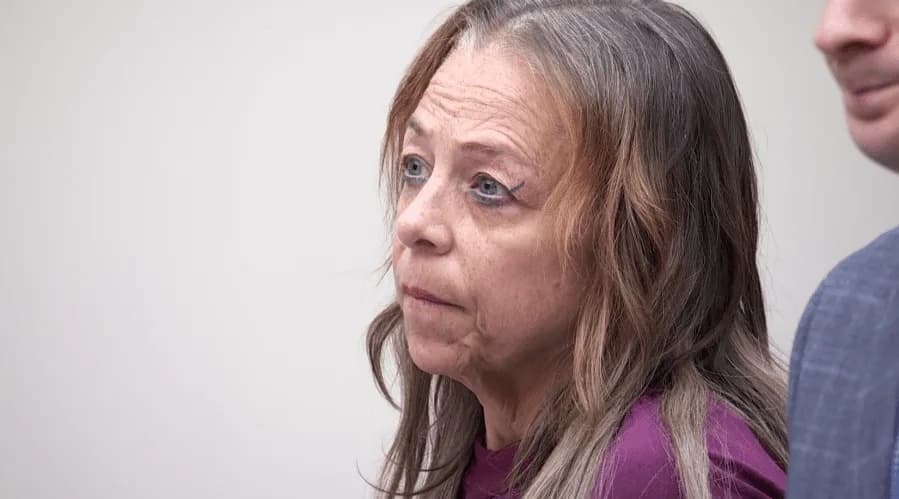
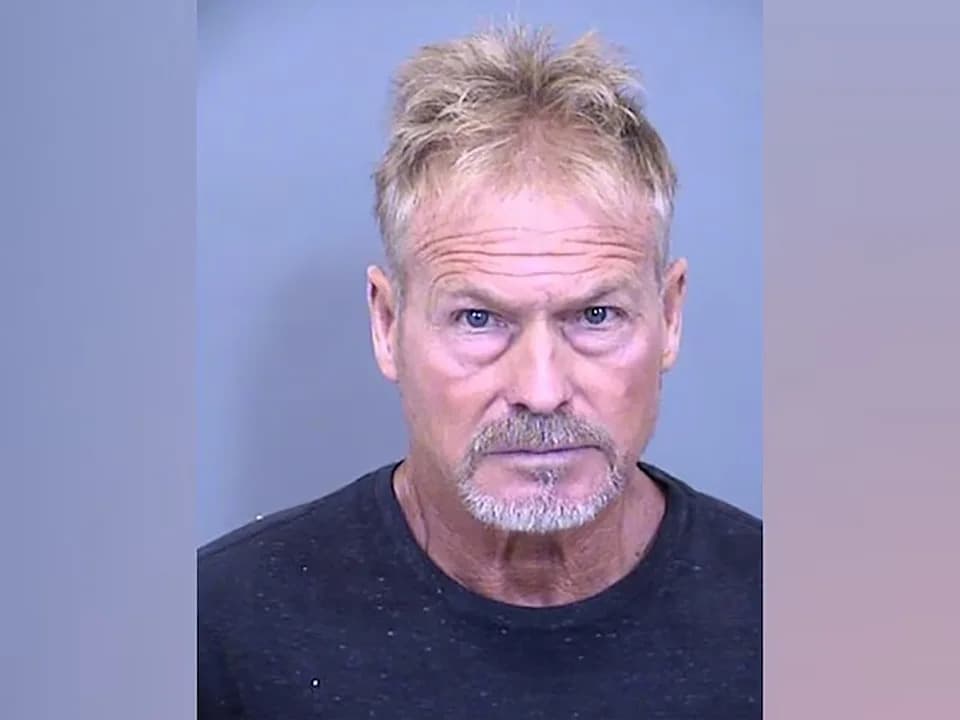
Geyser, 23, disappeared from a group home where she was living under conditional release after being confined to a mental health facility for nearly seven years. She removed her monitoring bracelet and traveled by bus with an acquaintance, later identified as Charly Mecca, and was located the next day sleeping behind a truck stop in Posen, Illinois. After initially giving a false name, she acknowledged her identity and said officers could "just Google" her. She waived extradition in Cook County and will be returned to Waukesha County, Wisconsin.
The 2014 attack
In 2014, when all three girls involved were 12, investigators say Geyser and Anissa Weier lured their classmate Payton Leutner into nearby woods during what was described to the victim as a game of hide-and-seek. Geyser repeatedly stabbed Leutner with a kitchen knife, inflicting a wound near her heart. Leutner crawled from the woods and a passing bicyclist called 911. Court records noted the injury left her "one millimeter away from certain death."
Legal outcomes and treatment
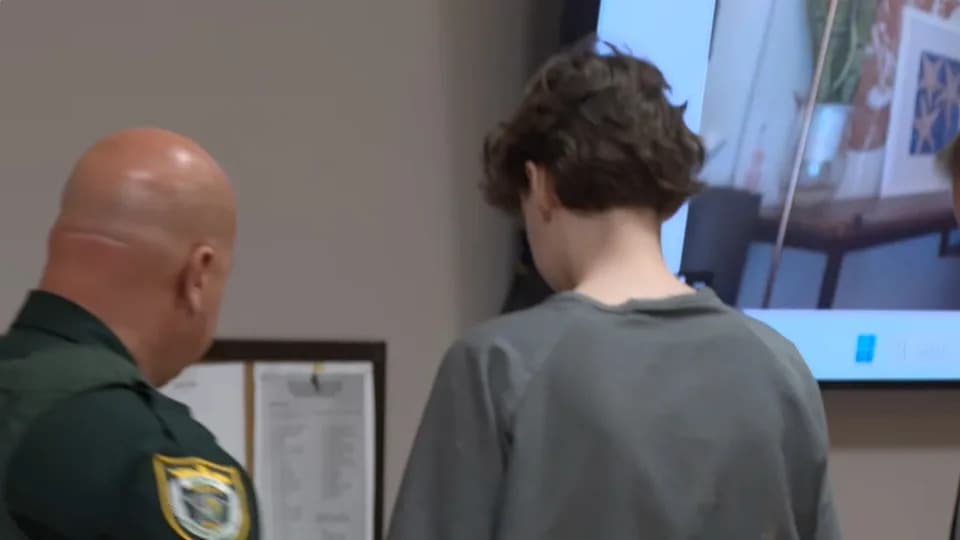
Following the attack, both girls entered plea agreements that placed them into long-term mental health care rather than traditional prison sentences. Geyser, then 15, pleaded guilty to attempted first-degree murder but was committed to a state mental health facility under laws that treat severe mental illness as mitigating legal responsibility; a judge ordered that she serve time in institutional care rather than serve an ordinary criminal sentence. She was later diagnosed with schizophrenia.
Anissa Weier accepted a plea to attempted second-degree homicide due to mental illness and was ordered committed to state care for 25 years. Both cases emphasized treatment and confinement in secure mental health facilities rather than incarceration as the primary legal remedy.
Release, objections and recapture
In January, a judge approved Geyser's conditional release from the Winnebago Mental Health Institute after state and local health officials completed a community supervision and housing plan. Prosecutors had objected to the release, citing concerns that she had been reading graphic material and communicating with a collector of crime memorabilia. Nonetheless, officials placed her in a supervised group home under conditions intended to protect the community while continuing treatment.
After Geyser left the group home and cut off her monitoring bracelet, local authorities in Madison announced a search. Police later confirmed she had been detained in Posen, Illinois; Cook County processed her extradition waiver and set bond at no bail at Waukesha County's request. The Wisconsin Department of Health Services has since filed a petition to revoke her conditional release, and the Waukesha County District Attorney has signaled support for revocation. If the petition is granted, she would be returned to a more secure institutional setting.
Next steps and community impact
Geyser will remain in custody while Wisconsin authorities arrange for her return. Local prosecutors and health officials will determine whether her conditional release will be revoked and whether she should be returned to inpatient institutional care. The case continues to attract public attention because of its violent nature, the victims' ages when the crime occurred, and the broader conversation about how the legal system balances public safety with treatment for severe mental illness.
Note: This account focuses on verified events and court actions related to the case. Names and basic legal details are provided to clarify the status of individuals involved.
Help us improve.