Three-year-old Oliver Chu, diagnosed with Hunter syndrome, traveled to the U.K. for an experimental stem-cell gene therapy and received a genetically modified stem-cell infusion in February 2025. He was the first of five boys to undergo this treatment and has shown marked physical and cognitive improvement. His parents say they are "forever grateful" and hope the success may benefit his older brother. Medical teams emphasize that further follow-up and additional trial results are needed to confirm long-term safety and effectiveness.
3-Year-Old First to Receive Experimental Gene Therapy for Hunter Syndrome, Surpasses Expectations

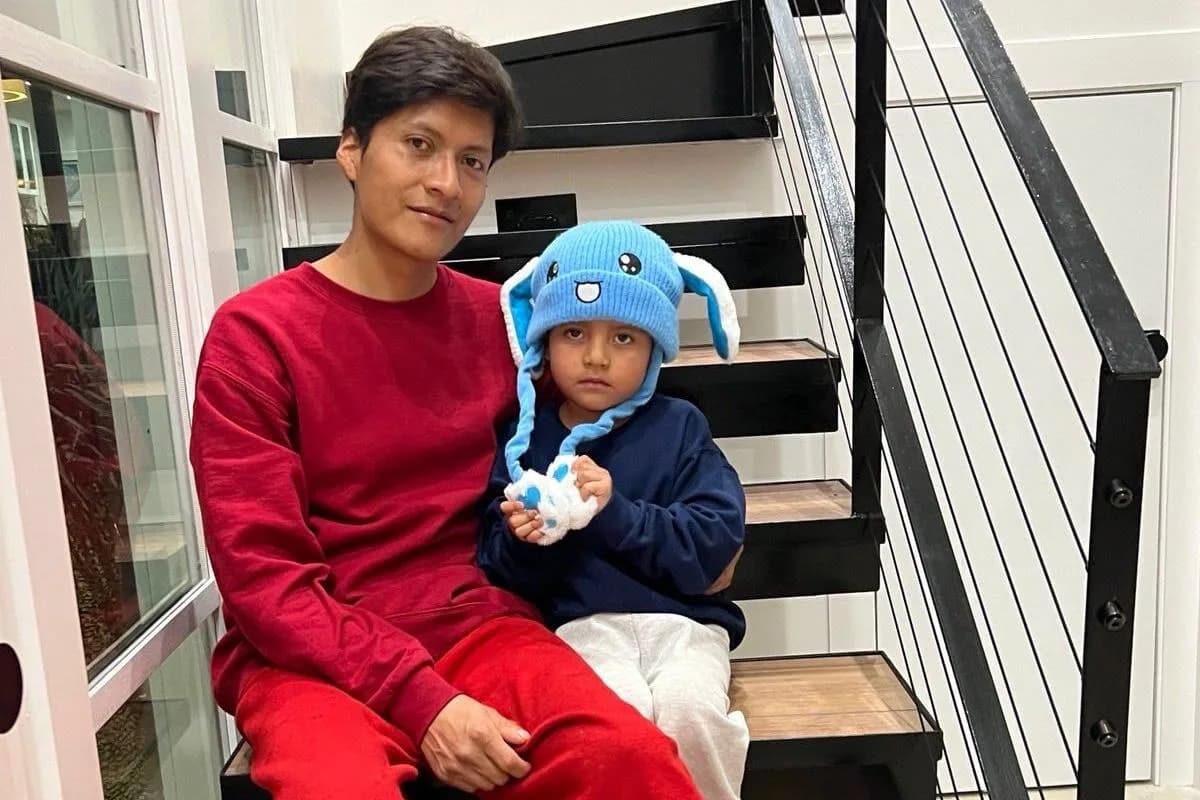
Three-year-old Oliver Chu, born with mucopolysaccharidosis type II (MPS II or Hunter syndrome), traveled from California to the U.K. to receive an experimental stem-cell gene therapy and has shown improvements that exceed clinicians' expectations.
What is Hunter syndrome?
Hunter syndrome is a rare inherited disorder in which the body cannot break down specific sugar molecules. These substances accumulate in organs and tissues and can cause stiff joints, coarsening facial features, hearing loss, slowed growth, breathing and heart problems, and progressive cognitive decline. In severe cases, life expectancy is markedly reduced.
The experimental treatment
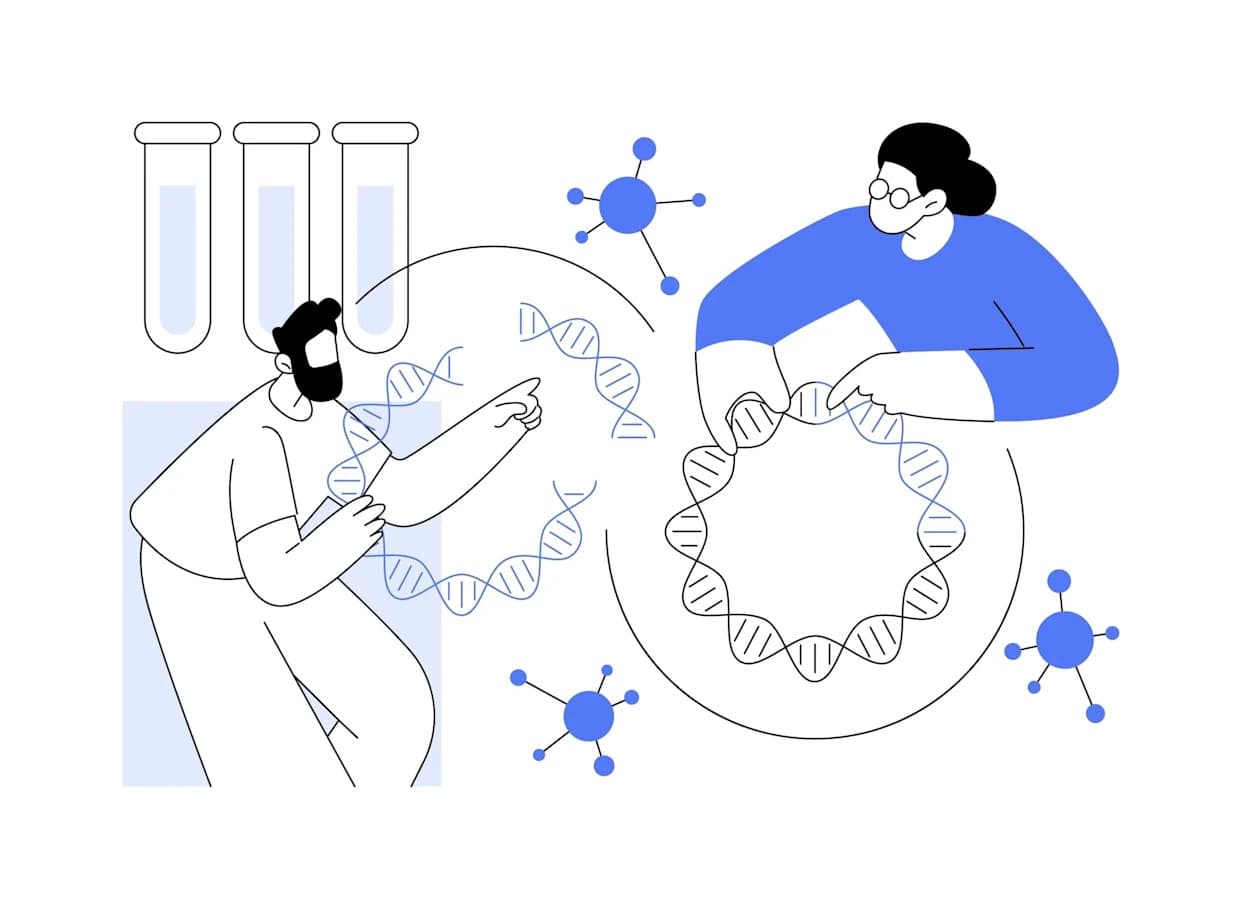
Oliver's treatment involved harvesting his own stem cells and sending them to a laboratory in London for genetic modification. Researchers used viral delivery methods to insert a working copy of the faulty gene into each stem cell. Those corrected cells were then returned and re-infused, with the aim that they would repopulate the bone marrow, produce new white blood cells and restore the missing enzyme.
Oliver received the genetically modified stem-cell infusion in February 2025 and was the first of five boys worldwide to undergo this specific protocol. Medical teams overseeing the trial report that his physical and cognitive development have improved markedly during follow-up assessments.
Family impact and responses
Oliver and his older brother Skyler were both diagnosed with Hunter syndrome. Because of Skyler’s age he was not eligible for the Manchester trial and is enrolled in a separate study in the United States, a situation that has required difficult family logistics but offered Oliver access to this novel therapy.
“We have seen dramatic improvements, and he continues to grow physically and cognitively. Our hope is that he will make his own enzymes and live a normal life without infusions,” said Ricky Chu. His wife Jingru described the family as “forever grateful.”
What this means going forward
Researchers involved in the trial described Oliver’s response as unusually positive and called the progress encouraging. While this single case represents an important milestone, clinicians caution that long-term outcomes and broader safety and efficacy must be established through continued follow-up and additional participants. If results are confirmed, the approach could expand treatment options for children with Hunter syndrome and related disorders.
Note: The treatment remains part of a clinical research program under careful monitoring; families considering trial participation should consult genetic and clinical specialists to understand eligibility, risks and potential benefits.
Help us improve.