Ukraine says it struck the Taganrog aviation complex in Rostov overnight, destroying one of Russia’s prototype A‑60 laser aircraft and igniting industrial and residential buildings, with regional officials reporting three fatalities. Kyiv said coordinated UAVs and Neptune missiles hit strategic targets inside Russia, including oil facilities. In response, Russia launched heavy strikes across Ukrainian regions that killed six in Kyiv and caused widespread power outages. The incidents came as US and Russian delegations met in Abu Dhabi to discuss a proposed 28‑point settlement.
Ukraine Destroys Russian A‑60 Experimental Laser Aircraft in Taganrog Strike

Ukraine says it destroyed one of Russia’s two known A‑60 experimental laser aircraft in an overnight strike that rocked the Taganrog aviation complex in Rostov region. Video circulating from the scene shows the Ilyushin‑based aircraft engulfed in flames after explosions tore through the military‑industrial site.
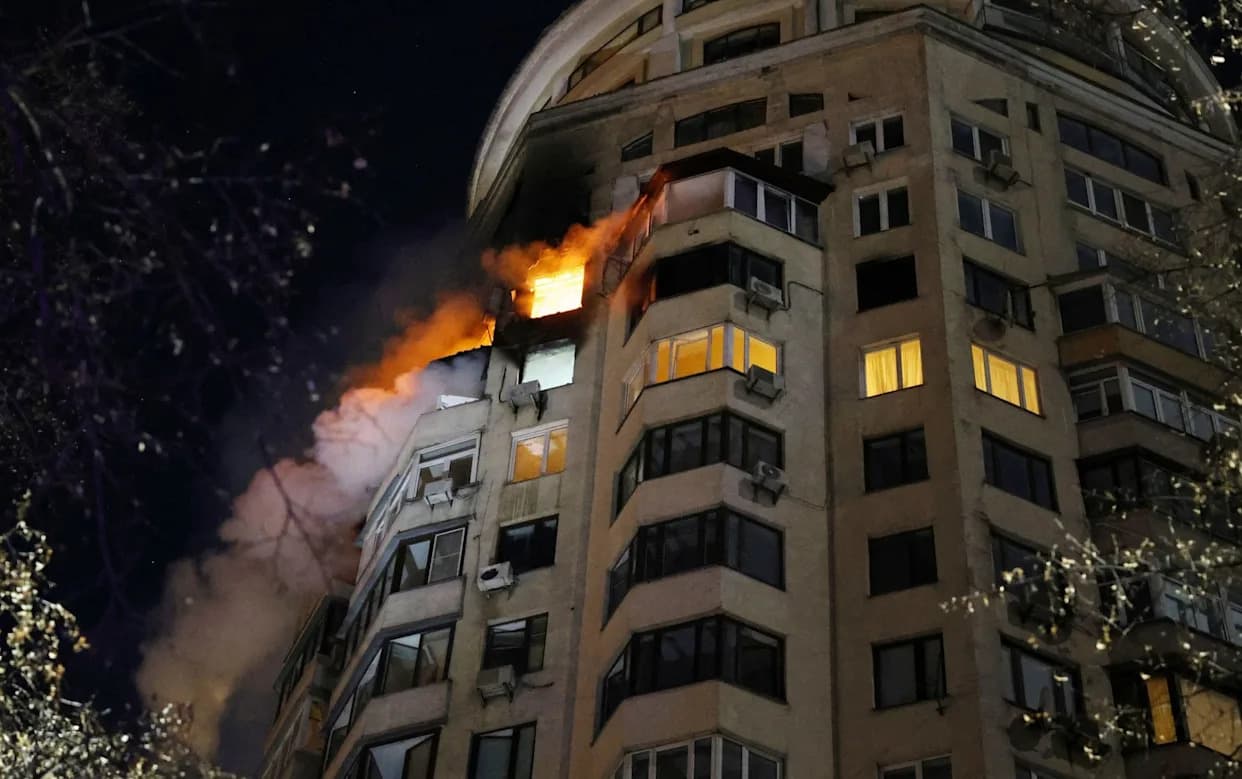
Regional officials reported three fatalities and said industrial buildings, warehouses and nearby apartment blocks were also struck. The Taganrog complex houses the Beriev Aviation Scientific and Technical Complex and the Taganrog‑Yuzhny airfield, Russia’s principal testing centre for special‑purpose aircraft.
Details of the A‑60
The A‑60 traces its roots to Soviet‑era trials of megawatt‑class airborne lasers intended for space deployment. Built on an Ilyushin Il‑76MD transport platform, the prototype features a distinctive nose radome and a retractable turret in the rear fuselage that reportedly housed the laser. Two 2.1‑megawatt generators positioned near the landing gear were said to power the system.
Technical descriptions indicate the airborne laser was designed to engage targets at ranges of roughly 25 miles with firing sequences of about 50 seconds. Multiple test flights were reported, with the system tested against balloons and a target aircraft. Sources say the prototype had been based at Taganrog for around 20 years and is believed to be one of only two airframes of its kind.
Wider strikes and fallout
Local reports indicated the attack also ignited a hangar used to upgrade strategic bombers to carry additional Kh‑101 cruise missiles. Some channels suggested the operation may have targeted a unit associated with S‑400 air‑defence systems.
Authorities in the Black Sea port of Novorossiysk said six people were injured and about 20 homes damaged after a separate drone onslaught. Ukraine’s General Staff said multiple units coordinated strikes on “strategic objects” inside Russia using unmanned aerial vehicles (UAVs) and Neptune cruise missiles, and added that the Tuapse oil refinery and the Sheskharis oil terminal were hit.
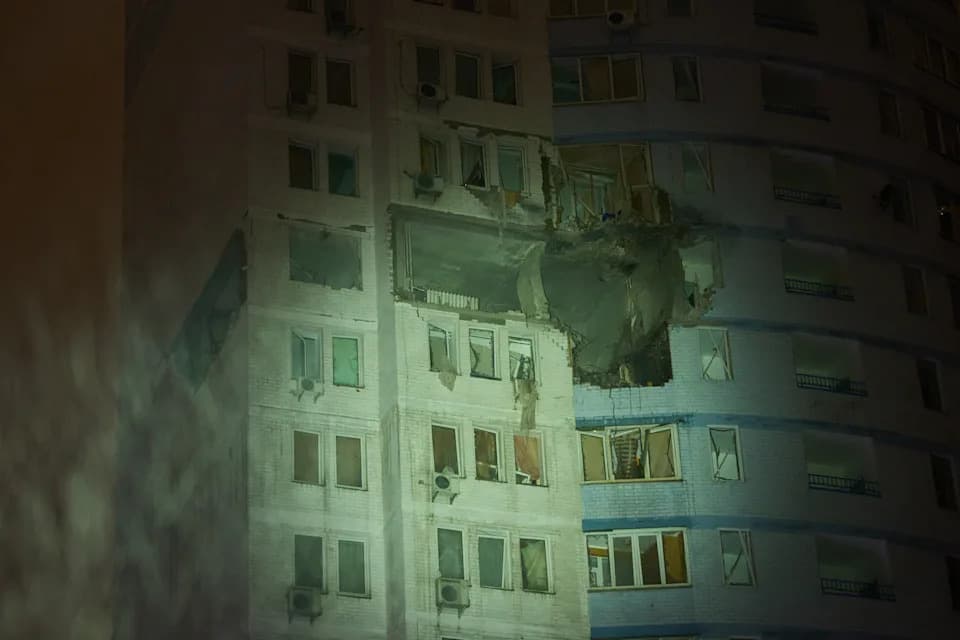
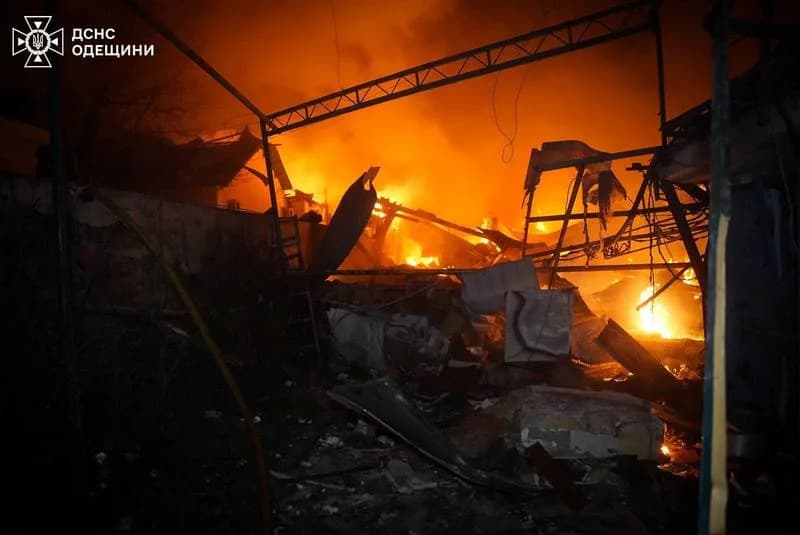
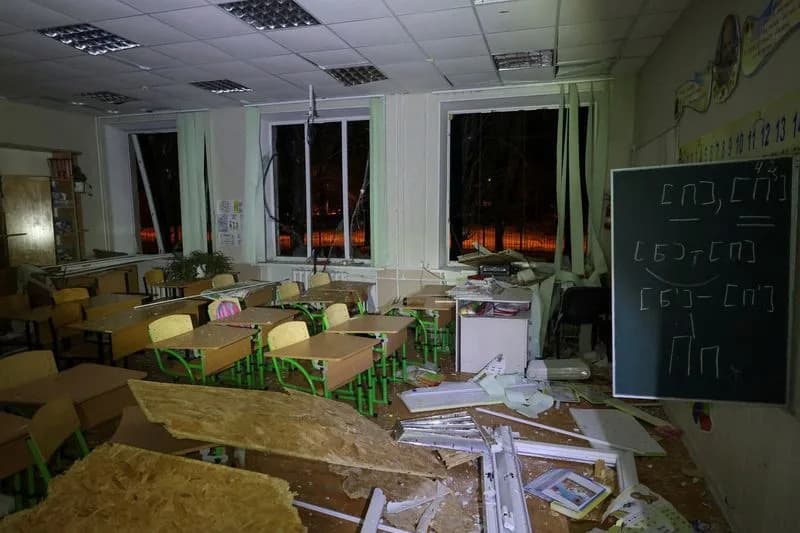
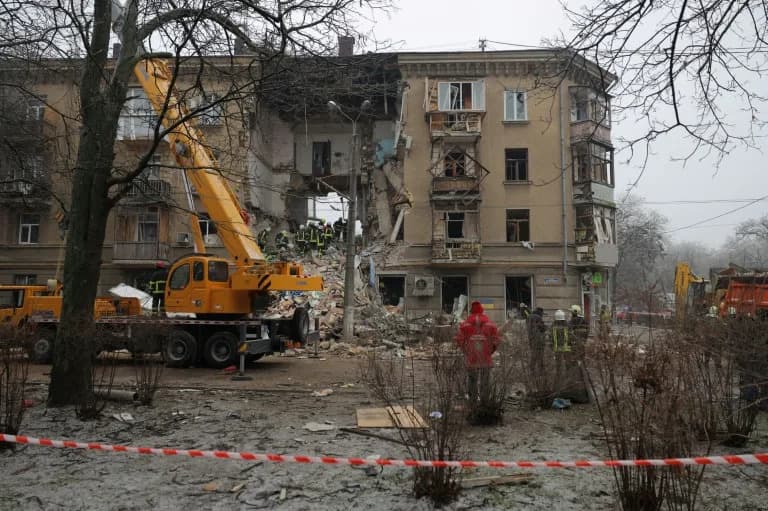
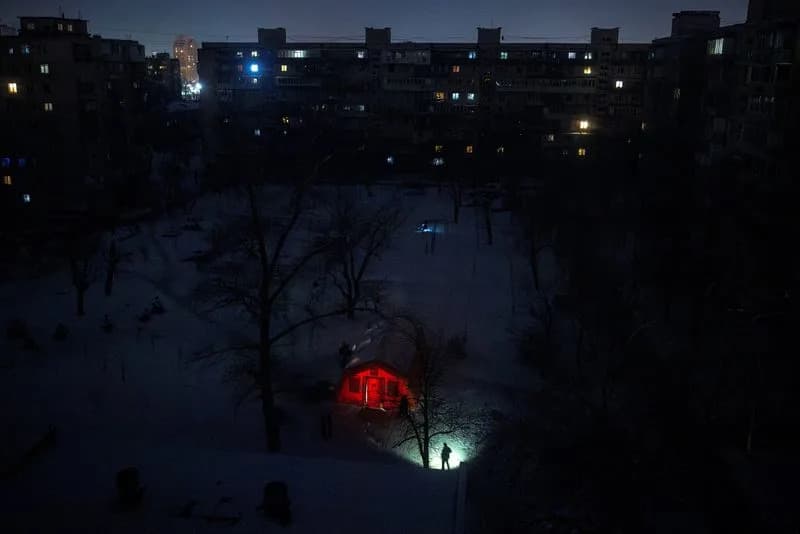
Meanwhile, Ukrainian officials reported that Russia launched a "massive combined attack" on energy infrastructure and residential buildings across Kyiv, Odesa, Chernihiv, Dnipropetrovsk and Kharkiv regions using Shahed drones and Kinzhal missiles. Moscow’s strikes in Kyiv killed six people, injured 14 and left tens of thousands without power, including roughly 40,000 in the Kyiv region.
Russian UAVs were also reported to have violated Moldovan and Romanian airspace; Romania said it scrambled two Eurofighters and two F‑16s in response. The exchanges occurred as delegations from the United States and Russia met in Abu Dhabi for talks aimed at advancing a proposed 28‑point settlement draft attributed to Steve Witkoff and Kirill Dmitriev.
Claims about damage, casualties and the destruction of the A‑60 are based on official and local reports and video circulating online; independent verification is not available at this time.
Help us improve.