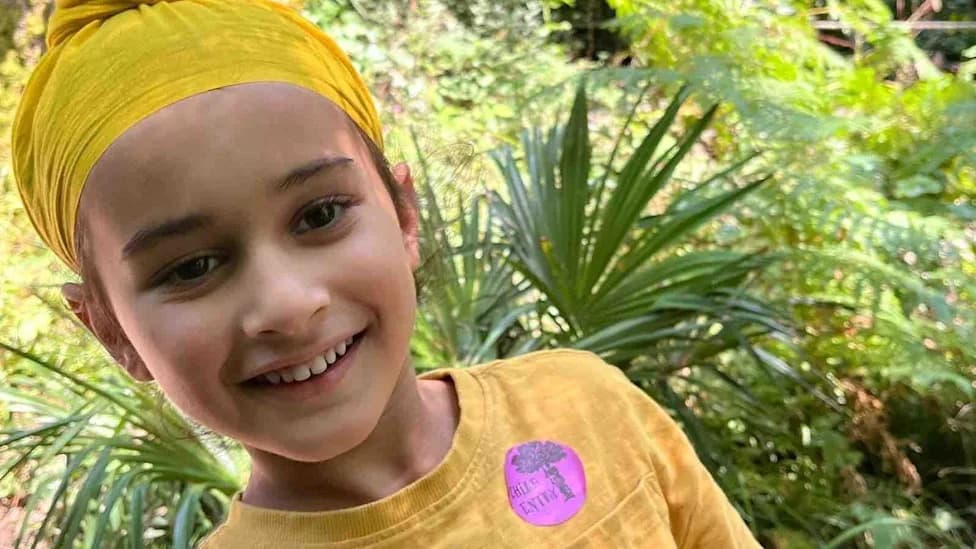
A three-year-old California boy, Oliver Chu, is the first person in the world to receive an experimental gene therapy for Hunter syndrome (MPS II). Researchers modified his stem cells to carry a working IDS gene and infused them to repopulate his bone marrow; follow-up tests show he is now producing the missing enzyme. Oliver, one of five boys in the trial, is showing gains in speech, mobility and engagement and will be monitored for two years while researchers assess safety and effectiveness.
3-Year-Old Becomes World’s First Patient to Receive Gene Therapy for Hunter Syndrome

A three-year-old boy from California, Oliver Chu, is the first person worldwide to receive an experimental gene therapy designed to treat Hunter syndrome (mucopolysaccharidosis type II, MPS II). Early results show the therapy is producing the missing enzyme and Oliver is showing measurable gains in speech, mobility and engagement.
About Hunter syndrome
Hunter syndrome is a rare, X-linked condition that almost exclusively affects boys, occurring in roughly 1 in 100,000 male births. A genetic fault prevents cells from producing iduronate-2-sulfatase (IDS), an enzyme required to break down certain large sugar molecules. When these molecules accumulate, they cause progressive damage to organs, tissues and the brain. In the most severe cases, children typically begin to lose basic functioning between ages 6 and 8 and often do not survive beyond their late teens or early 20s.
The experimental treatment
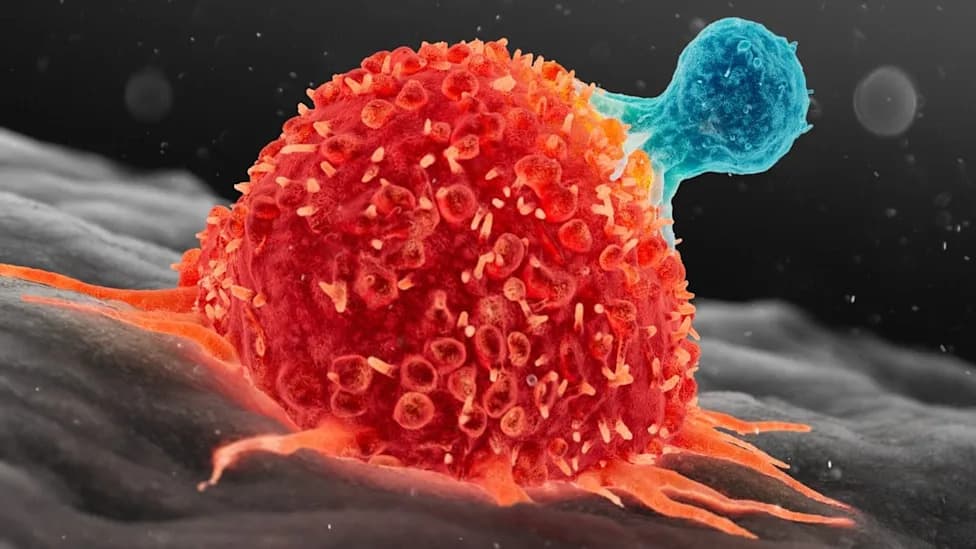
The treatment began last December when clinicians collected stem cells from Oliver’s blood. Scientists used a harmless viral vector to insert a working copy of the IDS gene into those stem cells. The modified cells were infused back into Oliver in February with the aim of repopulating his bone marrow so new white blood cells could produce the missing enzyme and circulate it throughout his body.
“Every time we talk about it, I want to cry because it’s just so amazing,” said his mother, Jingru Chu.
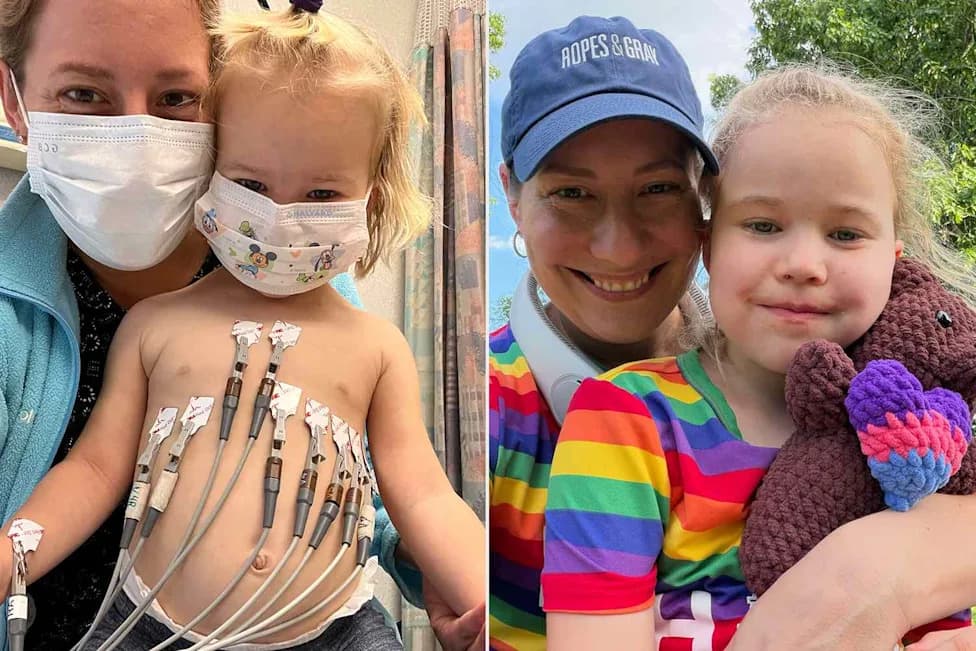
Follow-up testing in May showed Oliver was producing the IDS enzyme. Parents report he has become more verbal, more physically active and more engaged with other children. “He’s doing really well. We have seen him progressing in his speech and mobility. In just three months, he has matured,” said his father, Ricky.
Expert perspective and next steps
Dr. Karen Buckland, a lead scientist involved in the program, explained that the viral vector is used as a delivery system to insert a working copy of the faulty gene into stem cells so those cells can begin producing the missing enzyme once transplanted back into the child. Simon Jones, co-leader of the trial, noted that Oliver went from producing no enzyme to producing many times the normal amount and highlighted the visible improvements in learning and movement.
Oliver is one of five boys worldwide enrolled in this early-phase trial. All participants will be monitored closely for two years to track long-term safety and effectiveness. If results remain positive, the research team hopes to partner with a biotechnology firm to license and scale the therapy.
Context: current standard of care
Until now, the main medical option for Hunter syndrome has been enzyme replacement therapy (Elaprase), which can slow physical decline but cannot cross the blood-brain barrier and therefore does not prevent cognitive deterioration. Enzyme replacement is also costly and requires lifelong infusions.
Researchers caution that these results are preliminary and more data are needed. “We need to be careful and not get carried away in the excitement of all this, but things are as good as they could be at this point in time,” said Simon Jones.
Help us improve.