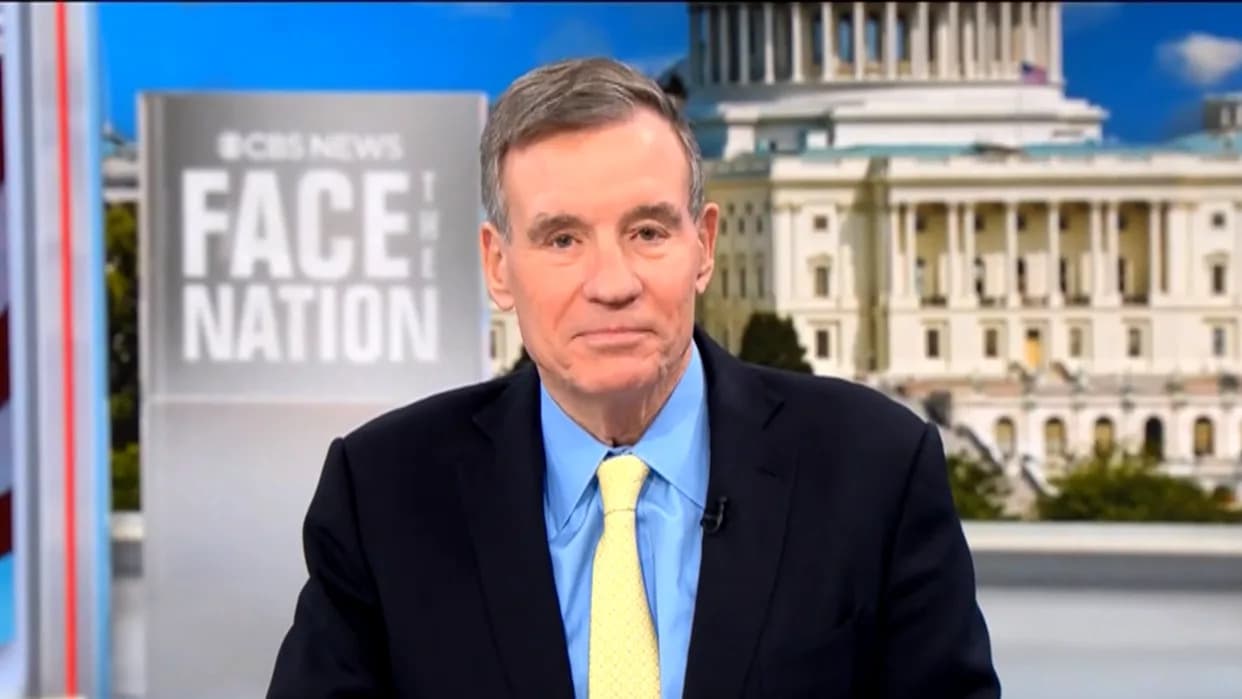
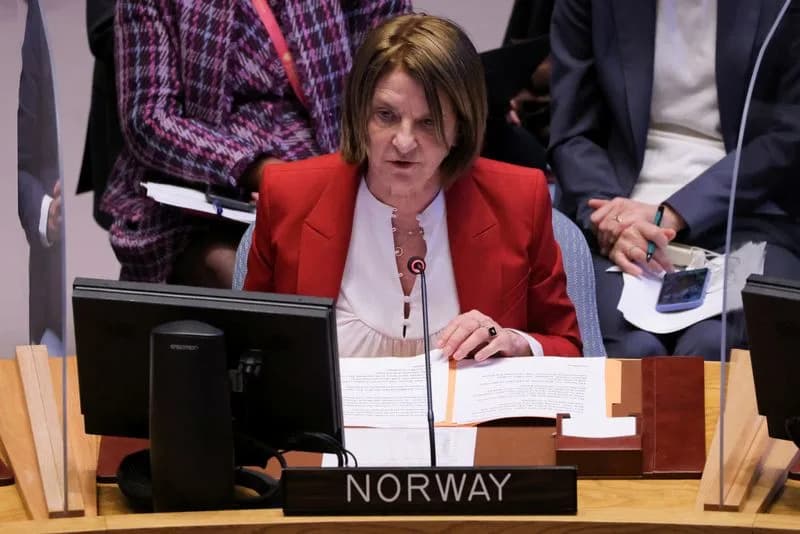
COP30 in Belém concluded with nations agreeing to seek at least $1.3 trillion a year by 2035 to support climate action in developing countries and to triple financing for adaptation. The decision emphasizes strengthening infrastructure, early warning systems and nature-based measures to cope with worsening extreme weather. The U.S. was absent from the talks, and critics — including Al Gore — said the agreement fell short because it did not include a roadmap to phase out fossil fuels. U.N. climate chief Simon Stiell praised the unity of 194 countries despite political headwinds.
COP30: Nations Pledge to Mobilize $1.3 Trillion a Year by 2035 — Call to Triple Adaptation Finance
Delegates at COP30 in Belém, Brazil, agreed to step up financial support for climate action, announcing a plan to seek at least $1.3 trillion per year by 2035 to help developing countries respond to the impacts of climate change.
A formal decision issued at the close of the summit calls for increased investment in both mitigation and adaptation. It specifically urges efforts to triple finance for adaptation so vulnerable countries can strengthen infrastructure, protect communities and reduce risks from more frequent and intense storms, floods and other climate extremes.
Practical adaptation measures highlighted in the text include upgrading buildings and critical infrastructure to be more resilient, improving early warning systems, and investing in nature-based solutions that reduce risk while supporting livelihoods.
Notably, the United States did not participate in the talks. The decision and the summit unfolded against a backdrop of geopolitical tension over climate policy: President Trump has moved to withdraw the U.S. from the Paris Agreement, and critics say U.S. positions at other recent international environmental meetings have undermined cooperative efforts to curb emissions and pollution.
“This year there has been a lot of attention on one country stepping back,” U.N. Climate Change executive secretary Simon Stiell said in prepared remarks. “But amid the gale-force political headwinds, 194 countries stood firm in solidarity — rock-solid in support of climate cooperation.”
Some observers argued the COP30 outcome did not go far enough. Former Vice President Al Gore posted on X that delegates failed to adopt a roadmap to phase out fossil fuels — a step he called essential to meaningfully limit global warming.
“Petrostates and their political allies are doing everything they can to try to stop the world from making progress on solving the climate crisis,” Gore wrote. “They fiercely opposed what would have been the most important step forward at COP30: the development of a roadmap away from fossil fuels, wanting nothing more than for the world to kick the oil can down the road.”
Gore added that while diplomatic language can be blocked, real-world action is advancing through cities, companies and subnational actors that are deploying clean energy solutions that create jobs, bolster economies and reduce health harms from fossil-fuel pollution.
Looking ahead, negotiators and advocates will focus on how to turn the financing targets into concrete commitments and channels that reach vulnerable countries, and how to accelerate the transition away from fossil fuels amid political resistance.
Help us improve.