Key points: Lawyers and rights advocates warn that Mustafa Serkan Sabanca’s likely election as Interpol president could politicise the organisation and erode trust in the red-notice system. A classified memo allegedly shows advice to reframe politically charged allegations as ordinary crimes in an effort to secure international notices. Interpol’s 196 members will vote during the General Assembly in Marrakech, a decision critics say will test the organisation’s commitment to neutrality.
Interpol at a Crossroads: Lawyers Warn Turkish Nominee Could Undermine Red-Notice System

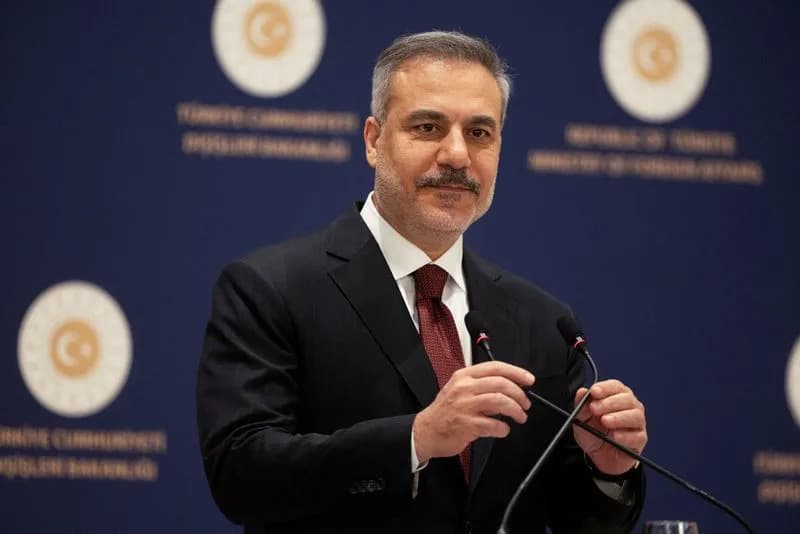
Lawyers and rights advocates say the likely election of Mustafa Serkan Sabanca as Interpol president would severely damage the organisation’s neutrality, amid allegations he advised Turkish authorities to mask politically motivated red-notice requests.
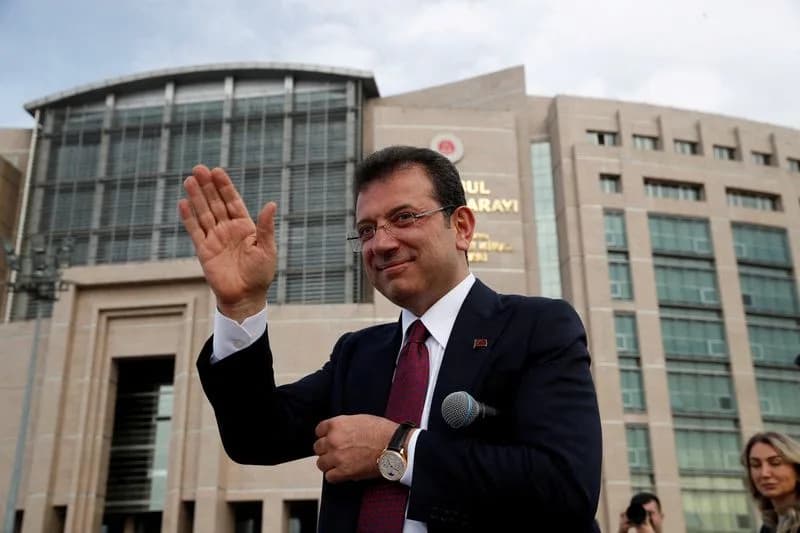
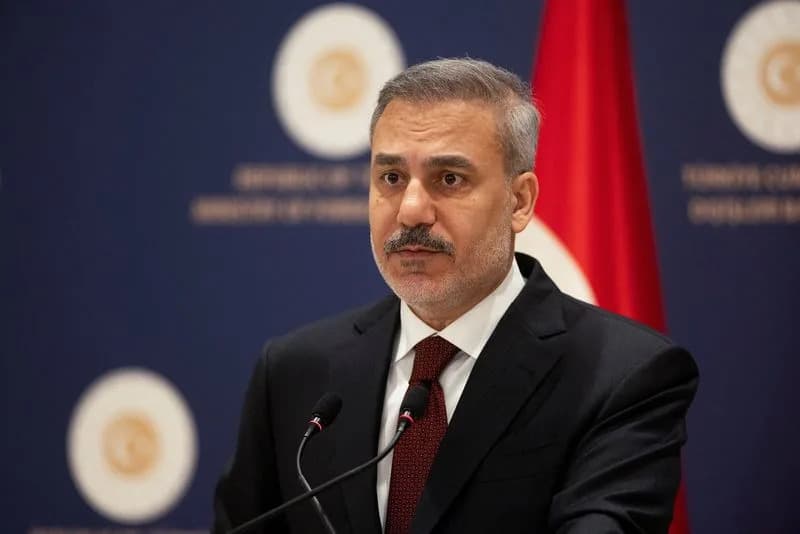
Mr Sabanca, who heads Turkey’s Interpol bureau and leads its Interpol–Europol coordination unit, has emerged as a frontrunner in the contest for the largely ceremonial presidency. His candidacy has renewed fears that Ankara could exploit the role to whitewash a record of pursuing critics and dissidents overseas.
Red notices and the risk of politicisation
Interpol’s red notices are intended to help member states locate and arrest high-profile suspects, including traffickers, drug traffickers and terrorists. Critics contend, however, that some governments have abused the system to pursue political opponents abroad by reframing politically motivated accusations as ordinary criminal charges.
Since the failed coup attempt in 2016, Turkey has submitted thousands of red-notice requests linked to the movement of the exiled cleric Fethullah Gülen, whom Ankara accuses of orchestrating the uprising. According to parliamentary human rights findings in the UK, Turkey ranks behind only Russia and China for alleged misuse of the red-notice mechanism to target political opponents.
The Osman case and the memo
A lawyer identified only as Osman — who fled Turkey in 2016, was granted asylum in Belgium and remains in hiding — says Turkish police raided his home and seized devices before he left with his family. Turkish prosecutors later charged him in absentia with offences that include embezzlement.
A classified memo obtained by reporters reportedly shows Mr Sabanca advising Turkish authorities that it would not be possible to secure a red notice against Osman based on alleged affiliation with the Gülen movement. The memo allegedly urged prosecutors to prepare a red-notice request framed as an embezzlement case rather than terrorism-related membership.
Legal experts say that advising officials to present politically charged matters as ordinary criminal offences is a recognized tactic to bypass Interpol rules and secure arrests or extraditions on misleading grounds. Turkish authorities did not ultimately file a red-notice request in Osman’s case, according to available information.
“It’s like putting the North Koreans on the UN Human Rights Council,” said a British extradition lawyer who represents Turkish dissidents, describing what he called the reputational risk to Interpol if Mr Sabanca is elected.
Voices of concern
Ben Keith, a British extradition lawyer specialising in international criminal and human rights law, described the memo as “a clear indication” that Turkish officials were being advised to disguise the true basis for an Interpol notice. He warned that such tactics seek to deceive foreign courts into issuing extradition orders on false premises.
Ted Bromund, an expert witness in US cases involving Interpol, called the nomination a “temperature test for Interpol’s members” and questioned how member states could vote for a candidate whose record, critics say, undermines the organisation’s neutrality.
Opponents argue that electing an official from a government accused of manipulating the system would erode global confidence in red notices and weaken safeguards designed to prevent politically motivated use.
Responses from Turkey and Interpol
A spokesman for the Turkish embassy in London strongly rejected allegations that Ankara abuses the notice system to target dissidents. The spokesman called the memo an example of disinformation and defended Turkish policing efforts, saying member states may request Interpol notices where criminal charges exist regardless of political views.
An Interpol spokesman reiterated the organisation’s formal commitment to neutrality under its constitution, noting Article 3, which bars notices of a predominantly political, military, religious or racial character. The organisation emphasised that it applies strict safeguards and rigorous review processes to ensure requests comply with its rules.
What’s next
Interpol’s 196 member states will vote during the organisation’s General Assembly session in Marrakech to choose one of four candidates for the presidency. Supporters of transparency and rights groups say the election will test members’ willingness to protect Interpol’s neutrality against the risk of transnational repression.
Critics warn that if the membership elects a candidate linked to practices of repackaging politically motivated accusations, it would further damage trust in one of policing’s key cross-border tools.
Help us improve.