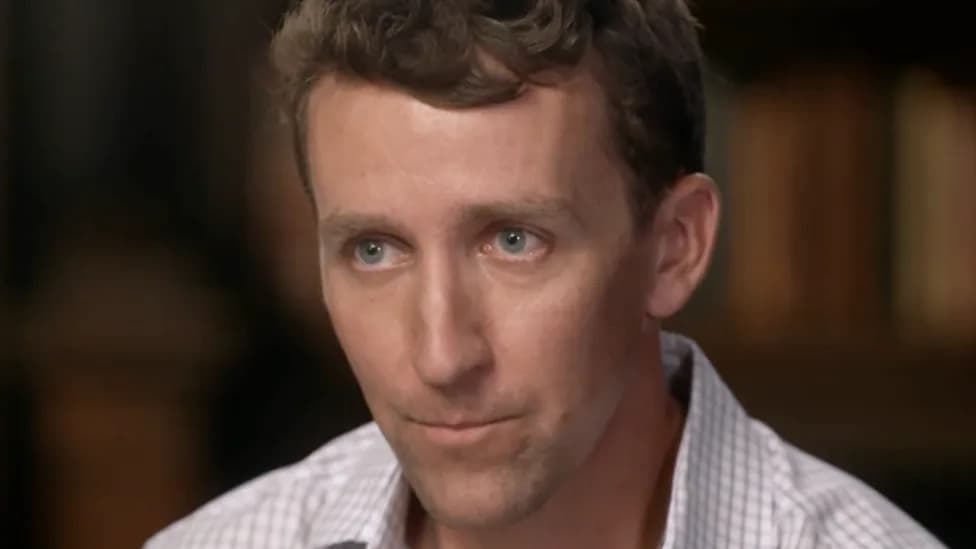
Anderson Cooper became emotional in an interview about the Netflix documentary All the Empty Rooms, which follows visits to the preserved bedrooms of eight children killed in school shootings. Cooper and correspondent Steve Hartman discuss how these untouched rooms function as lasting memorials while public attention fades. Families say they feel the burden of being the primary keepers of their child’s memory; the film examines the tension between preserving a room and attempting to rebuild life after loss.
Anderson Cooper Breaks Down While Reflecting on Families Who ‘Never Move On’ — Inside the Documentary All the Empty Rooms

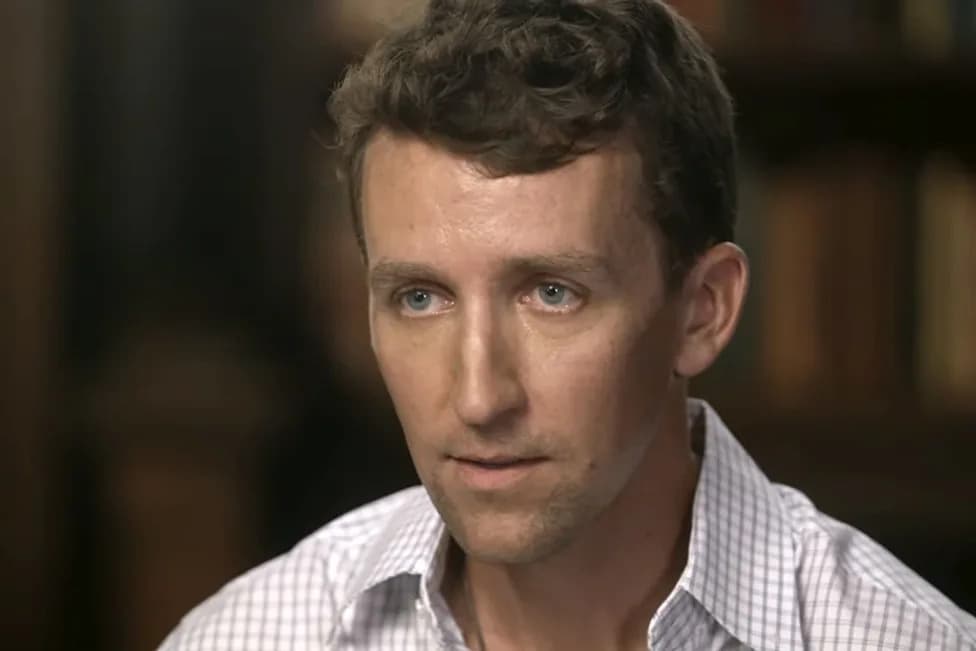
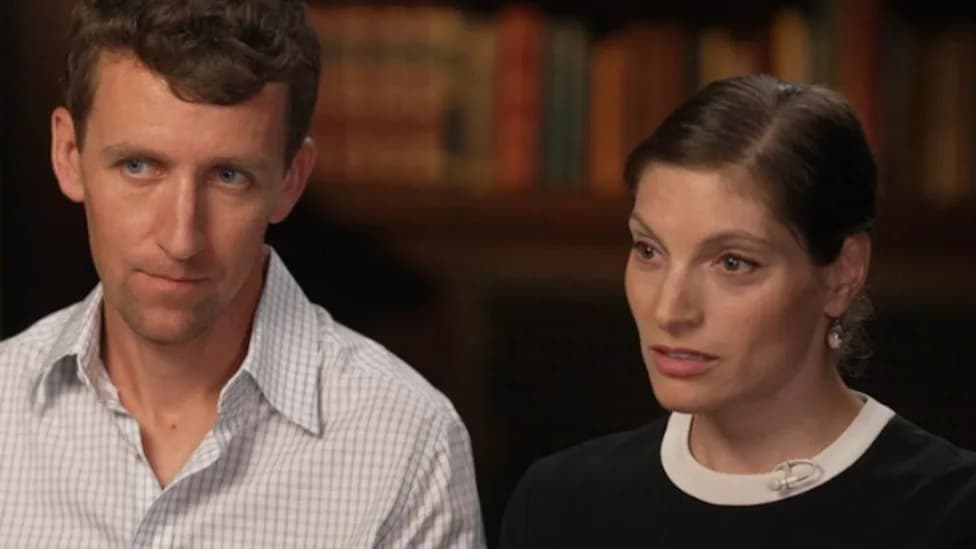
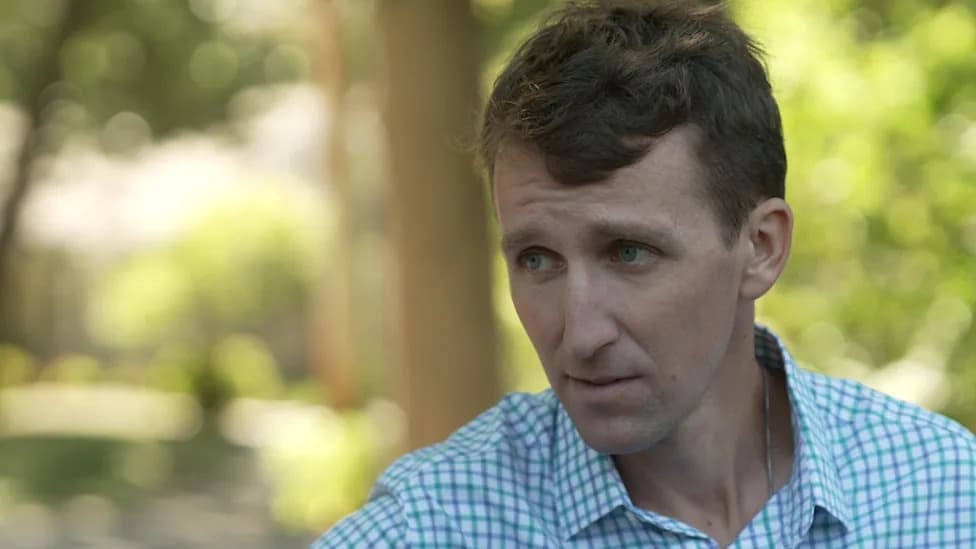
Anderson Cooper grew emotional during an interview with correspondent Steve Hartman about a long-term project that documents preserved bedrooms of children killed in school shootings. The project — captured in the forthcoming Netflix documentary All the Empty Rooms — follows Hartman and photographer Lou Boppa as they visit eight untouched rooms across the country, each a quiet memorial to a life cut short.
For the families, these rooms remain fixed places where memory is kept alive. Parents described leaving bedsheets, toys and posters exactly as they were the day their child died — deliberate choices intended to preserve not only belongings but a presence that feels otherwise lost.
"It’s such a reminder that while everybody else moves on from what is a story to them, the families never move on," Cooper said, his voice tightening as he reflected on the permanence of their grief.
Hartman said many parents agreed to participate out of frustration with how quickly public attention fades. "That’s part of the reason the families did agree—it’s very frustrating for them when the country moves on. They certainly haven’t moved on and will never move on," he said.
The weight of being the family member who safeguards a child’s memory overwhelmed Cooper during the conversation. He choked up as he tried to explain how isolating it can feel to be among the last people to keep every detail of a life alive.
"I’ve been in a lot of these rooms, and there’s such sadness in being the last ones left to remember everything about this child," Cooper said, then paused to collect himself.
Hartman observed that the preserved room becomes the final physical tether to a lost life: "You surrender the rooms and that’s just another piece of their kid that’s gone."
The documentary, due later this year, explores the difficult choices families face between preserving a room as a memorial and trying to rebuild a life after devastating loss. Rather than offering easy answers, the film centers the families’ perspectives and the lasting human consequences of gun violence.
If you or someone you know is affected by the subject matter in this story, consider reaching out to local support resources or national helplines for grief and trauma counseling.
Help us improve.