The G20 summit in South Africa ended with leaders reaffirming support for multilateralism despite deep divisions and a U.S. boycott. Attendees warned the international order is fracturing amid unilateral policies, conflicts and rising geopolitical competition. The first G20 held in Africa highlighted the growing influence of emerging economies and the Global South. Key figures urged renewed cooperation while acknowledging severe strains on global coordination.
G20 Summit in South Africa Tests Multilateralism as Global Order Frays

The G20 leaders' summit in South Africa concluded with a renewed pledge to multilateral cooperation even as attendees confronted a splintering global order marked by unilateral policies, ongoing conflicts and intensifying geopolitical rivalry.
Canadian Prime Minister Mark Carney warned that "too many countries are retreating into geopolitical blocs or the battlegrounds of protectionism," calling the moment not merely a transition but a "rupture." Leaders used the meeting — which the United States did not attend — to debate how the G20 can remain relevant amid growing fragmentation.
South African President Cyril Ramaphosa said the summit took place "at a crucial time, as calls around the world grow louder for progress on the imperatives of our time." He noted that an early joint declaration reaffirmed participants' commitment to multilateral cooperation and emphasized that shared goals should outweigh differences.
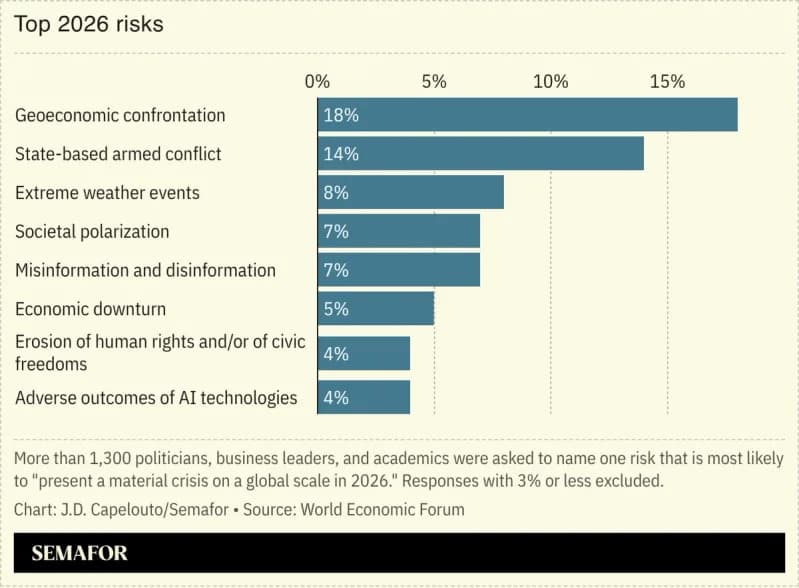
Dozens of heads of state and government from major economies — including Europe, China, India, Japan, Turkey, Brazil and Australia — attended the first-ever G20 summit held on African soil. In their communiqué, leaders acknowledged the meeting occurred "against the backdrop of rising geopolitical and geo-economic competition and instability, heightened conflicts and wars, deepening inequality, increasing global economic uncertainty and fragmentation."
Debate over the G20's future
French President Emmanuel Macron warned the forum "may be coming to the end of a cycle," arguing that, given the difficulty of reaching consensus on many international conflicts, the G20 might refocus on strategic economic priorities going forward.
The U.S. administration criticized South Africa's agenda — including proposals on trade and climate — and did not send a head of state, a decision many attendees regretted. U.S. officials have also made contentious public comments about South Africa that drew attention during the summit. The United States is scheduled to host next year's G20, with plans to hold the meeting at a Florida golf club owned by President Donald Trump.
Rising influence of the Global South
Several leaders, including Carney, Ramaphosa and Brazilian President Luiz Inácio Lula da Silva, said emerging economies and countries of the Global South are playing an increasingly central role in the forum. Lula argued that recent international gatherings, including climate talks, demonstrated that multilateralism remains active and necessary.
"If anyone thought they could weaken multilateralism, these events demonstrate it is more alive than ever," Lula said, while also criticizing unilateral approaches to global problems.
German Chancellor Friedrich Merz said the U.S. absence was "not a good decision" but observed that the summit showed the world is reorganizing and forging "new connections" among nations.
As the G20 navigates competing priorities and geopolitical tensions, leaders departed with a pragmatic sense that cooperation remains essential for economic stability and solving cross-border challenges — even if the rules and leadership of the international order are being renegotiated.
Help us improve.