Illegal gold mining in the Amazon has become tightly entwined with coca cultivation, offering criminal groups a more opaque way to launder drug proceeds and build cross‑border empires. Peru saw more than 800 tonnes of cocaine produced last year, while officials estimate the illegal gold economy there may be several times larger than the cocaine trade. Armed gangs, dissident guerrillas and transnational syndicates now control production, trafficking and mining operations across multiple Amazonian states, worsening violence, corruption and environmental destruction.
Gold Over Cocaine: How Illegal Mining Is Fueling Narco‑Power Across the Amazon

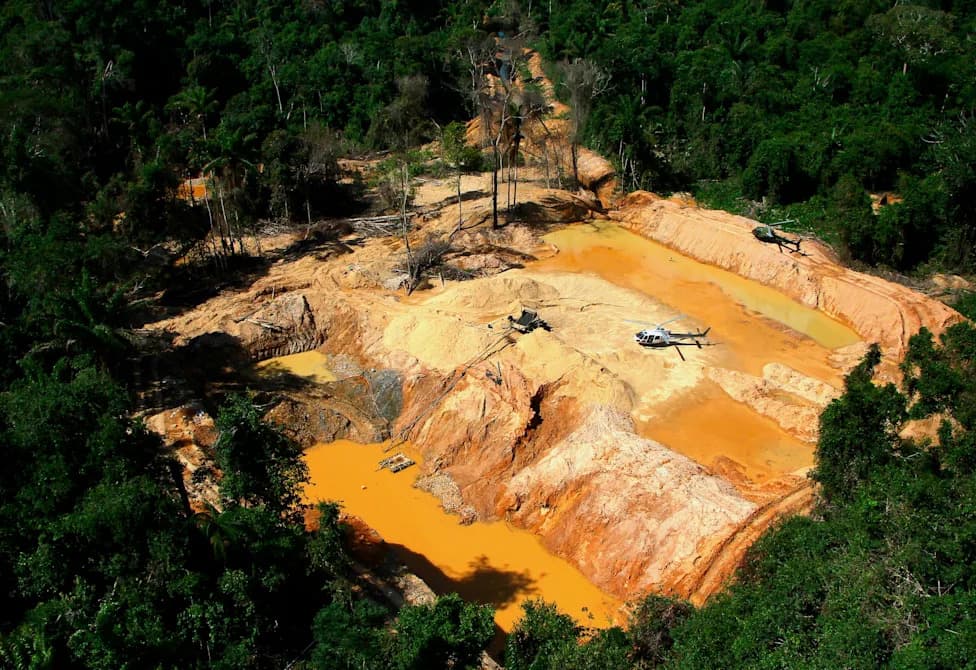
Illegal gold mining across the Amazon is rapidly overtaking cocaine as a preferred asset for criminal networks — not because drugs are less profitable, but because refined gold is easier to move, launder and conceal. In Peru and neighboring countries, the fusion of coca cultivation and illicit mining is creating a new, highly damaging economy that enriches gangs, corrupt officials and transnational syndicates while devastating forests, rivers and local communities.
Key statistics and dynamics
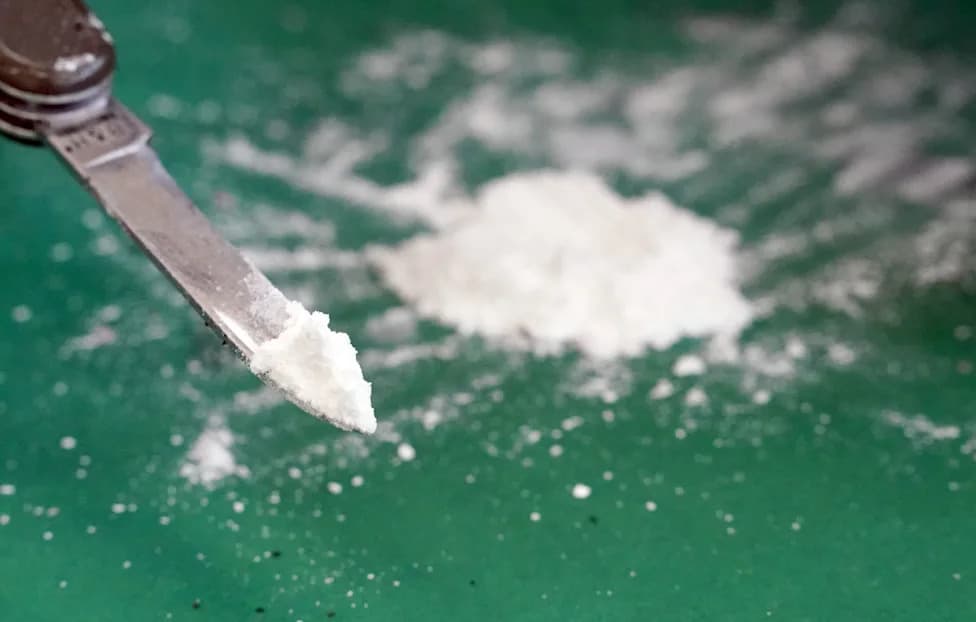
Authorities and researchers report troubling trends: Peru produced more than 800 tonnes of cocaine last year, and Peru’s illegal gold economy has been estimated — by the country’s then foreign minister, Elmer Schialer — to be roughly seven times the size of its cocaine trade. Investigative groups have documented 128 clandestine airstrips cut into the jungle across six Peruvian regions, often ringed by coca fields and mining operations.
Why gold is attractive to criminal groups
Cocaine is illegal at every stage, from cultivation through distribution and sale. Illegally mined gold, by contrast, can be refined and mixed with legitimate metal so its origins become effectively untraceable. As Dan Collyns, an organised‑crime researcher and author of the forthcoming Blood Gold, explains: “Criminal organisations have found that illegal gold mining is a safer and more lucrative asset in which they can invest money from drug trafficking, and, in turn, launder the assets more easily.”
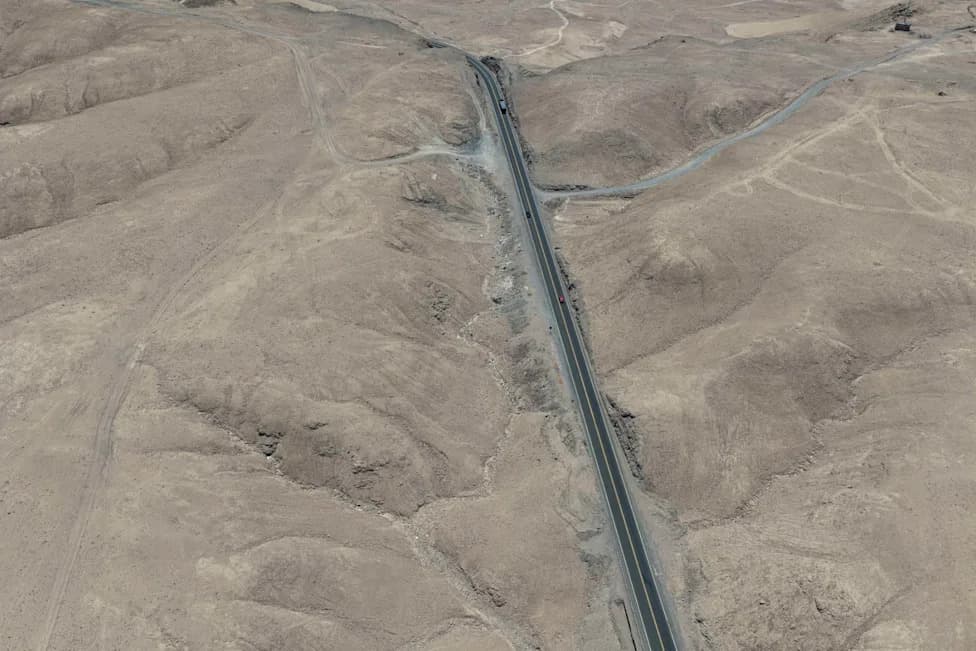
Gangs repurpose the same logistics — clandestine airstrips, river routes, diesel and heavy equipment supply chains — to extract value from whatever resources are available: gold, coca and timber.
Organised crime, borders and armed groups
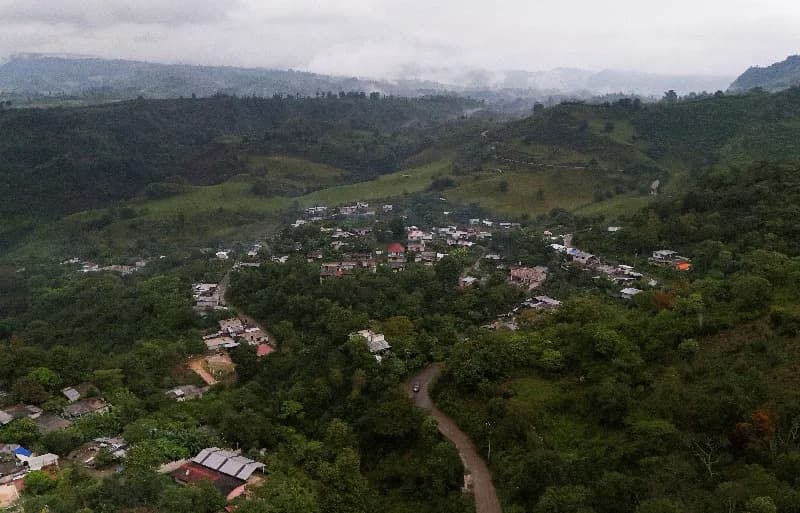
Across the Amazon basin, criminal networks and armed factions are establishing cross‑border operations. In Peru’s Ucayali region, coca cultivation has expanded from mountain areas into lowland rainforest. Along Peru’s Amazon border with Colombia, dissident FARC factions control production and distribution; along the longer border with Brazil, the Brazilian gang Comando Vermelho (Red Command) has entrenched itself, managing coca fields in Ucayali and mining and so‑called “security” operations in Madre de Dios, according to investigative journalist Pamela Huerta.
Further east, Crisis Group reports extensive illegal mining in Venezuela’s Amazonas and Bolívar regions, estimating that Venezuela hosts over 30% of illegal mining sites in the Amazon basin. In some areas, armed forces personnel and local elites have profited directly by taking control of pits, while Colombian and Venezuelan syndicates operate jointly and have expanded into neighboring Guyana.
Local impacts: violence, environment and governance
Groups such as Guardianes de la Trocha in Peru run protection rackets at illegal mines and have been accused of grave human rights abuses; prosecutors suspect mass graves could contain more than 100 victims linked to the group. Eradication campaigns — Peru’s interior ministry reports roughly 27,000 hectares of coca eradicated in the first nine months of the year — are sporadic and can have perverse effects, pushing cultivation deeper into primary forest and accelerating deforestation, pollution and biodiversity loss.
“Deforestation in the Peruvian Amazon, the poisoning of rivers, and the loss of wild flora and fauna, in addition to the impact on communities that have lived ancestrally in these territories, are irreversible,” says Pamela Huerta.
Political instability and corruption compound enforcement problems. Peru has cycled through more than a dozen interior ministers in five years, and reports from the UN Office on Drugs and Crime indicate that illegal logging and mining are often enabled by corrupt licensing and permissive local political networks. Some illicit proceeds are reportedly finding their way into politics ahead of upcoming elections.
What this means regionally
The convergence of narcotics and gold economies is creating resilient criminal systems across the Amazon that are difficult to dismantle. Smuggling routes and money‑laundering channels link remote mining pits to urban markets and international buyers, while armed groups and syndicates exploit weak governance to entrench control. Tackling the problem will require coordinated cross‑border law enforcement, sustained political commitment, and interventions that address environmental destruction and the economic needs of vulnerable communities.
Sources: Reporting and analysis from Dan Collyns; Ricardo Soberon; Pamela Huerta; Ruben Vargas; and Crisis Group.
Help us improve.