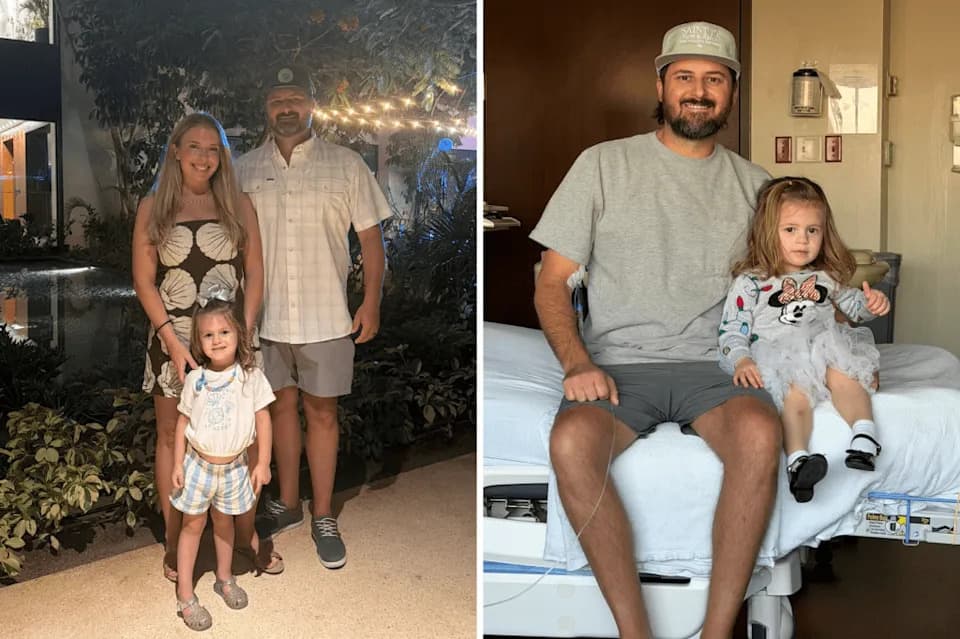
Donald "Frue" McAvoy, a 36-year-old gym owner, suffered a severe stroke in December 2023 caused by a vertebral artery dissection. After emergency clot removal and weeks in intensive care, he underwent intensive rehabilitation and set a goal to hug his fiancée on Christmas, which helped drive his recovery. Nearly two years later he still faces vision and mobility challenges but continues adaptive therapy, remains active in athletics, and shares his progress online.
Gym Owner, 36, Rebuilds Life After Devastating Stroke — Reaches New Milestones

Donald "Frue" McAvoy and his fiancée, Rachel Leaptrott, were spending a quiet Sunday in early December 2023 assembling a cheese board and settling in to watch a football game when McAvoy began to choke after one bite. He suddenly could not swallow or breathe, and his pupils were fixed.
Emergency diagnosis and treatment
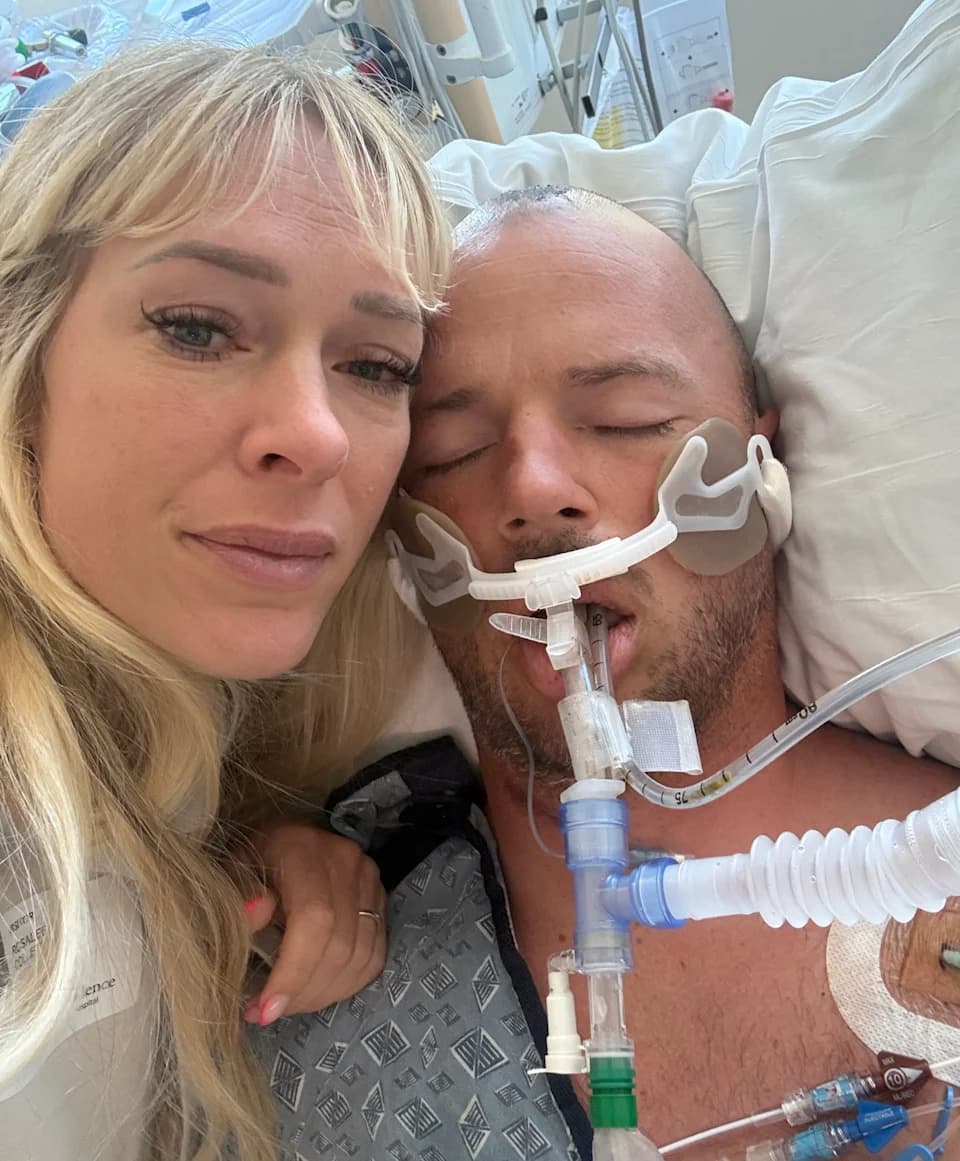
Paramedics recognized neurological signs and rushed McAvoy to the Mayo Clinic in Jacksonville, Florida. Doctors diagnosed a severe stroke caused by a vertebral artery dissection. He received clot-busting medication and underwent a thrombectomy to remove the clot. Surgeons determined the dissection had disrupted blood flow to parts of his brain and spine; his airway had collapsed, which explained the choking.
"It's like trying to remember a dream. That's the best way I can describe it," McAvoy said. "I remember bits and pieces. I get chills, because I couldn't see and that was extremely scary. But the scariest thing I ever felt, I didn't know if I'd ever see again."
Intensive care and early rehabilitation
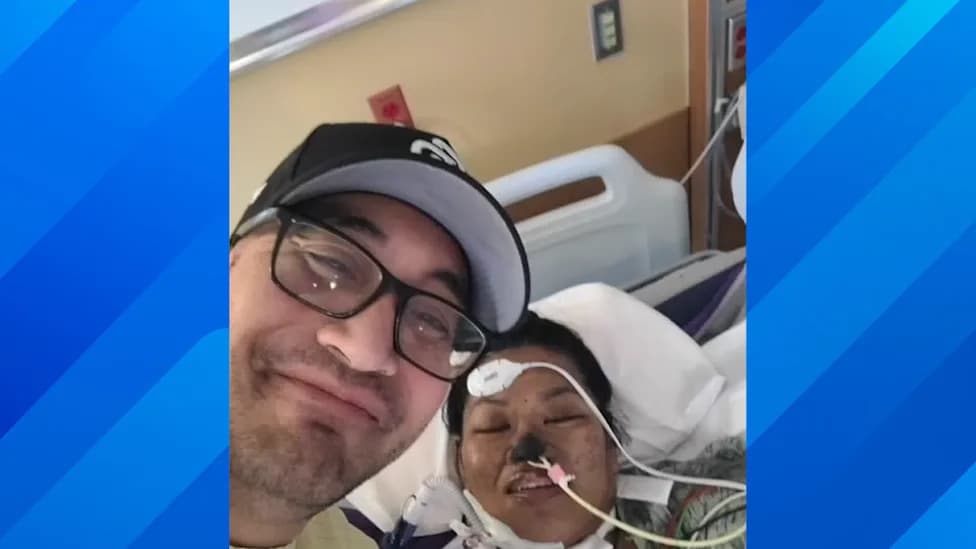
McAvoy spent seven days on a ventilator followed by breathing and feeding tubes so therapy could begin. Medical evaluations showed that most of his motor functions were affected: he had to relearn how to stand, walk, write and speak. An MRI showed widespread areas of injury, described by his fiancée as looking like "fireworks." He also developed complications including two pulmonary embolisms.
Leaptrott held to a single wish — a hug on Christmas Day — and that goal became a powerful motivator. Determined to meet it, McAvoy pushed through grueling therapy sessions. After 24 days at the Mayo Clinic he was transferred to Brooks Rehabilitation Hospital, where he entered a tailored program nicknamed "Brooks Boot Camp" that provided at least three hours a day of combined therapy from nurses, physical and occupational therapists, and physicians.
Progress, setbacks and community
Early therapy goals focused on stamina, dressing and basic mobility, and later progressed to food preparation, speech work and vision rehabilitation. McAvoy asked for extra therapy whenever possible and turned a fitness-focused Instagram account into a recovery log. Hundreds followed his updates, and he connected with other stroke survivors across the country.
"I just remember whatever they asked of me, I knew I had to do it to move on to the next thing," he said. "I was hooked up to every wire you can think of, but you just trust that all those wires and everything they're doing is going to lead you to better health."
Where he is now
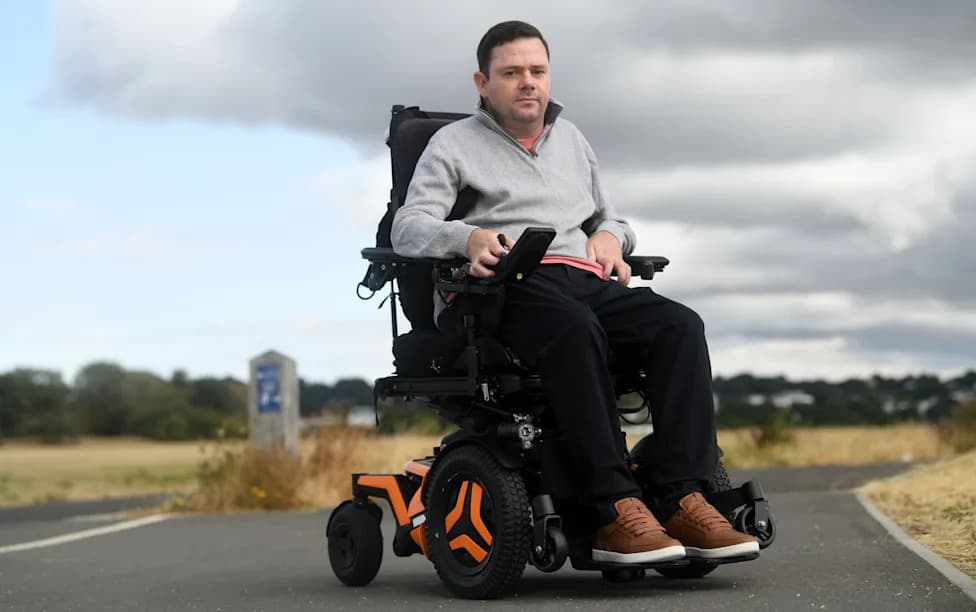
McAvoy was discharged from Brooks Rehabilitation in late January and completed three months of outpatient care. Nearly two years later he still experiences lasting effects: he uses a walker with a seat for longer distances, wears glasses because his vision and depth perception remain impaired, and he cannot drive. Despite these limitations, he returned to athletic activities — four months after the stroke he ran a one-mile challenge — and he recently crossed the Swinging Mile at Grandfather Mountain with Leaptrott.
He continues to visit Brooks Rehabilitation's Neuro Recovery Center and follows an adaptable home program designed by his therapists so he always has new milestones to pursue. He remains in contact with his care team and continues sharing his progress online.
"With everything going on, I never thought I would hear myself speak again. When you're in that quiet for so long, you really start thinking about life and what matters and what doesn't," McAvoy reflected. "If I get upset about something or frustrated or angry, I remind myself there was a point in time I couldn't even express that. I'm just incredibly, incredibly grateful for how my journey has gone."
Help us improve.