Texas secured nearly $12 billion in supplemental Medicaid payments that will go to hospitals, rural clinics, nursing homes and behavioral health providers — not to individual beneficiaries. CMS had frozen those payments on Sept. 1, creating an estimated $27 million in daily losses for hospitals until the funds were restored on Sept. 17, 2026. The money helps close the gap between Medicaid reimbursements and the true cost of care, which may keep rural ERs and long-term care beds open, but it does not solve staffing shortages or long-term financial strains. Broader federal policy changes could further pressure state Medicaid payment systems in coming years.
Nearly $12 Billion Restored to Texas Medicaid Providers — Not to Individual Benefits
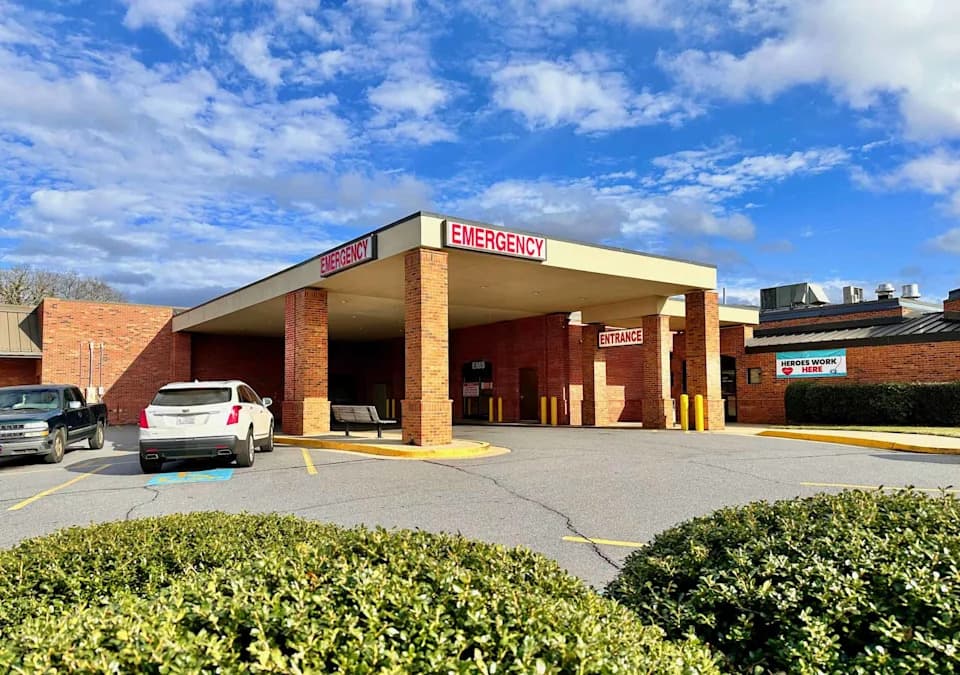
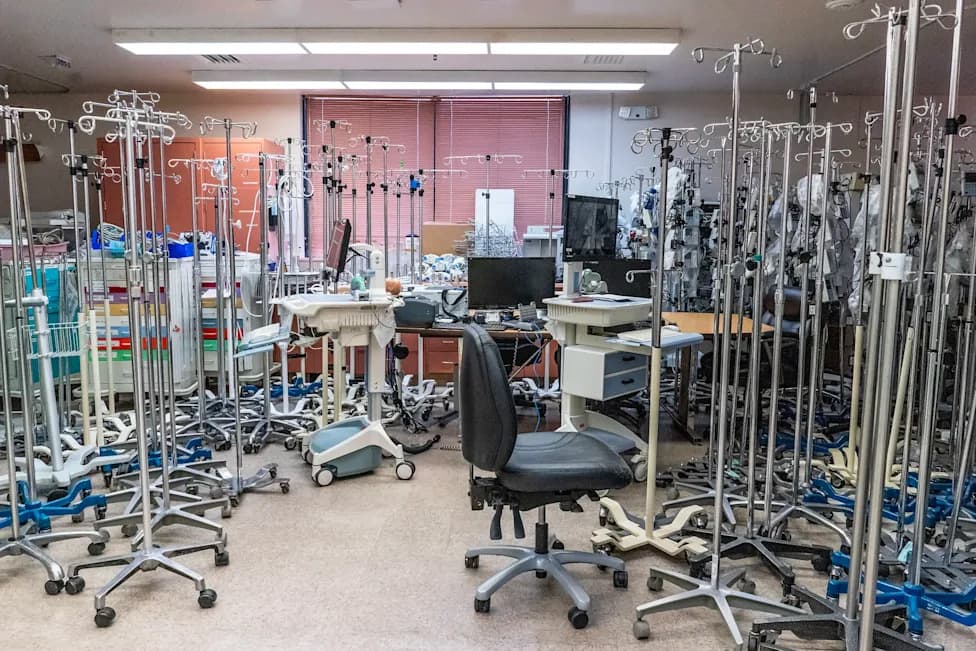
The emergency entrance at Erlanger Western Carolina Hospital in Peachtree, North Carolina by Harrison Keely / BY 4.0 (https://creativecommons.org/licenses/by/4.0/)
Texas won nearly $12 billion in restored supplemental Medicaid payments, but the funds are directed entirely to hospitals, rural clinics, nursing homes and behavioral health providers — not to individual beneficiaries. The restoration ends a freeze that had threatened local services and strained provider finances across the state.
What Happened
The Centers for Medicare and Medicaid Services (CMS) halted Texas' supplemental provider payments on Sept. 1, the start of the state's fiscal year. Hospitals reported cumulative losses of about $27 million per day while the dispute was unresolved. Gov. Greg Abbott announced the funding would be restored on September 17, 2026, ending the suspension that began earlier that month.
Where the Money Goes
The nearly $12 billion is supplemental provider funding intended to narrow the gap between Medicaid reimbursement rates and the actual cost of care. According to the governor's office, the funds "authorize nearly $12 billion for hospitals, physicians, rural clinics, nursing facilities, and behavioral health providers that serve patients in every region of our state." That infusion is meant to stabilize cash flow for safety-net providers, not to increase individual Medicaid benefits.
Why This Matters For Rural Care
For many rural communities, a single hospital or clinic provides emergency care, inpatient services and long-term care beds. When Medicaid pays less than the cost of care, providers must decide whether to cut services, close units or shutter entirely. Supplemental payments help reduce those shortfalls and improve the chances that local emergency departments and nursing homes remain open.
"Emergency rooms will stay open, rural families will retain local care, and Texans will have access to the treatment they need," Gov. Greg Abbott said after the restoration announcement. John Hawkins, president and CEO of the Texas Hospital Association, added: "We can breathe a little easier today."
Limits And Longer-Term Pressure
This restoration is temporary relief rather than a cure for deeper problems. Staffing shortages, low patient volumes in sparsely populated counties and years of financial pressure on safety-net providers will not be solved instantly by a one-time funding infusion.
The issue is also affected by national policy changes. The 2025 One Big Beautiful Bill Act established new caps on state-directed Medicaid payments, and CMS has proposed rules that, according to its own estimates, could reduce federal Medicaid spending by roughly $510 billion from 2026 through 2035. A Health Affairs analysis suggests those caps could cut Medicaid spending by 10%–25% of annual outlays in many states, with several exceeding 25%.
What To Watch Next
The restored funds give providers breathing room, but the important measures will be operational: whether hospitals restore services they scaled back, whether rural clinics remain open, whether nursing facilities continue to accept Medicaid residents and whether local providers stop pulling back from low-margin care. For Medicaid enrollees, the result will not be more dollars on their coverage card — it will be whether the nearest emergency room or long-term care bed is still available when they need it.
If you have questions or see factual issues with this coverage, contact [email protected].
Help us improve.