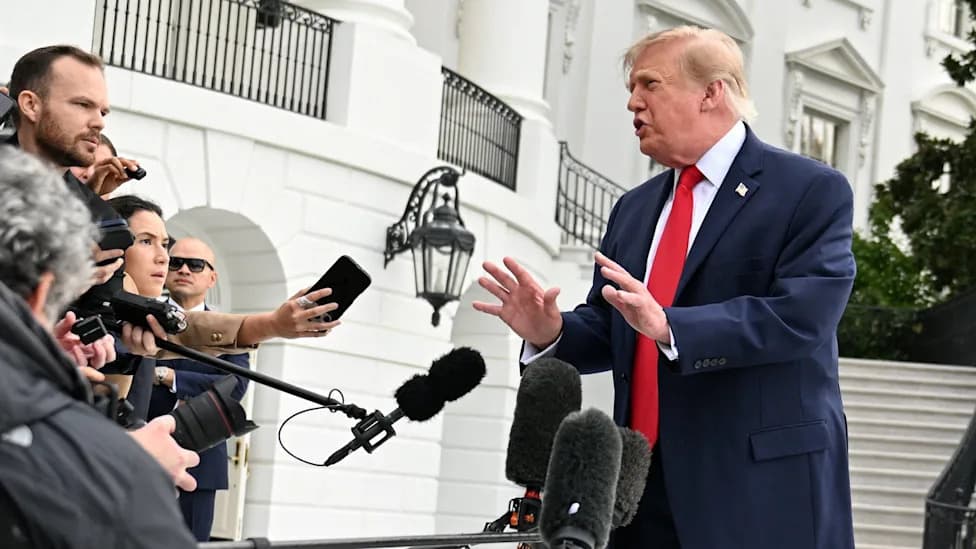
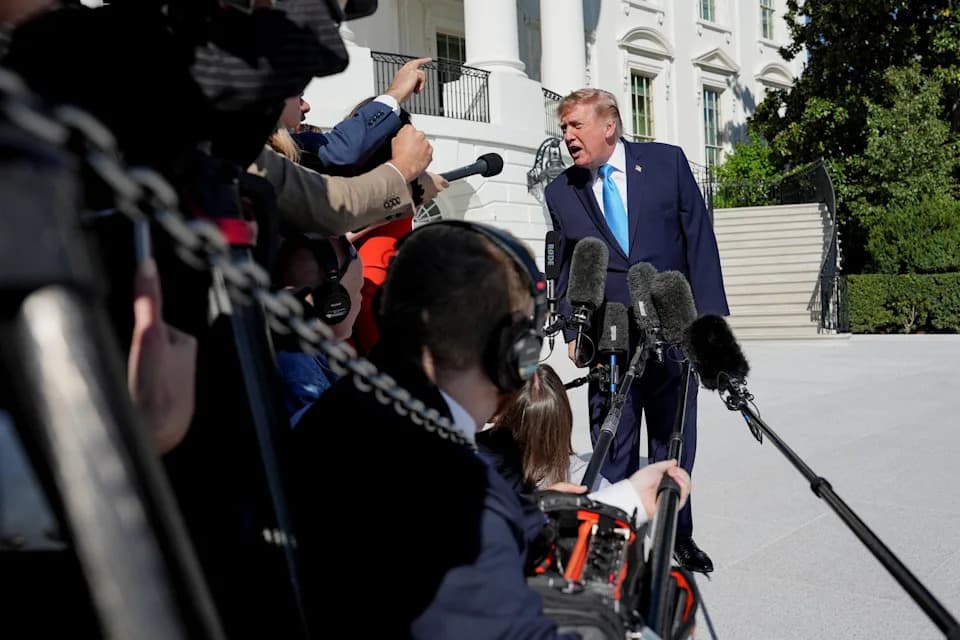
Donald Trump called for the arrests of news outlets he says misrepresented crowd sizes at his rallies, singling out The New York Times and "other Artificial Media Outlets." He posted videos of people waiting to enter arenas and said apparent empty seats result from crowd "migration," claiming thousands were turned away. The New York Times did not immediately respond; the episode continues an extended confrontation between Trump and the press, including prior attempts to restrict White House access to certain outlets.
Trump Demands Arrests of News Outlets Over Rally Crowd Coverage, Accuses ‘Artificial Media’ of Dishonesty
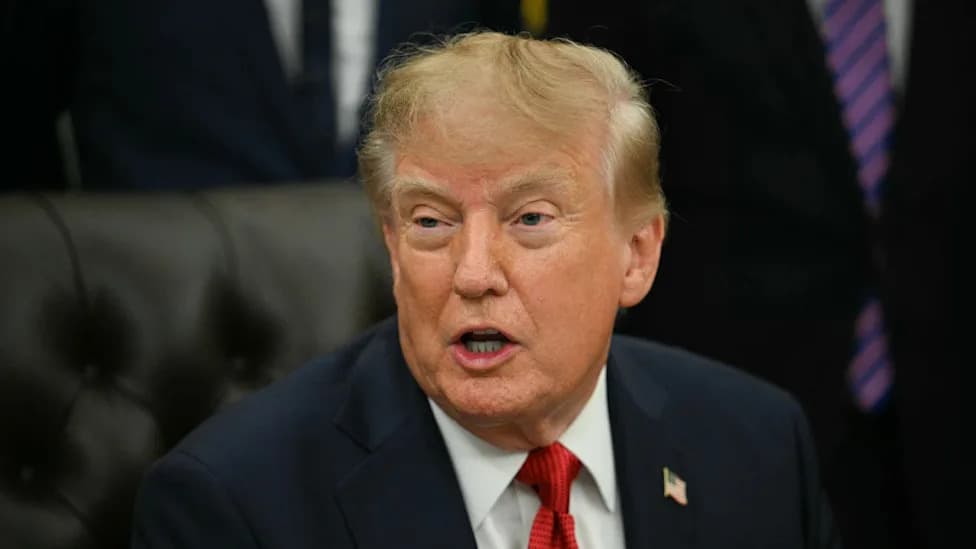
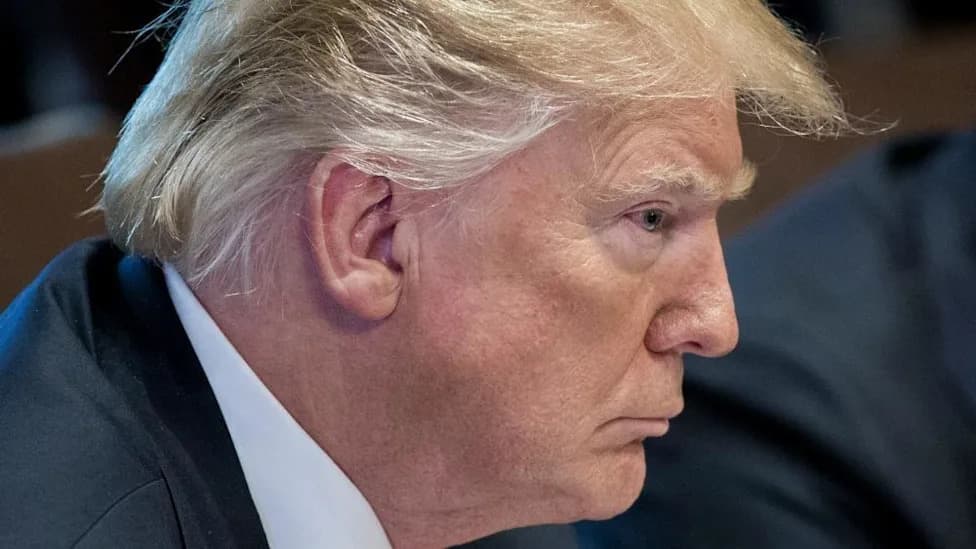
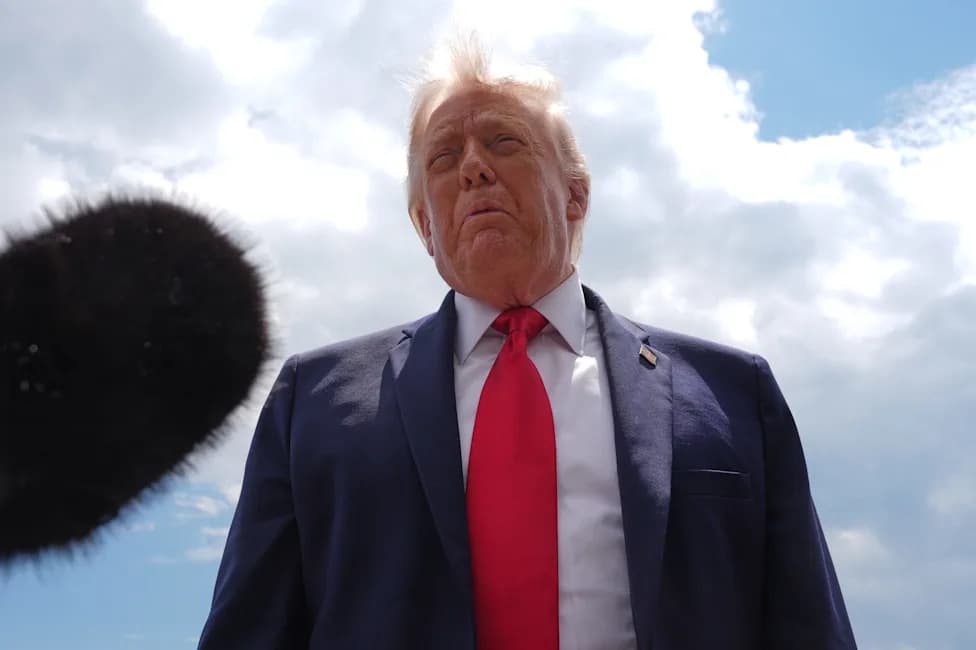
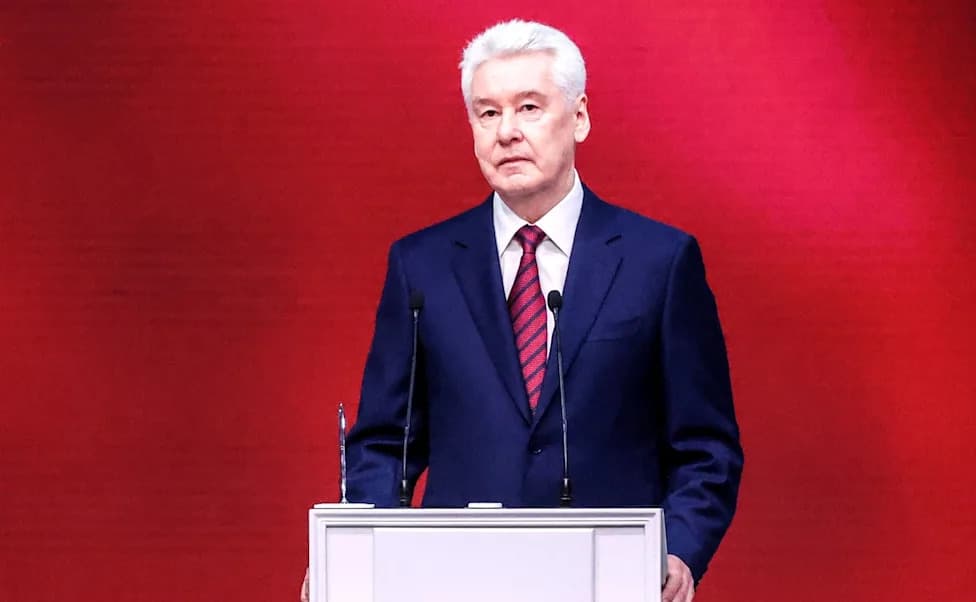
Donald Trump (Credit: Jim WATSON / AFP via Getty Images)
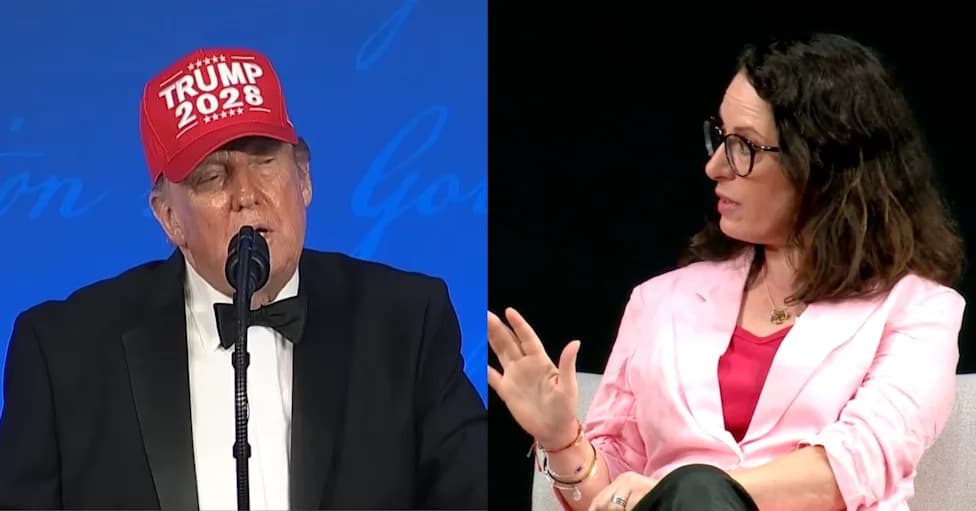
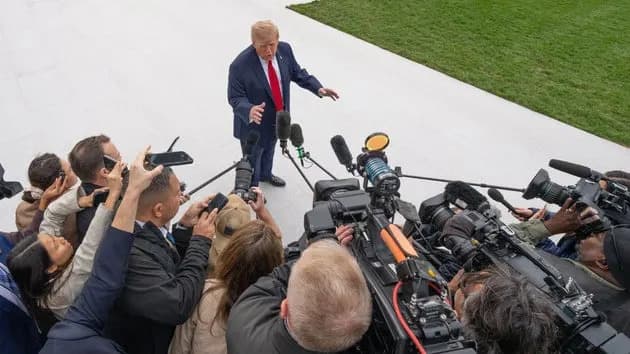
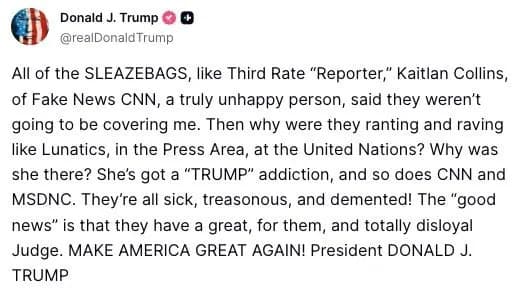
Donald Trump renewed his public attacks on news organizations, calling for the arrests of outlets he accused of misrepresenting attendance at his recent rallies. In posts on Truth Social, Trump singled out The New York Times and what he called "other Artificial Media Outlets," sharing video of people waiting to enter arenas and arguing that reporters who described low attendance should be held accountable.
"The Ohio Arena was already full to the brim — and yet these people were still trying to get in," Trump wrote. "The New York Times said, 'There were empty seats' when, in fact, there were none, and thousands of people had to be turned away. The New York Times, and many other Artificial Media Outlets, should be arrested for their dishonesty and disservice to our Country."
Trump followed with a second post defending his assertion that any apparently vacant upper sections were a result of crowd "migration" toward the main floor during sold-out events. He added that his team uses cinematographers to capture wider shots of the arenas and accused some outlets of choosing angles that minimize crowd size.
"In actuality, thousands of people were unable to get in. The Arena was totally MAXED OUT, including all upper sections... The 'migration' process always happens," he wrote, adding, "I never have empty seats — Never have, and never will!"
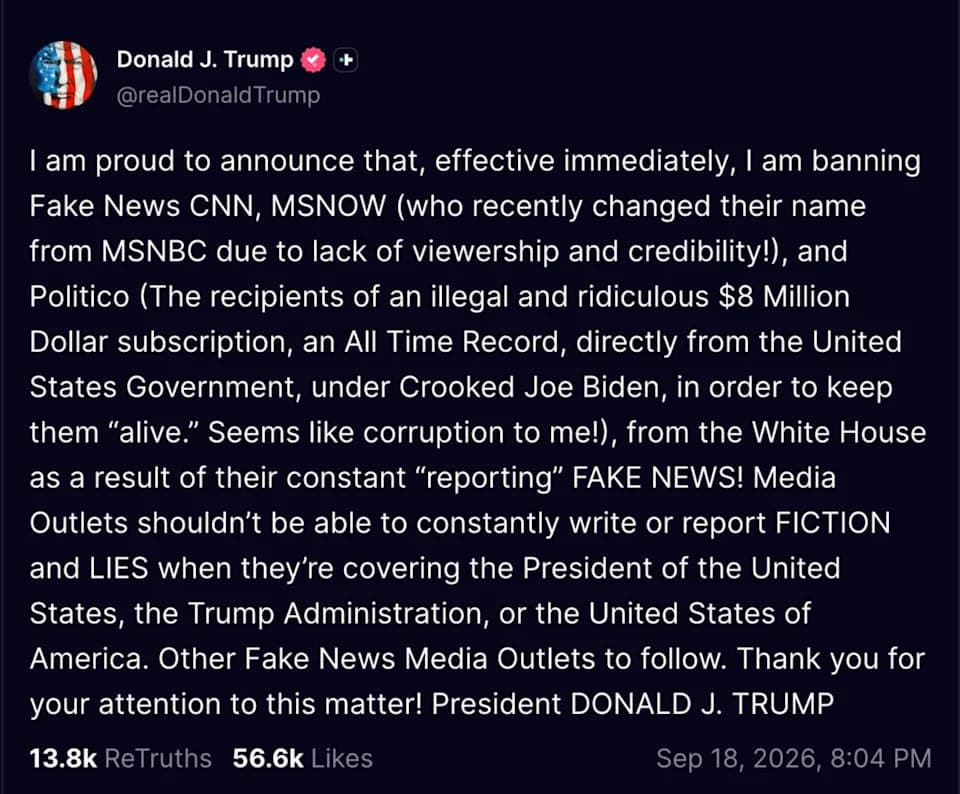
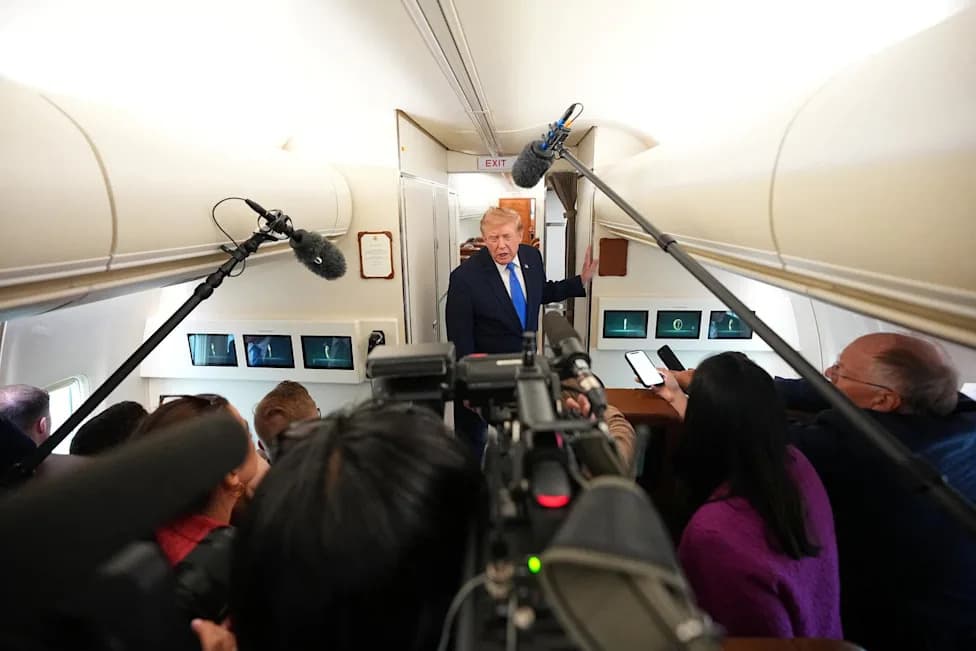
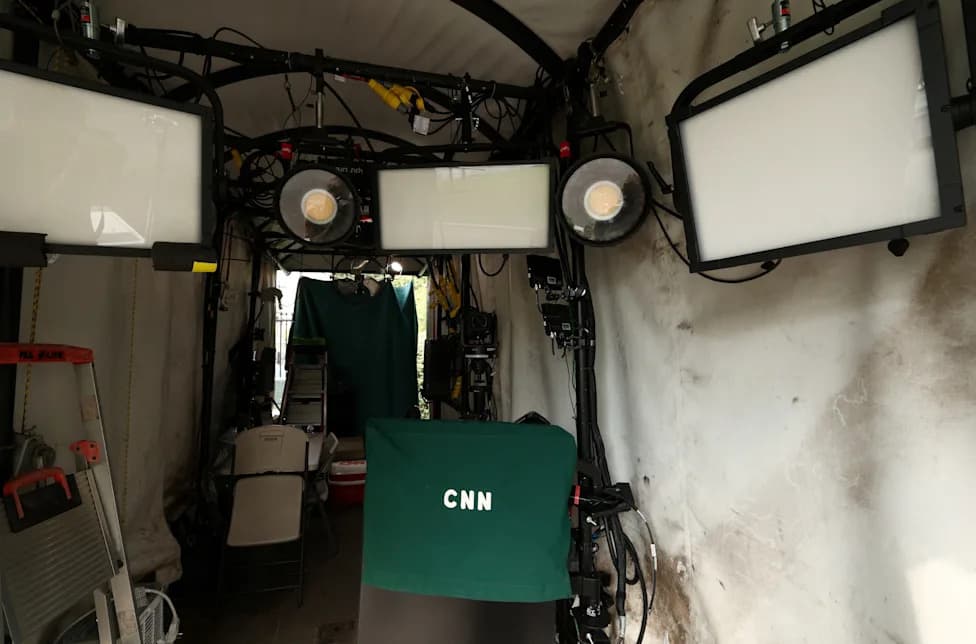
The posts repeat a broader pattern in Trump’s disputes with the press. A representative for The New York Times did not immediately respond to a request for comment. Weeks earlier, Trump attempted to bar outlets including CNN, Politico and MSNBC from White House access; those organizations later regained entry after legal action.
Context and Implications
Trump’s calls for legal action against news outlets raise questions about freedom of the press and the boundaries of rhetoric directed at media organizations. While Trump presented video and his team’s explanations to support his claims about attendance, independent verification of total crowd counts and how those counts were reported remains a matter for news organizations and fact-checkers.
Why it matters: The dispute illustrates ongoing tensions between the former president and national media, and spotlights how different narratives around event attendance can inflame political and legal debates.
Help us improve.