Seattle will increase its minimum wage to $22.14 an hour in 2027 after a 2025 move to a uniform, inflation-indexed pay floor for all employers. The change has coincided with reports of business strain — roughly 450 restaurant closures in early 2025 and transaction drops in some districts — and a study linking the wage announcement to reduced new-business formation inside city limits. Supporters cite the city’s high cost of living and retention benefits; critics point to rising vacancies and job-posting declines.
Seattle To Raise Minimum Wage To $22.14 In 2027 As Businesses Exit, Job Postings Plunge
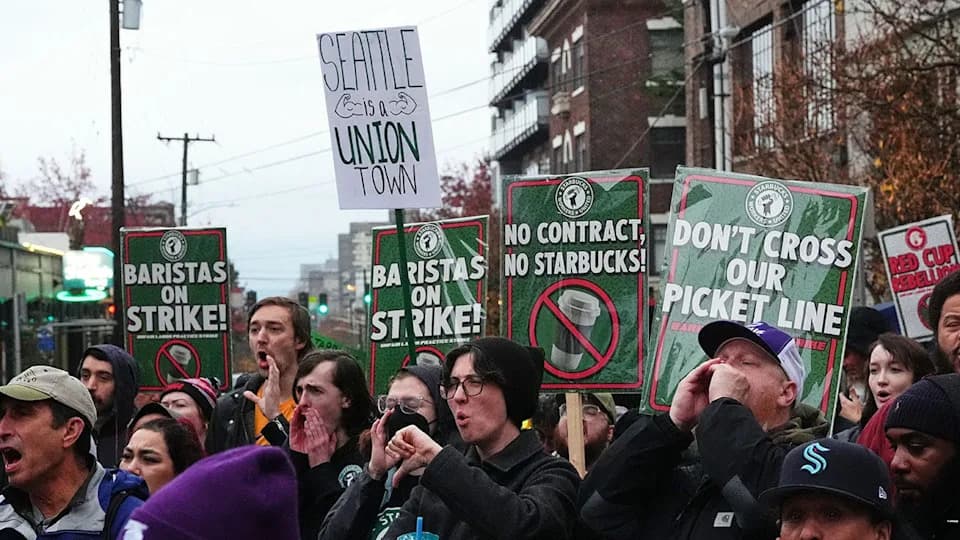
Starbucks employees and supporters strike in front of the former Starbucks Reserve Roastery that closed earlier in the year, Thursday, Nov. 13, 2025, in Seattle.
Seattle will raise its minimum wage to $22.14 per hour in 2027, a move that comes as the broader metropolitan area grapples with a steep drop in job postings and many local businesses report mounting cost pressures.
What Changed
Since 2025, Seattle has required all employers — including small businesses — to pay the same inflation-indexed minimum wage. Several restaurant owners who later closed said rising labor costs were a significant factor in their decisions.
Business Impact
In the first half of 2025, about 450 Seattle restaurants — roughly 16% of the city's total — closed, shortly after the uniform wage mandate took effect for all employers. Square data cited by The Wall Street Journal shows restaurant and retail transactions fell by as much as 7% year-over-year in some business and shopping districts near Amazon and Microsoft campuses.

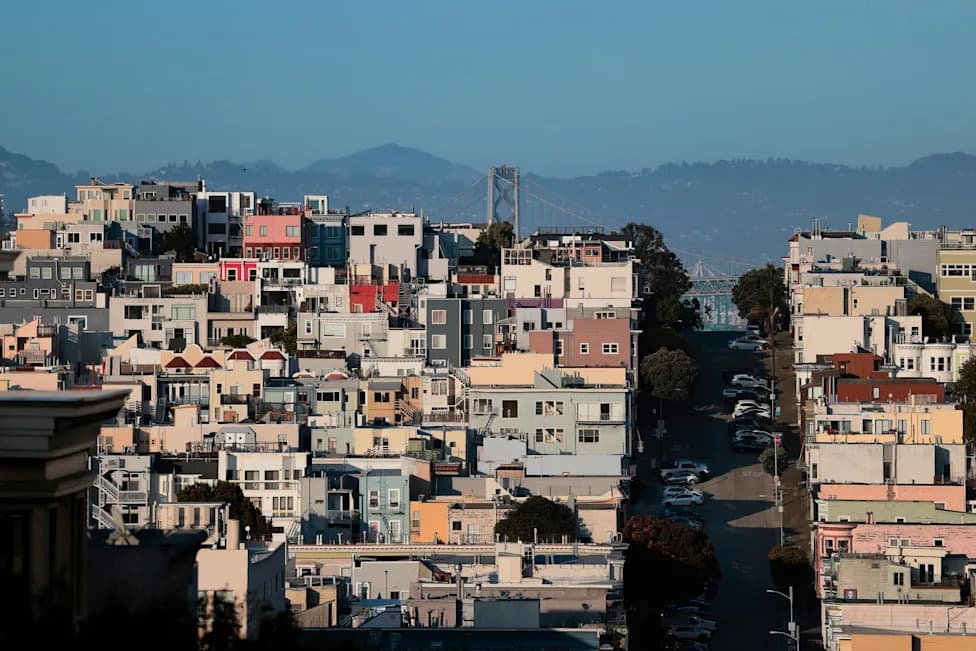
The Seattle city skyline.
“If the servers are making $20 an hour, then I gotta pay the cooks $35,” a Seattle restaurant owner told Eater in 2024, describing how compressed pay scales can push up labor costs across roles.
Anthony Anton, CEO of the Washington Hospitality Association, summarized the pressure many operators report: “Operators are making less money than ever and are charging more than ever.”
Research And Wider Effects
A peer-reviewed study by researchers at the University of Wisconsin–Madison found that the announcement of Seattle’s minimum wage increase reduced new business formation inside the city while spurring new startups in adjacent suburbs with lower wage floors.
Supporters of higher minimum pay argue Seattle’s high cost of living makes stronger wage floors necessary to prevent more residents from falling into poverty and to improve staff retention. Critics point to rising vacancies, business closures and firms shifting operations away from the city as evidence of strain.
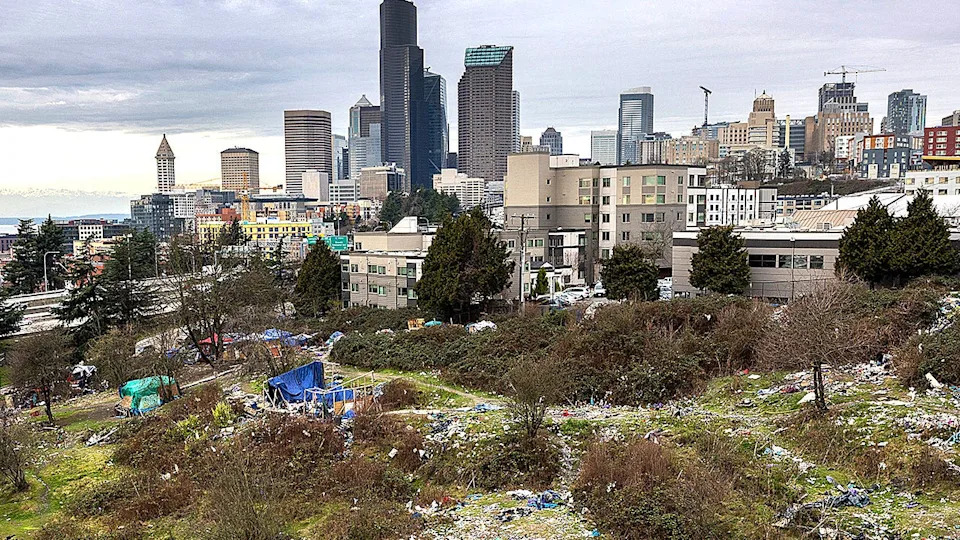
In an aerial view, a homeless encampment, known informally as "Dope Slope" stands covered in garbage near downtown Seattle on March 12, 2022, in Seattle, Washington.
Broader Economic Trends
Job postings in the Seattle metropolitan area fell by 35% between February 2020 and October 2025, a decline second only to San Francisco, according to an Axios analysis. By Q4 2025, downtown Seattle office vacancy reached 35.6%, up from 32.3% the previous year, based on Cushman & Wakefield data. Some well-known companies have moved certain operations out of the city amid these trends.
What This Means For Workers
If no other jurisdiction raises its minimum wage to match or exceed Seattle’s, the city will have the highest municipal minimum wage in the nation next year. A full-time worker earning the Seattle minimum would make just over $46,000 annually.
This policy change sits at the intersection of competing priorities: raising incomes for low-wage workers in an expensive city, while also managing the costs and realities local businesses face during a turbulent economic recovery.
Help us improve.