The fate of 87 acres in Taylor, Texas, hinges on whether a 1999 deed that conveyed the land "to be held in trust for future use as parkland" remains enforceable after an April 2025 sale to a developer tied to Blueprint Data Centers. Pamela Griffin, backed by family and neighborhood concerns, sued to enforce the restriction; a county judge dismissed the case for lack of standing and the matter is now on appeal. Texas Attorney General Ken Paxton has opened a parallel investigation into whether the original trust language was lawfully altered during later transfers. The outcome could affect how charitable-trust and public-use deed language are enforced in Texas.
Promised Parkland at Stake: Texas Woman Seeks To Block $10M Data Center
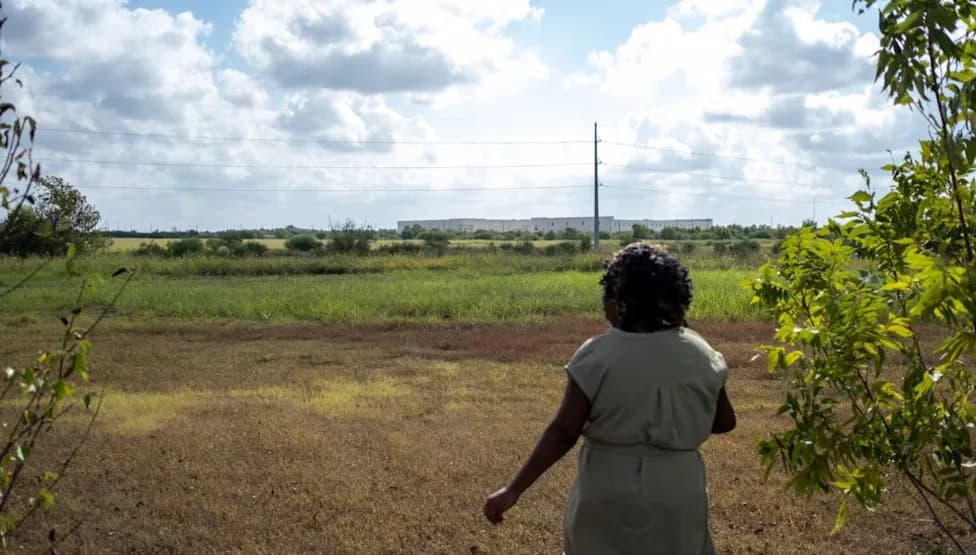
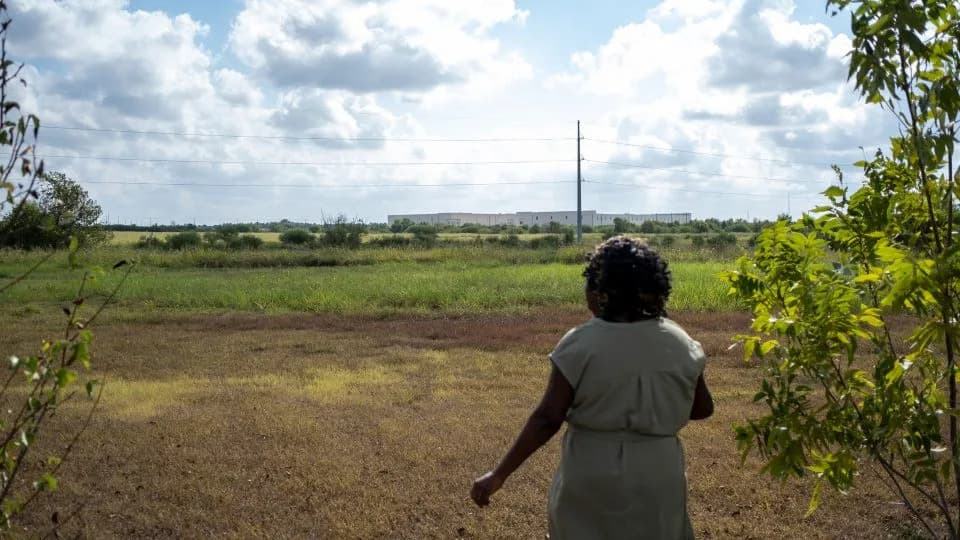
Image: Joel Angel Juarez via CNN
A legal and community battle has erupted in Taylor, Texas, over 87 acres that were transferred in 1999 for $10 with a deed stating the land was "to be held in trust for future use as parkland." In April 2025 the remaining parcel sold for $10 million to an entity tied to Blueprint Data Centers, and the central question now before a Texas appeals court and the state attorney general is whether that original deed language still carries legal force.
Timeline and Chain of Title
The land moved through several public and nonprofit hands before becoming privately owned. Records and reporting show:
- 1999: The Bland family conveyed 87 acres to the Texas Parks and Recreation Foundation for $10, with a restriction that it be held for future park use.
- 2003: According to the Texas Attorney General's office, the property transferred to a Williamson County parks nonprofit and soon after to the City of Taylor.
- 2009: The City of Taylor sold 39 acres to the Taylor Economic Development Corporation for $15,000.
- April 2025: The remaining parcel was sold for $10 million to NCP Travis TPP Project LLC, the entity associated with Blueprint Data Centers.
Legal Fight
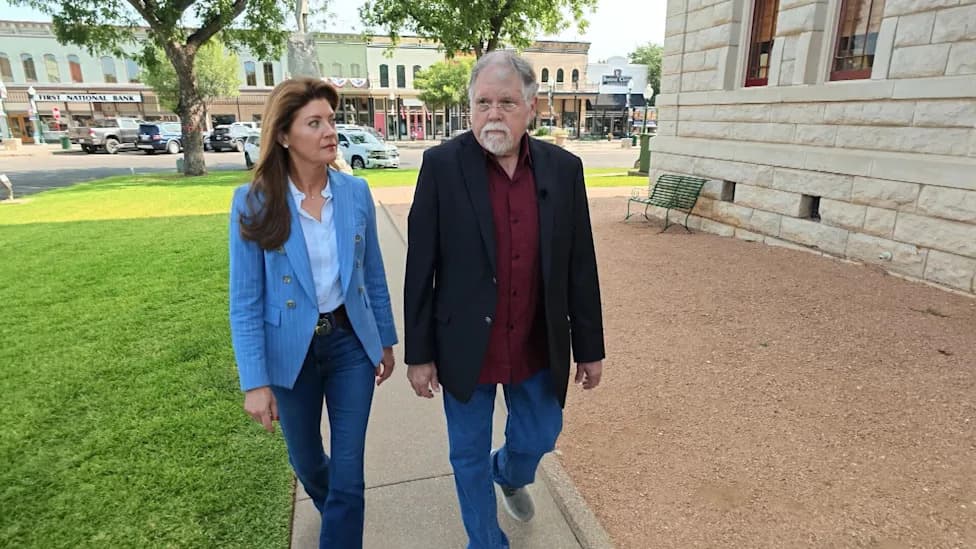
Pamela Griffin, whose family has deep ties to the neighborhood, sued to enforce the 1999 park-use restriction. A Williamson County state district judge dismissed the suit in October 2025 for lack of standing, finding that the plaintiffs did not own the land nor hold a direct financial interest. Griffin's attorney says the dismissal addressed only standing and left unresolved the question of whether the original restriction remains enforceable; the case is now before a Texas appeals court.
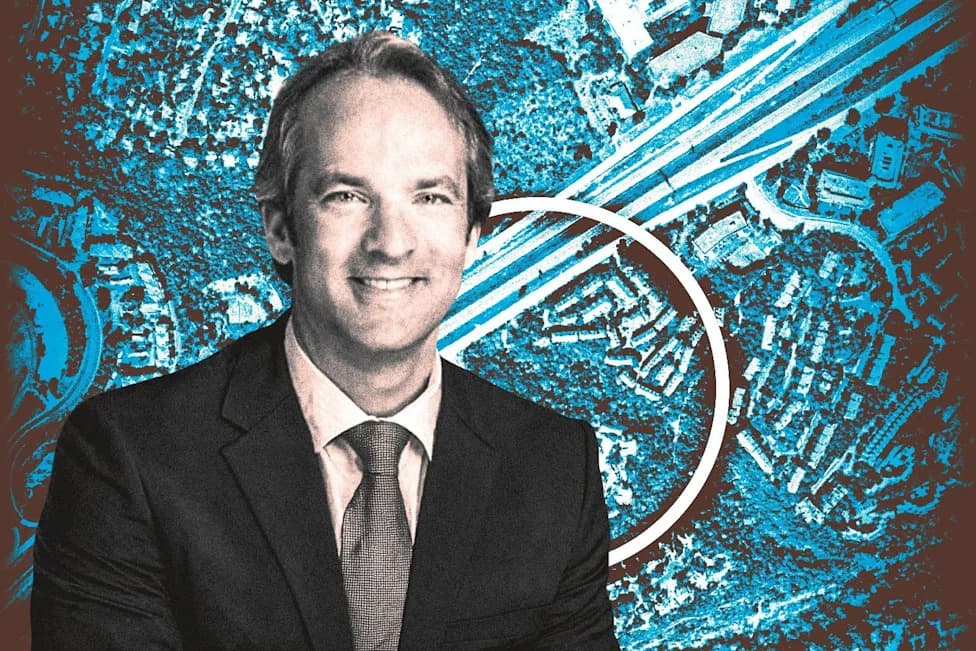
Meanwhile, Texas Attorney General Ken Paxton opened a separate investigation into whether the 1999 trust and its park-use restriction were lawfully modified or terminated during subsequent transfers. The AG's office has said it may seek court intervention if the land is found to be subject to a charitable trust or other enforceable restriction. The City of Taylor has said it will cooperate with that probe but declined further comment because of ongoing litigation.
Community Impact and Concerns
For Griffin and many neighbors the dispute is deeply personal. Griffin says her grandmother, Addie Collins, purchased land on Taylor's south side after the Fair Housing Act outlawed housing discrimination, and the family has used those lots to build multigenerational economic security. A vacant lot adjacent to Griffin's family home has long served as an informal playground for generations; nearby Fannie Robinson Park — the city's first park serving Black residents — was once a city dump, residents say, and was associated with health complaints in the past.
Residents have raised concerns about the proposed data center's local impacts: equipment noise, emissions from backup generators, light pollution, and large electricity demand. Opponents argue the neighborhood would benefit more from services such as a grocery store or gas station than a data center.
Developer Plans and City Response
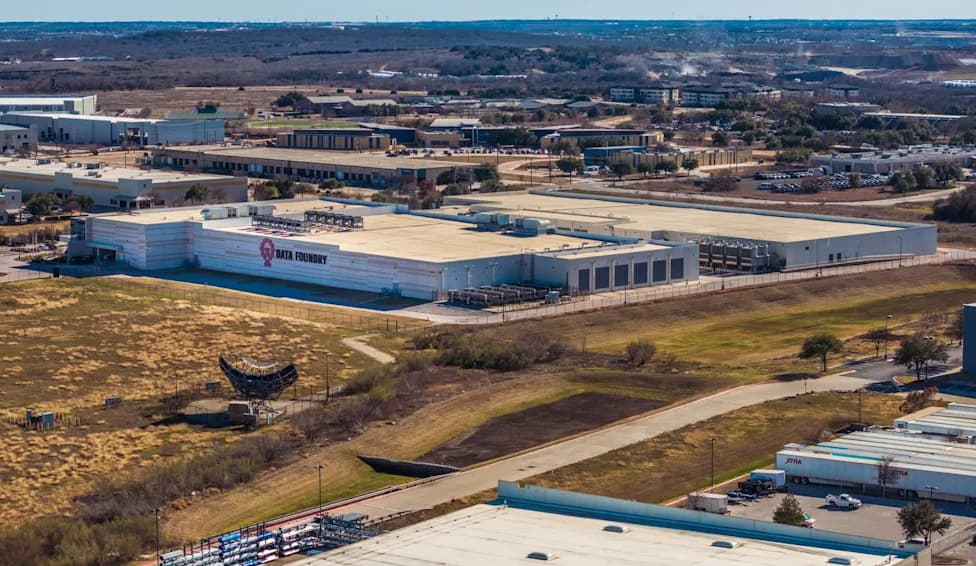
Blueprint-affiliated developers have approval to build a phased, three-building data-center complex across roughly 52 acres of the parcel, totaling about 135,000 square feet in three 45,000-square-foot phases with an on-site electrical substation. The facility would be sited roughly 500 feet from a neighborhood made up predominantly of Black and Hispanic families, according to reporting.
City officials emphasize potential financial benefits: they say the project could generate millions of dollars in tax revenue over a decade that could support schools, bolster teacher pay, or reduce property taxes. Officials also note the planned use of a closed-loop cooling system intended to limit water withdrawals and say they are considering new local rules on noise, setbacks, emissions and water use for data centers in industrial zones.
What’s At Stake
At issue is not only one parcel in Taylor but the broader question of how written public commitments — including charitable-trust language in deeds — are treated under Texas law. The appeals court decision and the attorney general's investigation could set important local and legal precedents.
Next steps: The appeals court will consider the standing and substantive questions raised by Griffin's suit, and the Texas attorney general's office is pursuing its own inquiry into the chain of transfers and any lawful termination or modification of the original trust language.
Help us improve.