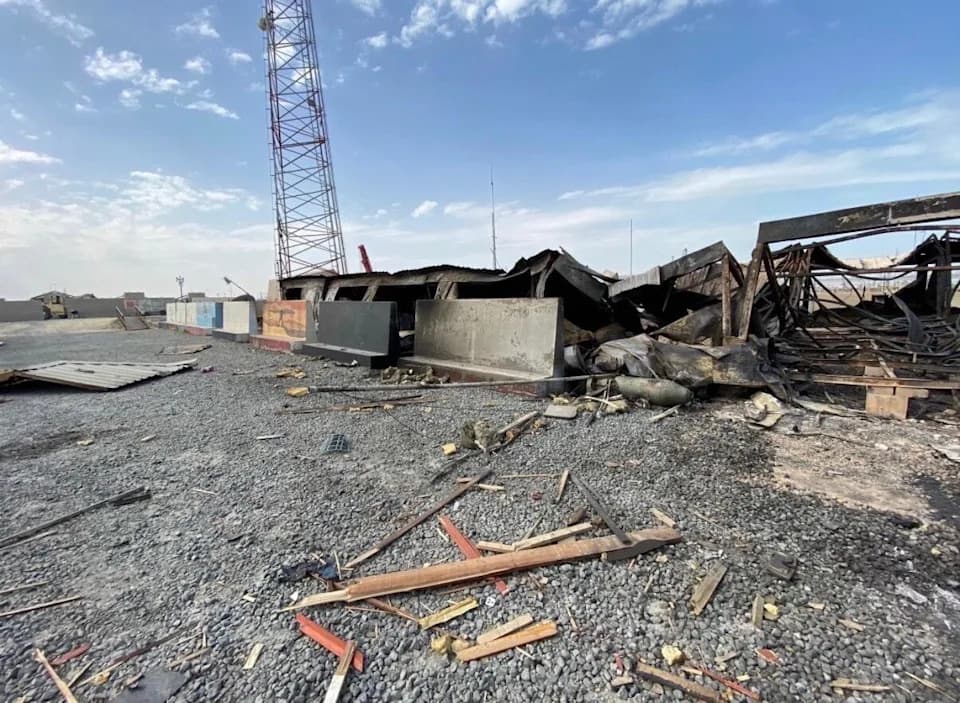
Army Lt. Col. Arturo Lincón and dozens of U.S. troops were wounded in an Iranian drone strike at Port Shuaiba, Kuwait, on March 1; six service members were killed. Nine wounded soldiers told The Associated Press they believe the military failed to recognize some injuries, bungled evacuations and created red tape that hindered follow-up care. The Pentagon says the medical care provided was appropriate, while troops and families call for faster evacuations, better frontline triage and streamlined access to specialist and rehabilitative services.
“We Were Left to Fight for Care”: Wounded Soldiers Say Military Medical System Failed Them After Iranian Drone Strike
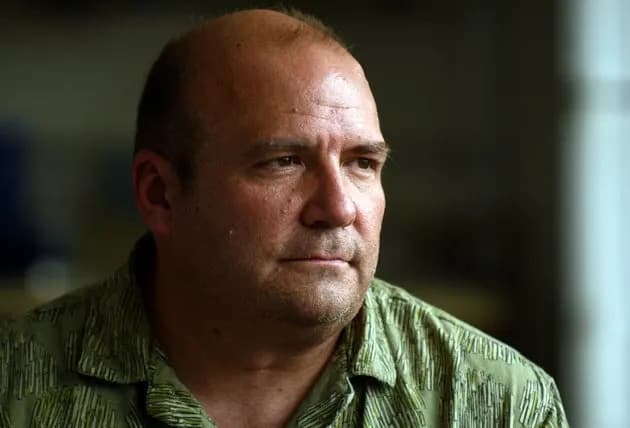
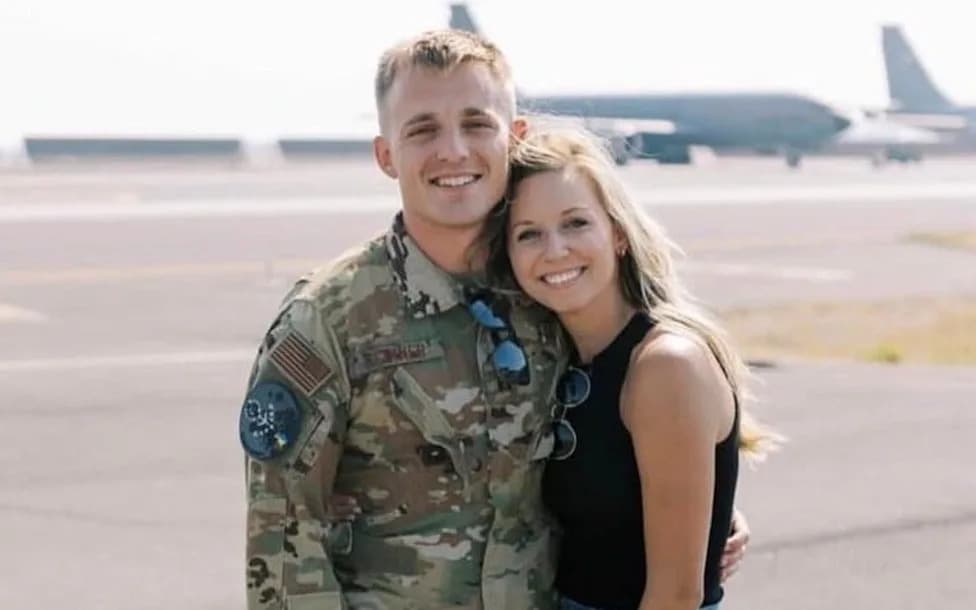
Army Lt. Col. Arturo Lincón suffered multiple, severe shrapnel wounds when an Iranian drone struck U.S. forces on March 1. Fragments lodged in his jaw, tore through a salivary gland and ultimately pierced the back of his neck, severing an artery and embedding in a vertebra — injuries that required urgent, specialized treatment.
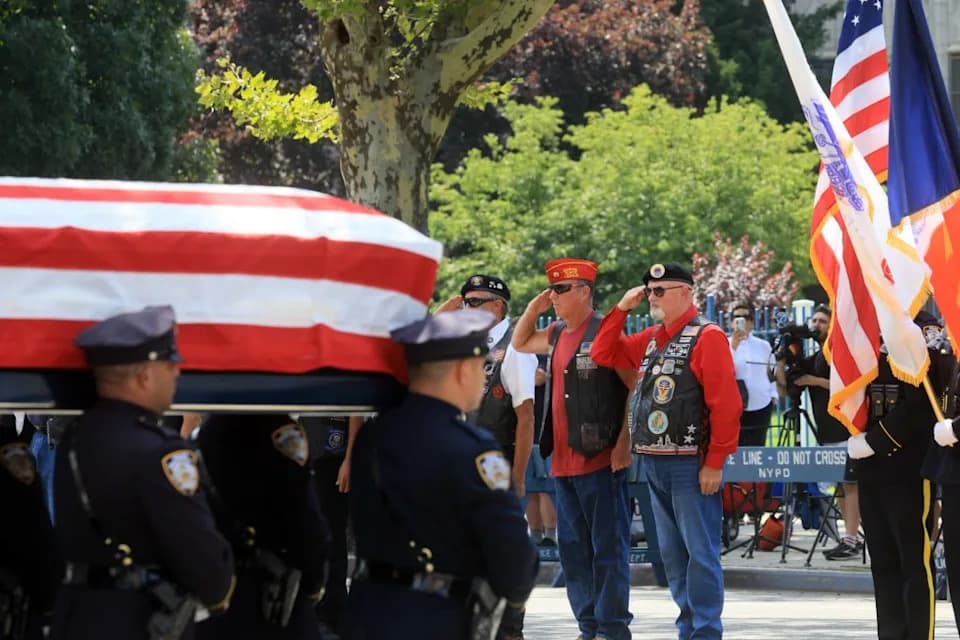
The strike at Port Shuaiba in Kuwait — reported as occurring on the second day of the U.S.-Iran conflict — killed six service members and wounded dozens more. In the weeks since, several wounded troops and family members have raised sharp questions about whether the military’s medical response and follow-up care met the needs of the injured.
Allegations of Missed Diagnoses and Evacuation Failures
Nine U.S. service members who were wounded spoke to The Associated Press on the record — a rare step for troops still on active duty — describing a pattern of medical missteps: delayed recognition of the seriousness of some injuries, inadequate plans for rapid evacuation to higher-level care, and administrative hurdles that complicated rehabilitation and recovery.
"We had to push to get scans, to get Specialist appointments, to get the meds we needed," one wounded soldier told the AP, describing a sense of being left to navigate the system alone.
Military Response
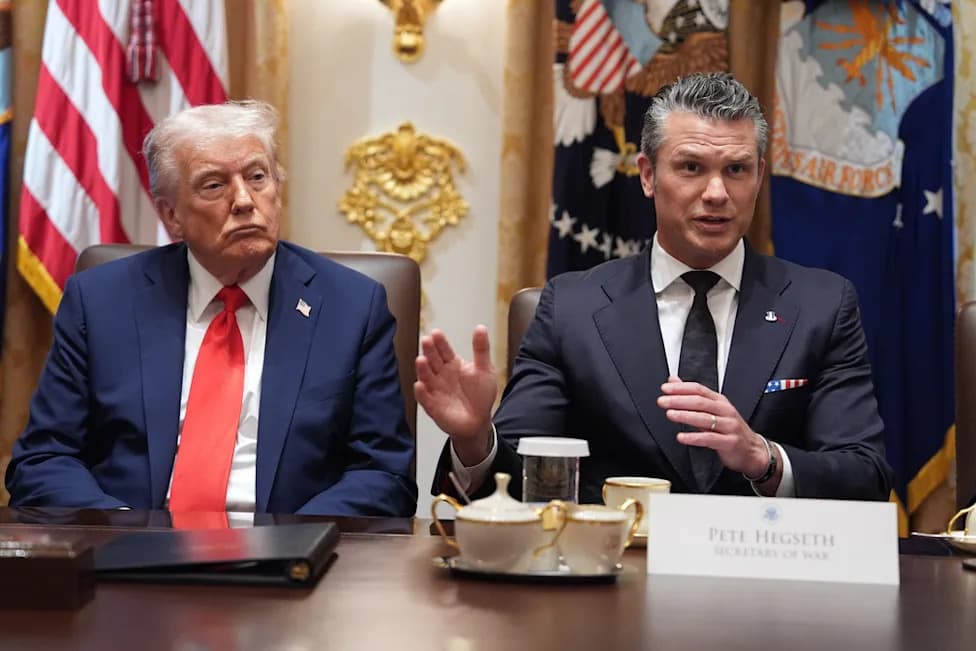
The Pentagon has defended the care provided, saying medical treatment for the wounded was appropriate. Military officials maintain that battlefield triage, medical evacuation and treatment protocols were followed, but the soldiers and their families say the practical outcomes fell short — particularly for those with complex, long-term needs.
Continuing Concerns
Family members and injured troops say bureaucratic red tape has delayed follow-up appointments, specialist referrals and access to rehabilitation services. Those obstacles, they argue, hinder recovery and increase the burden on service members trying to return to duty or transition to civilian life.
As investigations and reviews continue, wounded service members and advocates are calling for clearer evacuation plans, improved frontline triage training, faster access to specialty care and streamlined administrative support so injured troops receive timely, comprehensive medical attention.
Reporting: The findings are based on on-the-record interviews with nine wounded U.S. service members and accounts from family members, as reported by The Associated Press.
Help us improve.