Cities across the U.S. are creating dedicated community safety agencies that prioritize prevention, early intervention, and public-health approaches to violence and crisis response. These offices consolidate services—community violence intervention, crisis response teams, victims’ services, and homeless outreach—to connect vulnerable people quickly to stabilizing supports. Early evidence shows reduced arrests and declines in some forms of violence (a multisite study found a 42.5% drop in arrest likelihood after mobile crisis contact; Richmond’s Peacemaker Fellowship reduced firearm violence over 14 years). Long-term success will require durable funding, better county–city coordination, and federal and state policy changes to scale housing and behavioral-health services.
How Community Safety Departments Are Reshaping American Cities’ Approach to Public Safety

A recent wave of local innovations is changing how U.S. cities think about safety. In the past few weeks, Seattle moved its community violence intervention programs into the city’s Community Safety Department (CARE), and Baltimore announced a new Department of Neighborhood Safety to coordinate violence prevention and crisis response. Similar initiatives have emerged or been proposed in New York City, Harris County (Texas), Albuquerque, Durham, Greensboro, Los Angeles, and Minneapolis.
What Community Safety Agencies Do
These agencies are designed to consolidate and professionalize public-health–oriented safety work that was previously scattered across municipal departments. Typical elements include:
- Community Violence Intervention programs that prevent violence before it occurs.
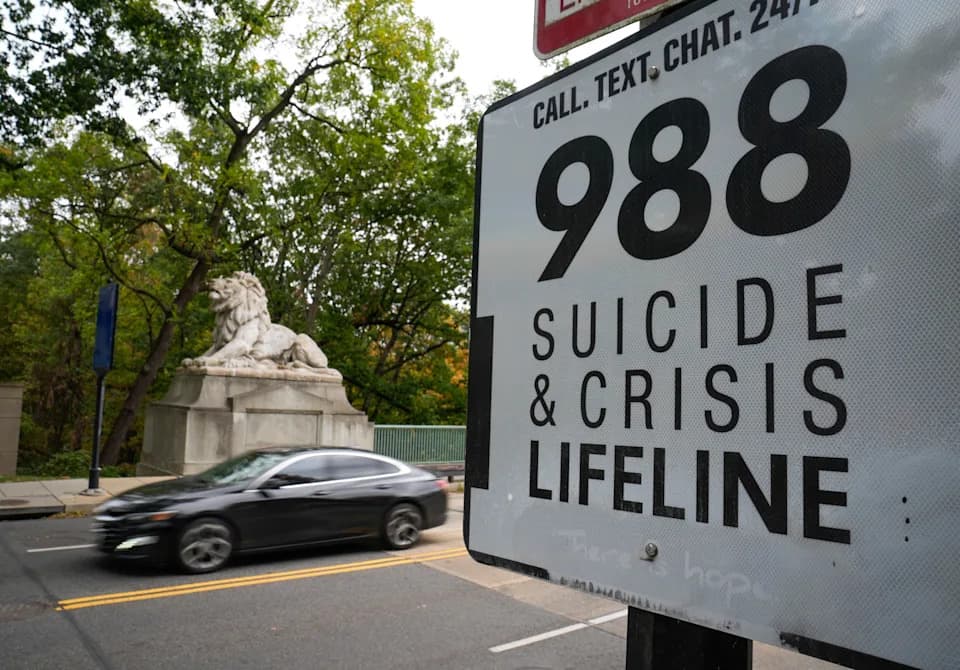
- Community Crisis Response teams that handle behavioral-health emergencies and lower-level conflicts.
- Victim Services and Homeless Outreach focused on rapid stabilization and support.
What unites these approaches is a focus on rapidly connecting people in crisis to stabilizing services—housing, behavioral-health care, mediation, and longer-term supports—so that problems are addressed before law enforcement becomes the default response.
Why These Agencies Are Distinct From Police
Community safety offices are intentionally organized outside police departments. This separation is not necessarily adversarial: it reflects a belief that coercive tools can undermine the trust and flexibility required for effective prevention and early intervention. Co-response models—pairing clinicians with officers—still exist for volatile incidents, but many cities are concluding that standalone agencies with trained nonpolice personnel are better suited to deliver preventive services reliably and quickly.
Evidence and Early Results
The emerging evidence base is promising. Evaluations of crisis-response programs in several cities report reductions in arrests and crime reports, faster response times, and stronger connections to follow-up services. A multisite study found that the likelihood of arrest was 42.5% lower in the year after contact with a mobile crisis team. Longitudinal research of Richmond, California’s Peacemaker Fellowship documented sustained reductions in firearm violence across 14 years.
Barriers And What Needs To Change
These interventions only work if the underlying services are available and well-funded. Community safety efforts have exposed decades of underinvestment in housing and behavioral health. Historically, policymakers have found money to build and staff jails—but not to expand the social services that prevent crises and reduce reliance on incarceration. As Moki Macias, director of Atlanta’s Policing Alternatives and Diversion, has observed: how effective would police seem if they had no jail to bring people to?
City-based agencies also raise coordination questions. Many behavioral-health services are administered at the county level; states will need to set standards for program operations and workforce development, and 911 systems will require new protocols for routing calls. Federal programs—Medicaid and HUD rental assistance—can help, but neither is structured with community safety operations in mind. Policymakers may need to reform funding rules and consider dedicated federal grants for community safety, similar to grant streams that exist for police.
A Broader Shift In How Communities Define Safety
As James Forman Jr. argues in Locking Up Our Own, Black communities long demanded both better protection and greater investment in neighborhoods—demands that too often yielded only more policing and little social support.
Community safety agencies reflect a resident-centered understanding of safety that values prevention—housing, jobs, education, and urban design—alongside enforcement. If sustained and scaled, these agencies could reduce the burden on police, improve outcomes for people in crisis, and create safer, healthier neighborhoods.
Help us improve.