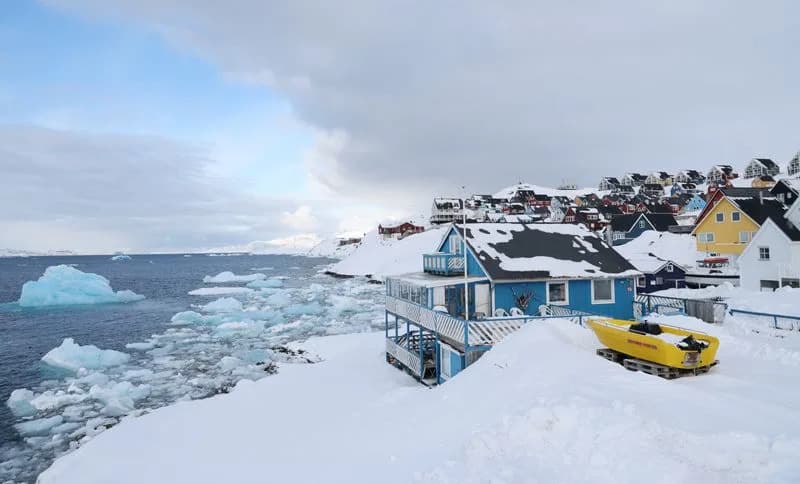
U.S. Secretary of State Marco Rubio visits Reykjavik to reinforce American economic and security interests in the Arctic, shortly after a U.S.–Denmark–Greenland security pact that includes plans for two bases in Greenland. Iceland remains strategically important while relying on NATO and a 1951 bilateral defense pact with the U.S. Rubio will then meet Greek officials in Athens for a strategic dialogue on regional and energy security before concluding his tour in Lisbon.
Rubio Visits Iceland to Bolster U.S. Presence in the Arctic
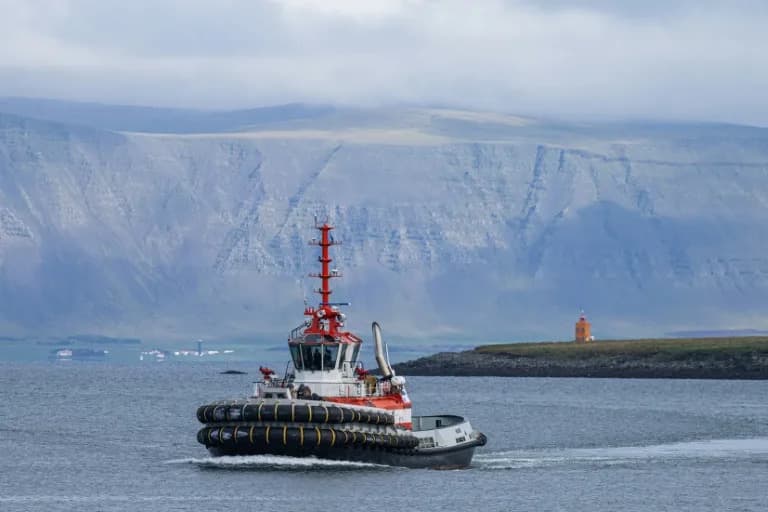
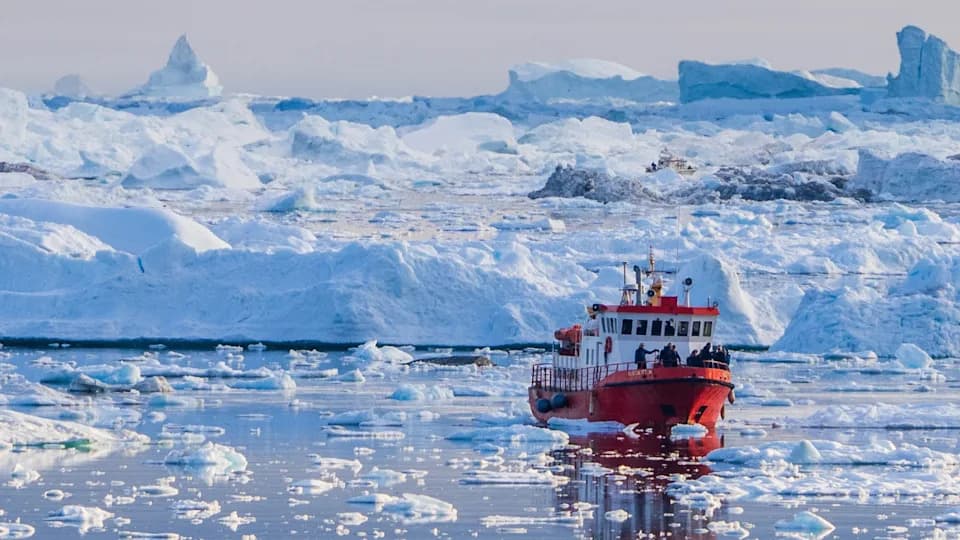
Iceland has never had a military since gaining independence in 1944, instead relying on agreements with NATO and the United States (Jonathan NACKSTRAND)
U.S. Secretary of State Marco Rubio will travel to Reykjavik on Monday to press American economic and security interests in the Arctic, the State Department said. The visit comes two weeks after Washington finalized a security pact with Denmark and Greenland that foresees a greater U.S. military presence in the region.
Visit Purpose and Context
According to the State Department, Rubio will meet Icelandic officials "to discuss economic and security collaboration" as competition for influence in the Arctic intensifies among the United States, Russia and China. The short, symbolic trip follows a late-September agreement reached on the sidelines of the United Nations General Assembly in New York.
Key Elements of the Security Pact
Under the agreement with Denmark and Greenland, Washington plans to establish two new military installations on Greenland, a move intended to strengthen control over Arctic access routes. The pact has also helped defuse earlier, controversial remarks by former President Donald Trump about buying or annexing Greenland.
Iceland's Strategic Role
Iceland has regained strategic prominence due to the Arctic's growing geopolitical importance, while continuing to rely on NATO and a bilateral defense pact with the United States signed in 1951. Since gaining independence in 1944, Iceland has not maintained a standing military force.
Political Frictions and Public Sentiment
In early September, former President Trump drew criticism for sharing an AI-generated map that appeared to label Greenland and Iceland as part of the United States. Reykjavik summoned the U.S. ambassador to convey that the image was "wholly inappropriate," the Icelandic foreign ministry told AFP. Separately, Icelanders voted 52.8% to 47.2% in late August against resuming frozen negotiations to join the European Union.
Next Stops: Athens and Lisbon
After Iceland, Rubio will travel to Athens for a "strategic dialogue" with Greece focusing on regional and energy security. With disruptions in global energy supply chains highlighted by conflicts in Iran and Ukraine, Greece is positioning itself as a southeastern European hub for natural gas transport. The trip will conclude with a brief stop in Lisbon.
Diplomatic Oversight
The visit comes amid media reports raising questions about potential conflicts of interest involving the U.S. ambassador to Greece, Kimberly Guilfoyle. In a letter to Rubio, Representative Gregory Meeks requested clarification of a Wall Street Journal report alleging Guilfoyle said the United States could create "political change" in European countries.
Bottom line: Rubio's trip underscores Washington's focus on securing Arctic access and strengthening partnerships in a region increasingly viewed as geopolitically vital.
Help us improve.