Denmark and Greenland say a proposed agreement with the United States to expand its military presence in Greenland will not compromise Greenlandic sovereignty. The three parties reported a framework that would permit a substantial U.S. presence while barring rival bases, with a signing expected at the UN General Assembly. Key details — including the size, duration and legal authority of any U.S. deployment — remain undisclosed. Experts warn that handing formal powers to Washington could raise concerns about a new form of external domination.
Denmark and Greenland Say US Security Deal Will Preserve Greenlandic Sovereignty — Key Details Remain Unclear
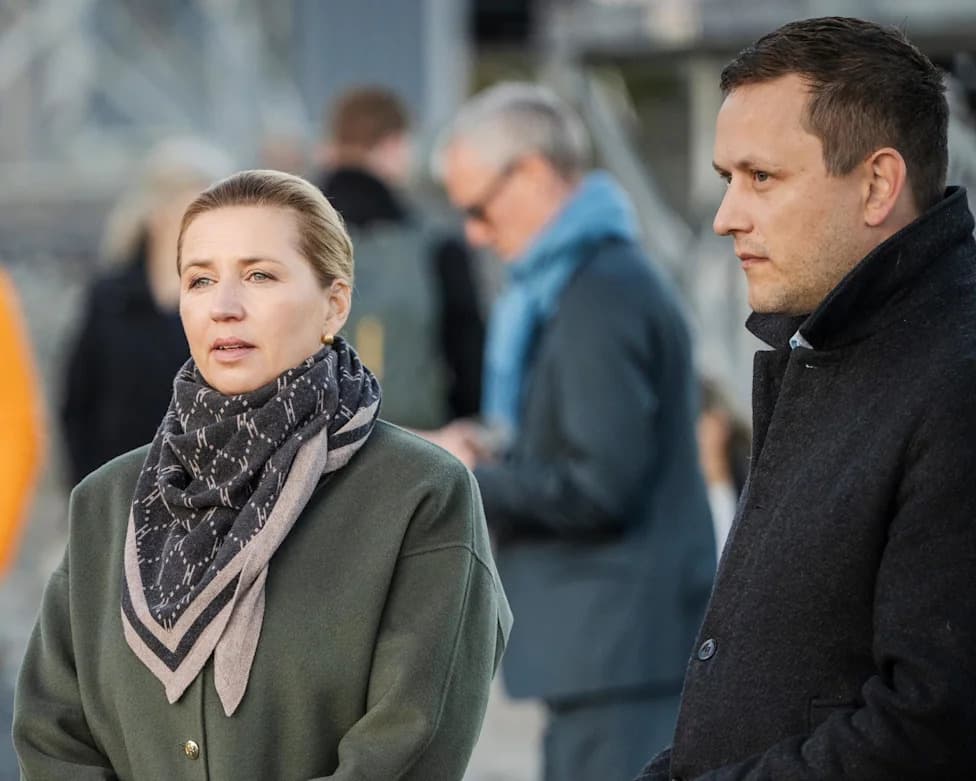
Denmark's prime minister, Mette Frederiksen, and Greenland's prime minister, Jens-Frederik Nielsen, in Nuuk, Greenland, on 7 September 2026.Photograph: Mads Claus Rasmussen/Ritzau Scanpix/AP
Denmark and Greenland have said a proposed security agreement with the United States to expand its military presence in the Arctic will not undermine Greenland's sovereignty. The three parties announced a framework intended to allow a larger U.S. presence on the island while blocking rival powers from establishing bases there.
Officials Stress Sovereignty and Stability
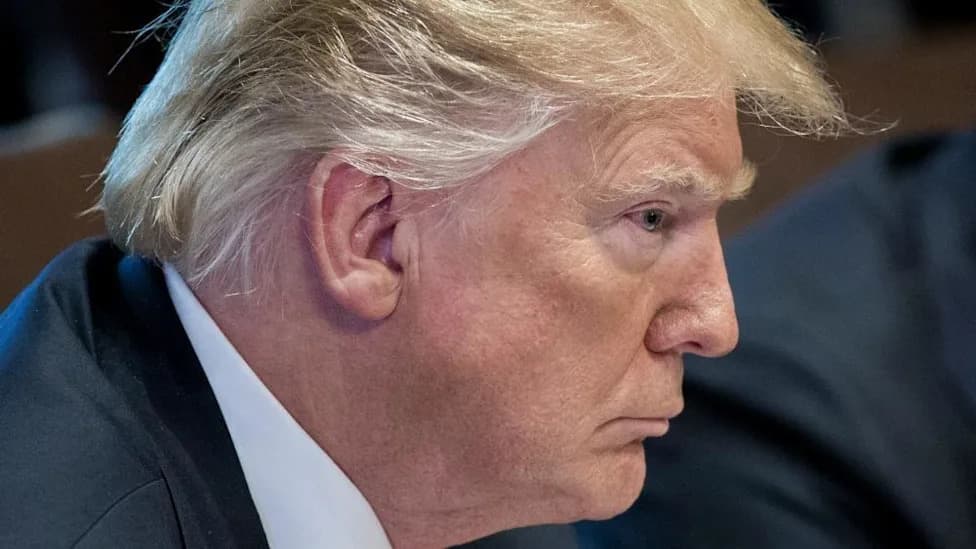
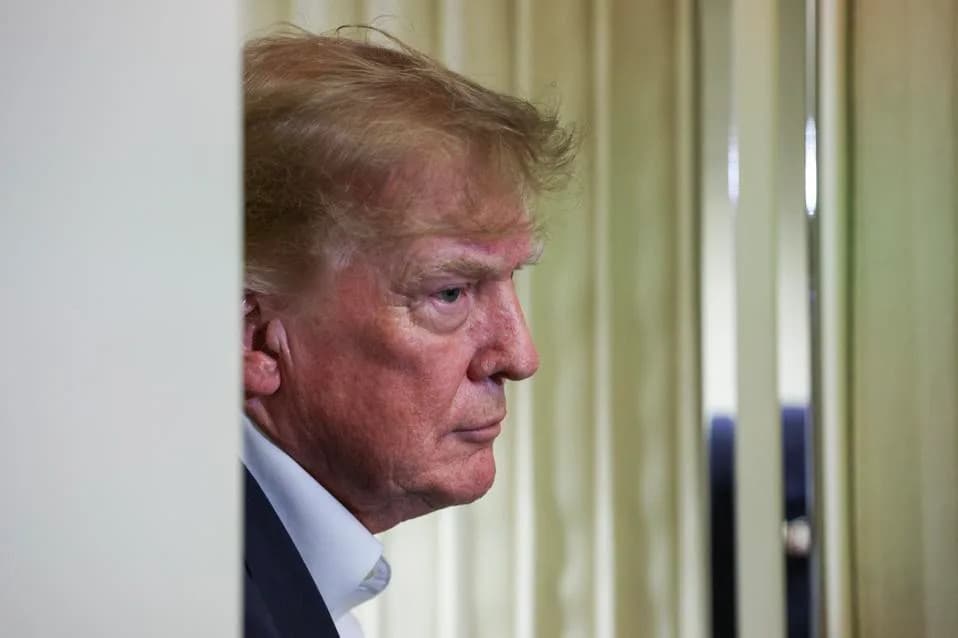
In a joint statement issued to clarify comments by former U.S. president Donald Trump that Washington had gained "permanent control" over Greenland's security, Copenhagen and Nuuk said the arrangement recognizes Greenland's territorial integrity and the right of the Greenlandic people to self-determination.
Greenland's prime minister, Jens-Frederik Nielsen, welcomed the outline of the proposed pact, saying the agreement "recognizes the sovereignty and territorial integrity of our kingdom and the right of the Greenlandic people to self-determination." Denmark's foreign minister, Lars Løkke Rasmussen, said the deal could smooth tensions and strengthen security in the Arctic and North Atlantic while respecting Danish red lines.
What the Deal Would Do — And What It Leaves Unsaid
Late on Friday, the three parties said they had reached an understanding that would enable the United States to develop a significant military footprint on Greenland and prevent strategic competitors from building bases on the island. The pact is expected to be signed during the United Nations General Assembly next week.
But key elements remain undisclosed, including the scale and duration of any U.S. deployment, the exact locations involved, and whether any formal authority over foreign policy or resource management would be transferred to Washington. Observers and local leaders say those specifics are crucial to assessing the long-term implications for Greenlandic autonomy.
Donald Trump: "The United States will FOREVER have the complete ability to do what is necessary in Greenland in order to secure and defend the security of Greenland, and the United States of America."
Strategic Context
U.S. interest in Greenland stems from national-security concerns, access to mineral resources — including rare earth elements — and control of emerging Arctic shipping routes. Greenland hosted a large U.S. military presence in the 1950s during the Cold War, and the United States still maintains facilities at the Pituffik (formerly Thule) base to monitor missile activity.
Mikkel Vedby Rasmussen, a political science professor at the University of Copenhagen, told Reuters the agreement "is probably not the end of President Trump's ambitions for Greenland and certainly not the end of U.S. strategic interest in the territory and its resources." He warned that ceding any formal powers to Washington could raise concerns among Greenlanders about replacing one external dependency with another.
Allies and NATO Reaction
The move has strained relations within NATO at times, prompting European allies to demonstrate military readiness in the Arctic earlier this year. A NATO spokesperson welcomed the reported framework, saying it could "help advance security, stability and cooperation in this vital region." Several European nations have signaled increased interest in Arctic security in response to rising great-power competition.
What Comes Next: The agreement's final text, expected at the UN General Assembly, will determine whether the framework is a short-term security arrangement or the start of a longer strategic shift. Until then, local leaders, allied governments and experts will be watching closely for details on force posture, legal arrangements and safeguards for Greenlandic self-rule.
Help us improve.