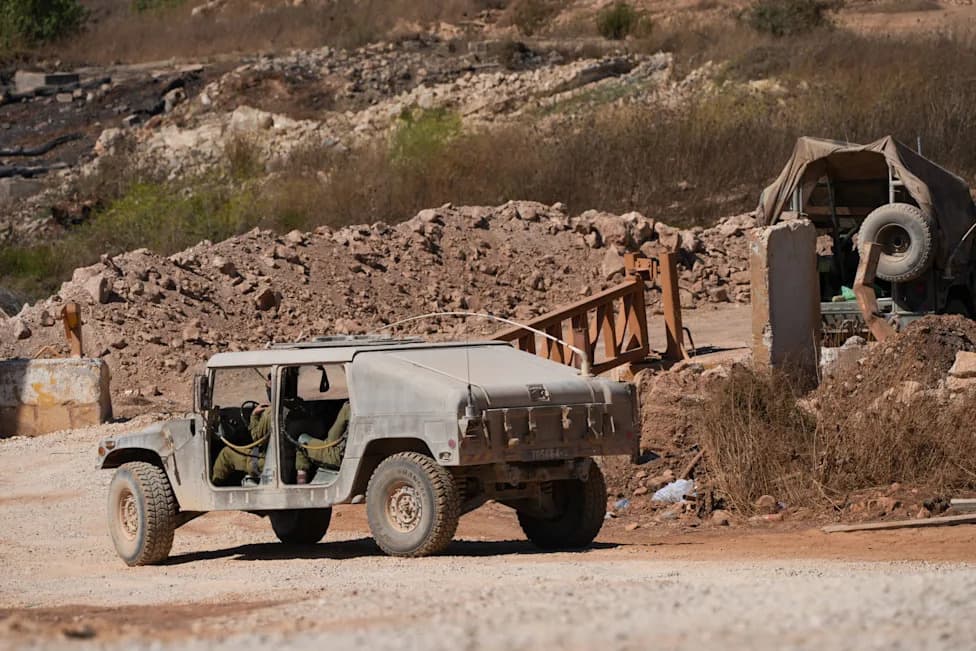
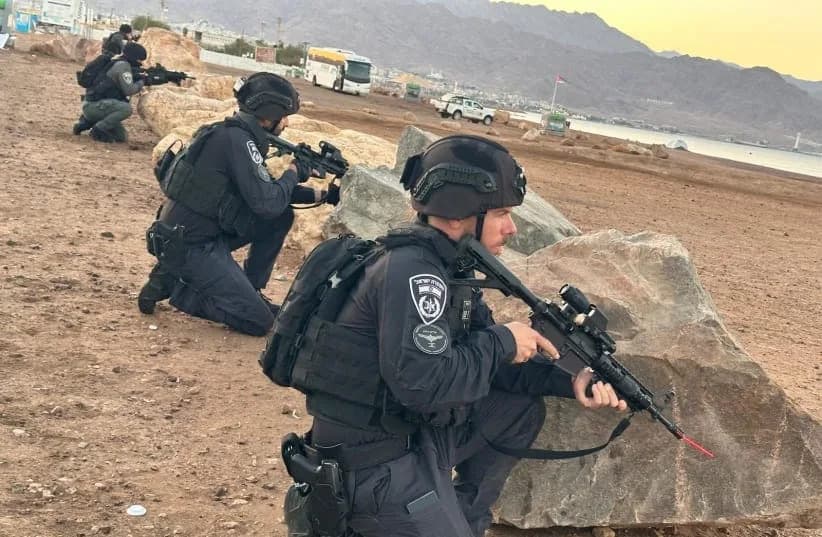
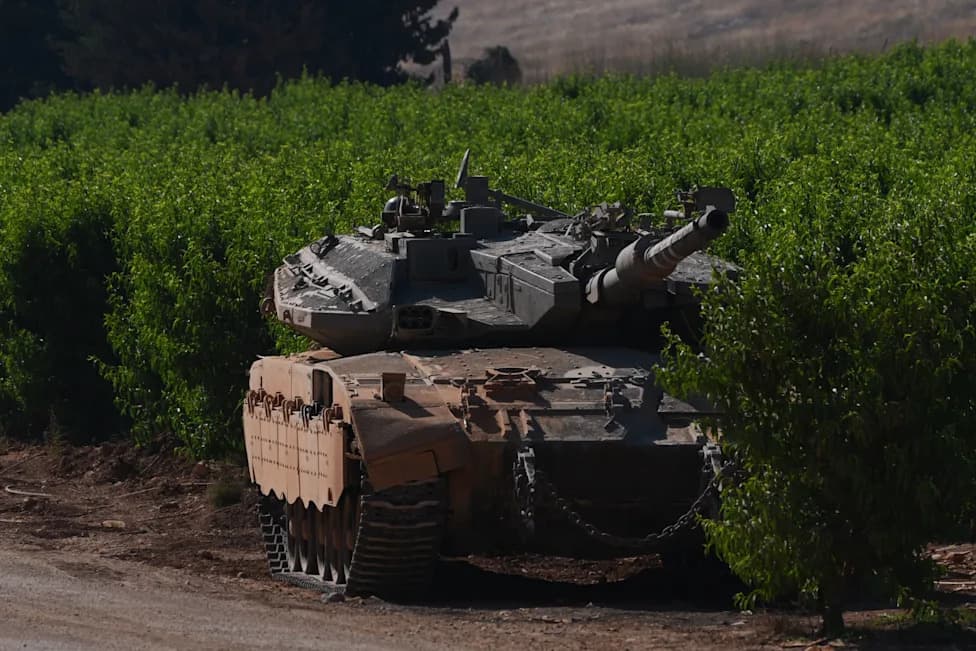
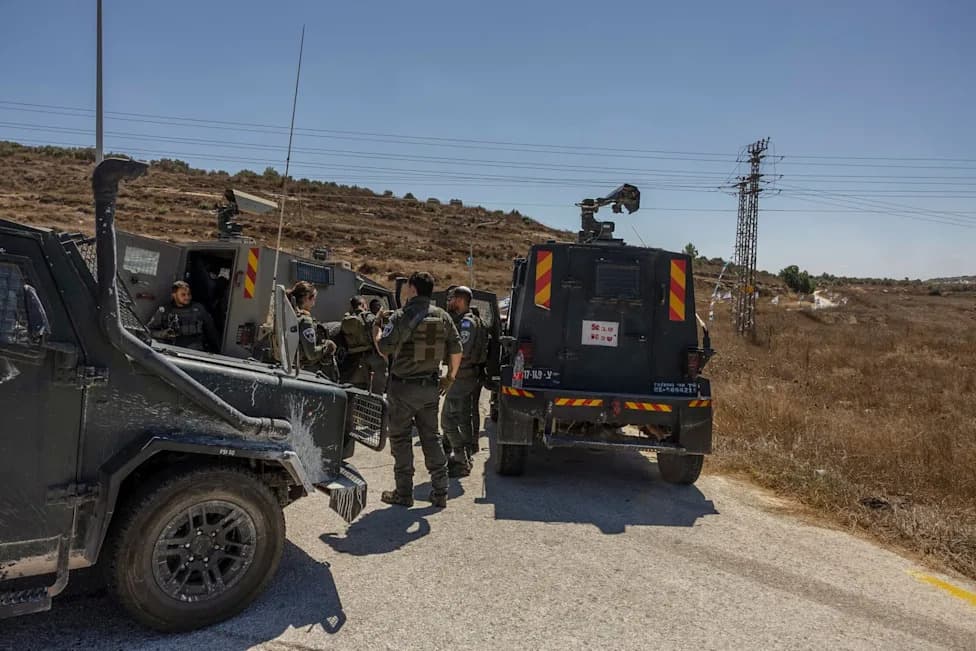
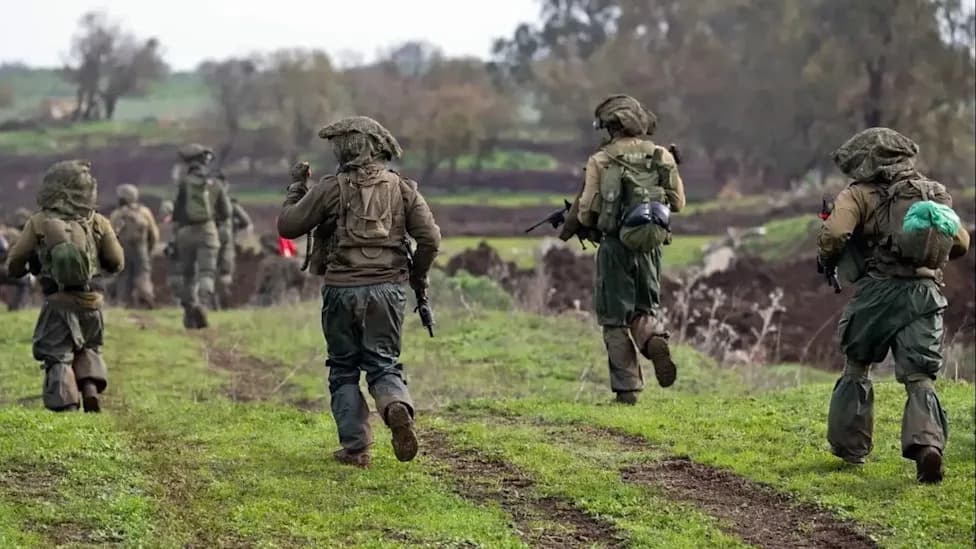
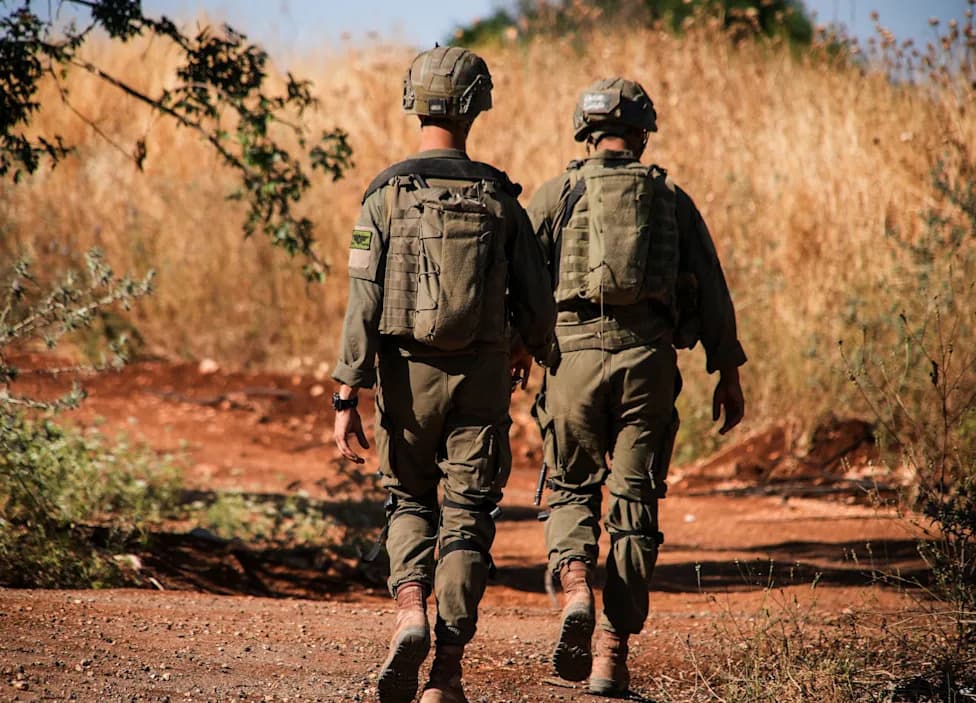
The IDF announced a comprehensive reform package after its review of failures on October 7, shifting doctrine to prioritize readiness for surprise multi‑front attacks and a stronger intelligence posture. Measures include more than doubling forces on alert, expanding reserves, repositioning outposts to better protect border communities, and granting field commanders greater autonomy. The Military Intelligence Directorate will prioritize advance warning, clarify responsibilities, and synchronize warning systems while preserving independent assessments. The conference was described as the start of a long-term review, with 2027 set aside to investigate the entire war.
IDF to Revamp Readiness and Intelligence After October 7 Failures, Zamir Says
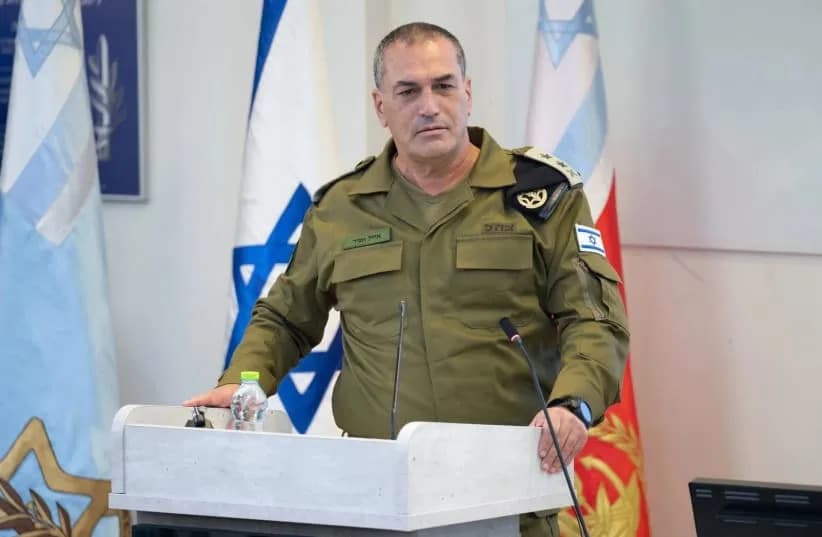
IDF Chief of Staff Lt. Gen. Eyal Zamir speaks at a conference of senior command staf at the Glilot IDF base on October 4, 2026. (photo credit: IDF SPOKESPERSON
The Israel Defense Forces announced a broad set of reforms after reviewing the failures surrounding the October 7 massacre. Presented at a senior-command conference led by Chief of Staff Lt.-Gen. Eyal Zamir, the measures aim to shift the IDF’s readiness doctrine toward preparing for surprise multi‑front attacks and to overhaul elements of the intelligence and warning systems.
Conference Overview
The conference, held at the Glilot base and attended by officers of brigadier-general rank and above from across the IDF’s commands, directorates and branches, opened with a moment of silence for the victims of October 7. Military leaders summarized the investigation findings and outlined how the IDF will implement recommended changes across four main areas: strategy, operations, force buildup and intelligence.
Core Doctrinal Shifts
The IDF will base readiness on what adversaries are capable of doing, rather than relying mainly on assessments of intent. The army says it must be prepared for simultaneous surprise attacks on several fronts even if deterrence and early warning fail. That shift will prioritize higher alert levels, larger reserves and proactive offensive measures to prevent threats from developing.
"One of our greatest lessons from October 7 is the need to expand our security margins," Zamir said. "We are building the IDF's strategy with preparedness for a surprise war as our reference scenario. This is our operational compass."
Operational and Force Changes
Data presented at the conference indicated the number of forces assigned to readiness and reserve roles has more than doubled across sectors. The IDF has created dedicated reserve and force-multiplier readiness arrangements and redistributed units and equipment to enable faster responses across areas of responsibility. Scenarios, defense plans and reserve deployments will be reviewed every six months and assessed across branches.
The army will expand surprise drills, extreme-event exercises and Chief of Staff readiness tests to improve the transition from daily routines to wartime operations. Regional commands will be given a stronger role in developing area expertise, with field commanders receiving greater operational independence to shorten decision cycles during fast-moving crises.
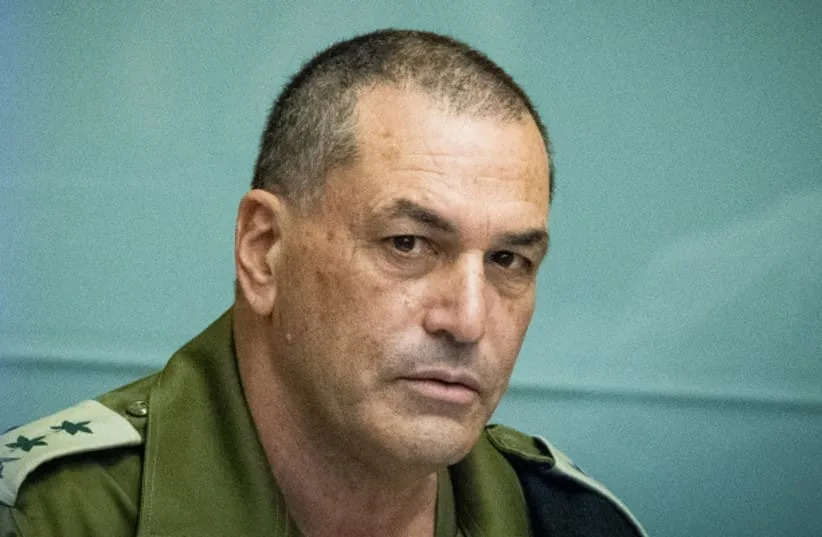
IDF Chief of Staff Eyal Zamir. (credit: YONATAN SINDEL/FLASH90)
Defending Border Communities
One major shift concerns communities near Israel’s borders, now defined by the IDF as "vital terrain and the object of defense." Military outpost locations will be adjusted to ensure proximity to population centers and the ability to reach and defend communities quickly, even with limited forces. The IDF plans to expand regional defense forces and local security units—including defense platoons, Yatam units, regional defense battalions and David brigades—and to clarify responsibilities and coordination between military and civilian authorities.
Intelligence and Warning Reforms
Advance warning has been redefined as a core mission of the Military Intelligence Directorate, alongside building a comprehensive picture of developments on the ground. The IDF intends to define intelligence responsibilities more clearly while allowing deliberate overlap between agencies to reduce blind spots and to formalize cooperative procedures. Each level of command will retain the ability to form independent assessments, while warning systems will be synchronized across fronts.
The IDF also committed to strengthening headquarters’ capacity to maintain situational awareness and operate under extreme uncertainty, deepening strategic and operational expertise, and fostering a culture that encourages critical questioning and dissent when concerns arise.
Recognition and Next Steps
During the conference, Zamir presented a certificate of appreciation to Chief Warrant Officer V. from Unit 8200, who warned before October 7 that Hamas was preparing a large-scale surprise attack. Zamir praised "intellectual courage and professionalism" and warned against a culture that suppresses critical thinking.
Zamir described October 7 bluntly: "On October 7, the IDF failed miserably," and added that the force subsequently "got back on its feet and proved itself to possess a determined spirit." He called the conference the "opening shot" of a larger review process and announced that 2027 will be designated to investigate the entire war and to compile comprehensive lessons learned, including the completion of inquiries such as Operation Roaring Lion.
What This Means: The announced reforms aim to increase the IDF’s strategic depth, speed of response and resilience against surprise, multi‑front threats, while improving intelligence coordination and empowering commanders in the field.
Help us improve.