Volunteer divers and a team of about 20 scientists began a major 2024 underwater excavation of submerged ruins in Lake Issyk-Kul, Kyrgyzstan, funded by the Russian Academy of Sciences. The site may span up to five square kilometres and shows signs of early Islamisation, including two cemeteries and a decorated public building that might be a mosque, bath or school. Finds such as animal bones, pottery and a child's "tuvaq" chamber pot will help date the site and reveal daily life; researchers suspect a seismic event—like a landslide or tectonic dam—caused the flooding.
Sunken Silk Road City in Lake Issyk-Kul Reveals Lost Chapters of Central Asian History
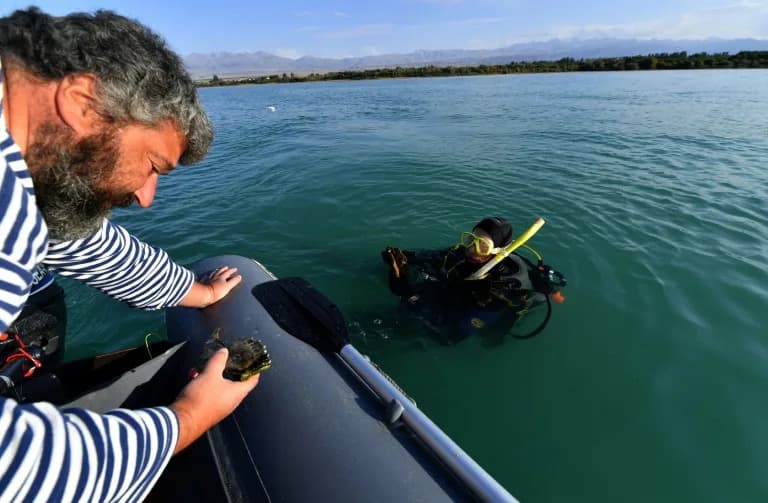
Little is known about the history of the settlement under Kyrgyzstan's largest lake (Vyacheslav OSELEDKO)
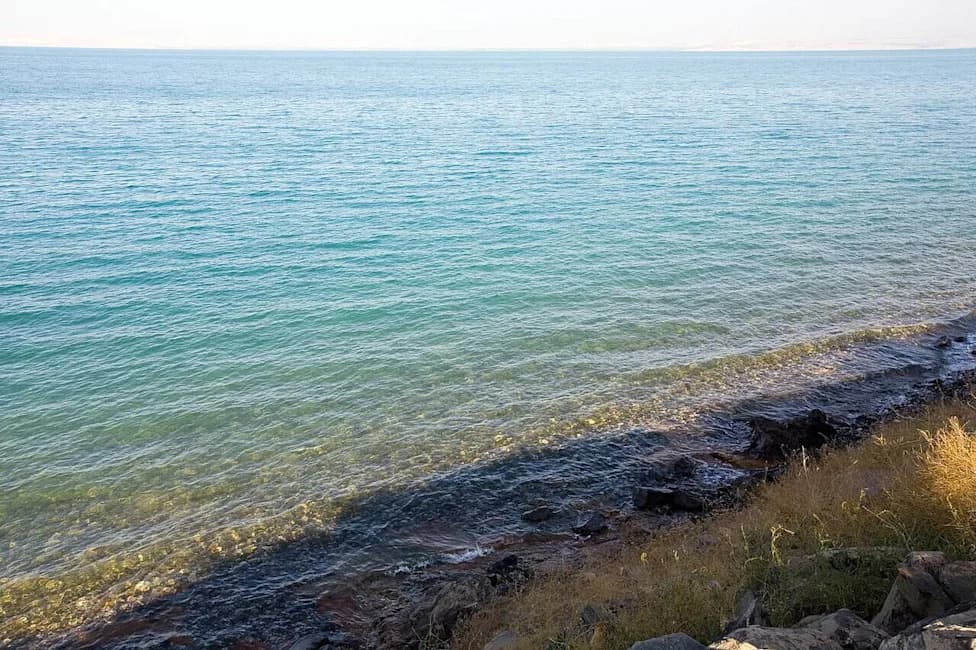
The sun had barely crested the horizon when volunteer diver Elizaveta Bodrova prepared to enter the cold waters of Lake Issyk-Kul to investigate the ruins of a city that have rested beneath the surface for centuries. Working with roughly 20 scientists, she is part of a 2024 project funded by the Russian Academy of Sciences—the first major systematic study of the site since it was first noted by researchers in the 19th century.
Blind Spot in History
Positioned on an ancient trade corridor linking China and Europe, the submerged settlement sits at the heart of what is traditionally known as the Silk Road. Although modern images of the region often emphasize nomadic cultures, present-day Kyrgyzstan was also home to settled, trading civilizations, including Turkic dynasties that connected East and West.
"This is effectively a blind spot in the historical record, despite being centrally located in Central Asia," expedition director Maxim Menshikov said as he steered a boat over the site.
What the Team Has Found
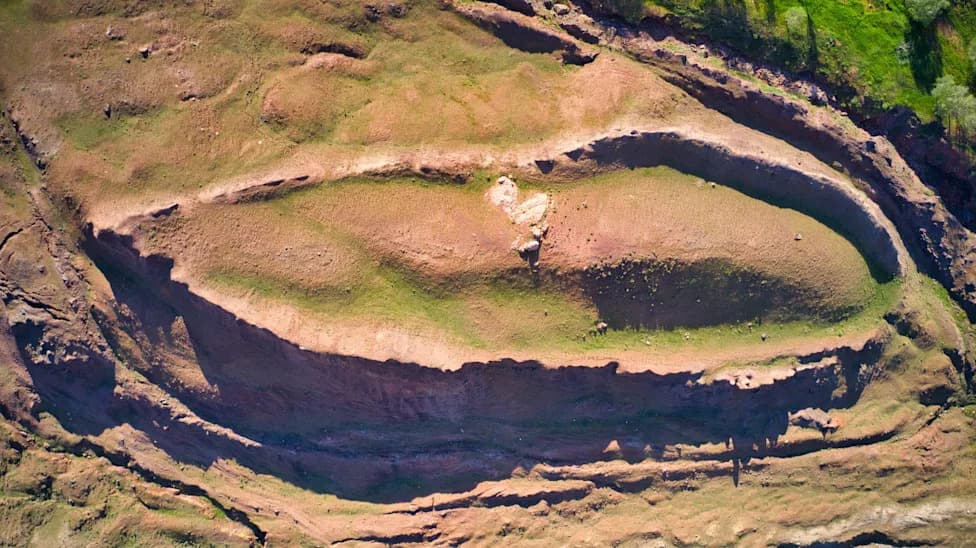
Researchers estimate the city may have covered up to five square kilometres (nearly two square miles). Underwater surveys and dives have revealed traces of two cemeteries—evidence consistent with construction during the early phase of Islamisation in the region—and a decorated public building that could be a mosque, a public bath or a religious school.
Divers have recovered animal bones, which will help specialists identify species, diet and approximate ages of the remains, and pottery shards that can refine dating and indicate production techniques and trade connections. One well-preserved find is a child's chamber pot known locally as a "tuvaq," an everyday object that links the site to living traditions across Central Asia and the Caucasus.
How Might the City Have Sunk?
The exact cause of the submergence remains uncertain. Theories include a sudden landslide or gradual flooding caused by a tectonic dam formed after seismic activity. "The most likely explanation is a past seismic disaster," said Andrei Strelnikov, a geologist with the Russian Academy of Sciences, though work to confirm the timeline and mechanism is ongoing.
Why It Matters
Dating the site is challenging, but stylistic, archaeological and burial evidence suggests the settlement may have flourished under Karakhanid-era influence, roughly between the 9th and early 13th centuries. The excavation could reshape understanding of trade, urban life and cultural exchange in medieval Central Asia and the wider Eurasian world—filling a significant gap in the historical record.
Back at base, finds are carefully conserved, catalogued and analyzed. As underwater surveying continues, archaeologists hope to map the settlement's boundaries, recover more artefacts and constrain the timeline of its rise and dramatic submergence.
Help us improve.