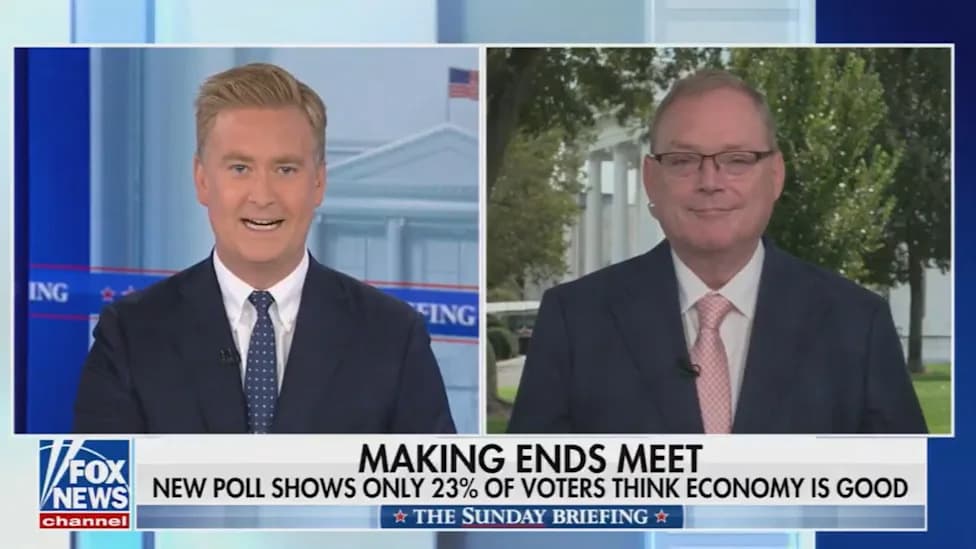
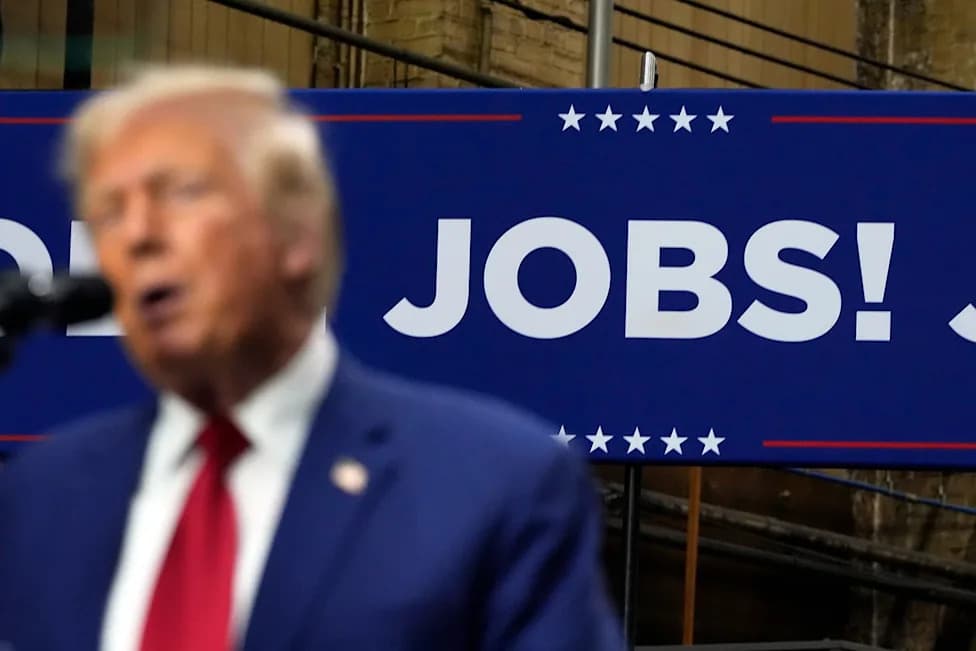
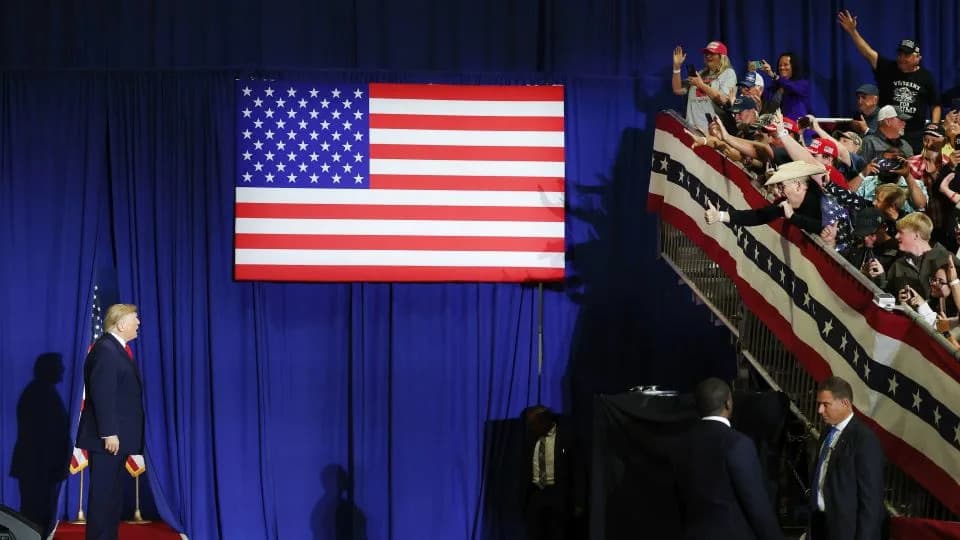
Kevin Hassett, director of the White House National Economic Council, told CNN that widespread voter unhappiness with the economy "would show up in the data." His remarks came after the Bureau of Labor Statistics reported the U.S. added 29,000 jobs in September, and after the University of Michigan found a four-point drop in consumer sentiment. Hassett called that poll flawed and pointed to rising housing activity and income growth as signs of strength, while critics note payroll revisions and higher gas prices are fueling voter dissatisfaction ahead of the midterms.
Hassett Says Voter Unhappiness 'Would Show Up in the Data' — But Polls and Job Numbers Tell a Different Story

White House National Economic Adviser Kevin Hassett said if people were mad about the economy, the data would show it. (Reuters)
White House National Economic Council Director Kevin Hassett told CNN that if Americans were broadly unhappy with the economy, it would appear in official statistics — comments that drew skepticism as multiple polls and recent labor data suggest mounting public unease.
The exchange took place on CNN's State of the Union with Jake Tapper, two days after the Bureau of Labor Statistics reported the U.S. economy added just 29,000 jobs in September, a figure about 60,000 fewer than many economists had forecast and part of a downward revision that trimmed July and August payrolls by a combined 60,000.
Hassett's Defense: "Look at the Data"
When Tapper pointed out that many voters do not feel the economy is strong, Hassett cited the University of Michigan Survey of Consumers and argued that party identification explains much of the disagreement. He said:

White House National Economic Adviser Kevin Hassett said if people were mad about the economy, the data would show it. (Reuters)
"The Republicans who are surveyed say the economy is great. Democrats who are surveyed say the economy is like the worst since the Great Depression, and the Independents agree with the Democrats."
The University of Michigan survey did show a four-point drop in overall consumer sentiment in September. The survey also reported that Republican sentiment is roughly 20 percentage points lower than in January, while Democratic sentiment has fallen about 13 points over the same period.
Hassett dismissed the Michigan poll as flawed, saying many independents were effectively counted with Democrats in that survey, and reiterated his core claim:
"If people were unhappy, it'd show up in the data."
Tapper pushed back: "It seems to be showing up in the data, just not the data you're looking at."
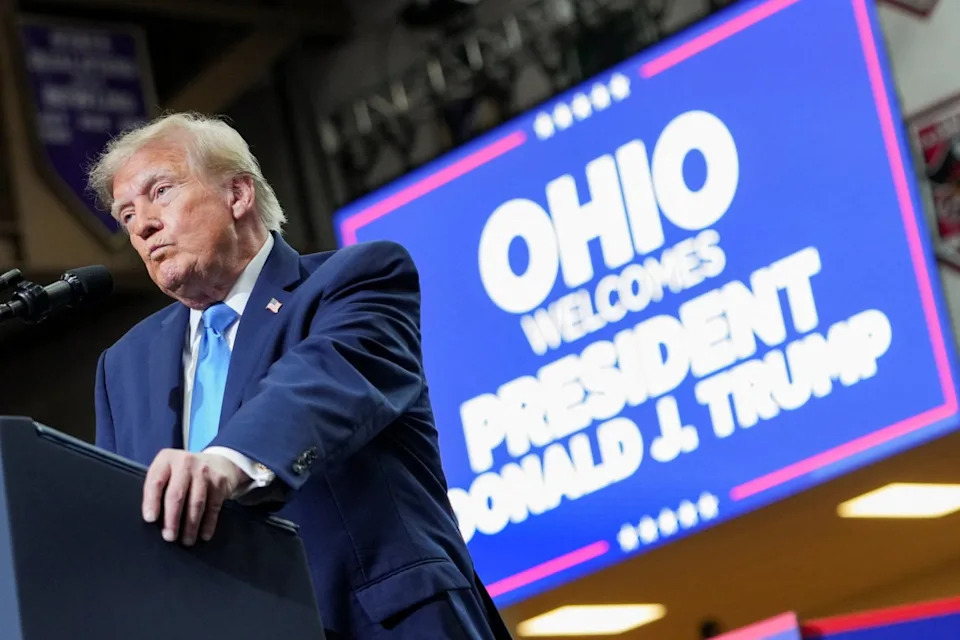
President Donald Trump has complained about the fact voters are dissatisfied with the economy (Reuters)
Housing, Rates and Broader Context
Hassett pointed to recent housing activity and income growth as evidence the economy remains resilient: housing starts and building permits rose over the summer, and income growth has outpaced mortgage-rate increases. He acknowledged mortgage rates rose to around 7% this year — far above former President Trump's campaign claim he could drive rates down to 3% — but argued that as inflation eases toward the Fed's 1–2% range, mortgage rates will trend lower.
Tapper noted that the weak September payroll gain was not an isolated datapoint and reminded viewers the BLS had revised prior months downward. Critics say those revisions, together with surging gasoline prices tied to the war in Iran, have eroded public confidence and helped produce a Democratic polling advantage ahead of the midterm elections.
Outside the Interview
On Fox News, former NEC chair Larry Kudlow offered a more optimistic take, praising the administration's impact on manufacturing and claiming about 112,000 people are now working building factories since President Trump took office — a figure Kudlow said included roughly 12,000 roles counted in the recent jobs reports.
What To Watch
- Upcoming jobs reports and inflation readings, which could either reinforce or undercut the administration's "hard data" argument.
- Consumer sentiment and gasoline prices, which remain key to voter perceptions ahead of the midterms.
- How revisions to payroll data affect the narrative about U.S. labor-market strength.
Bottom line: Hassett insists hard economic indicators show strength, but recent payroll numbers, poll declines in consumer sentiment and broader cost-of-living pressures leave many voters unconvinced.
Help us improve.