Andrew Jones, a Welsh triathlete bound for the Ironman World Championship, was hospitalised with Campylobacter after swimming in contaminated open water. Triathlon Cymru’s new Safer Blue Spaces project is trialling coin-sized wearable passive samplers attached to wetsuits to collect route-specific water samples. The devices offer more detailed detection of pathogens than traditional single-point testing, with samples analysed at Bangor University. Organisers hope the data will be shared with environmental and public-health bodies to improve water quality and athlete safety.
Triathlete Hospitalised After Swimming In Polluted Open Water — Wearable Samplers Trialled To Detect Pathogens
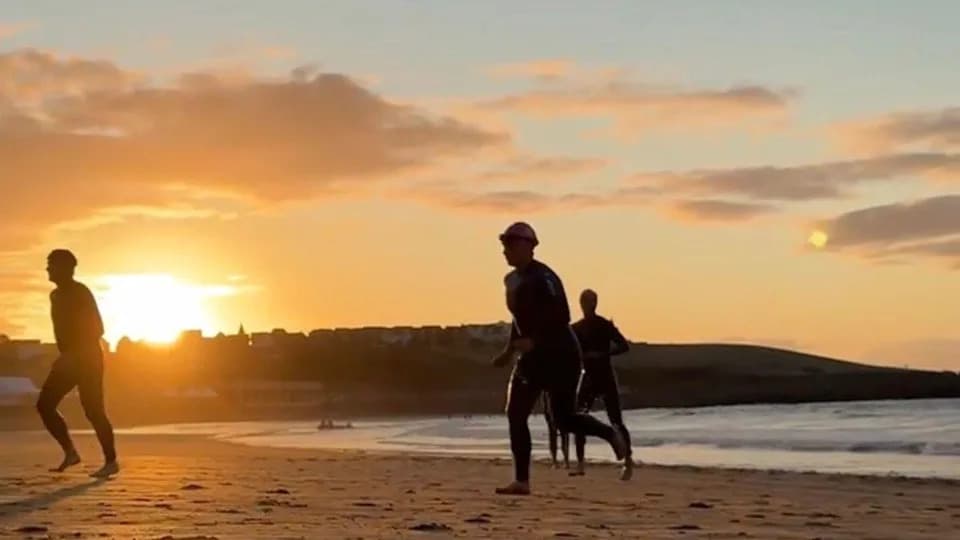
Triathlon Cymru has been working on a project to monitor water quality for athletes during open-water swimming events [BBC]
A triathlete who competes internationally has warned that chasing sporting dreams can carry real health risks after an open-water swim left him seriously unwell and requiring hospital treatment.
Andrew Jones, from Carmarthen, who earned a place at this month’s Ironman World Championship in Kona, Hawaii, fell ill after swimming in water he described as "dirty." He was later diagnosed with Campylobacter, a bacterial infection commonly associated with contaminated water. Jones said the illness struck quickly: rising temperature, a racing heart and uncontrollable shaking, which led him to attend A&E.
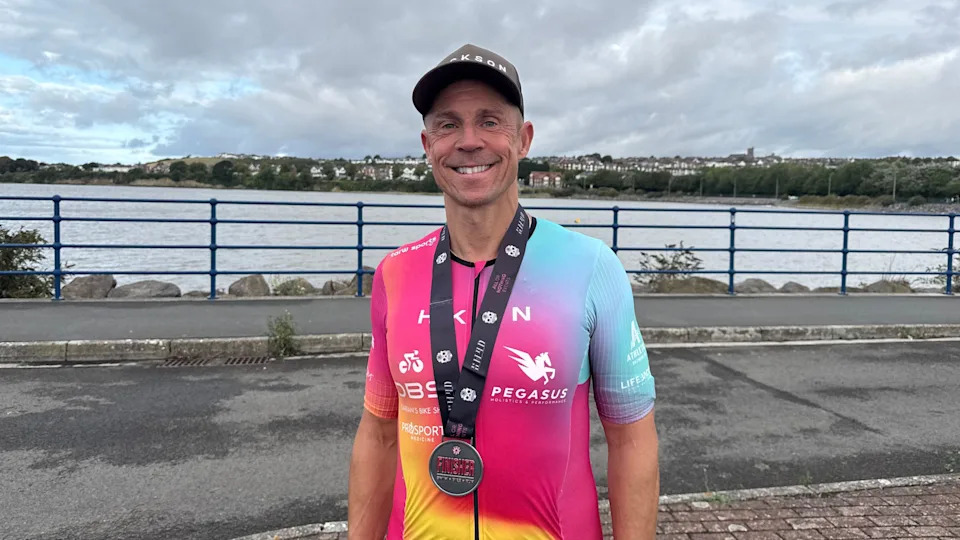
Andrew Jones says becoming unwell makes him unsure about swimming in the polluted area again [BBC]
"Contracting Campylobacter from polluted water was pretty nasty," Jones said. "It made me very sick. The timing was awful — just over a week before one of the biggest races of my life."
In response to incidents like this, Triathlon Cymru has launched the Safer Blue Spaces project in partnership with Swim Wales, Bangor University and Imperial College London, with funding from the Admiral insurance group. The initiative aims to produce more reliable, route-specific data on water quality at sporting events across Wales.
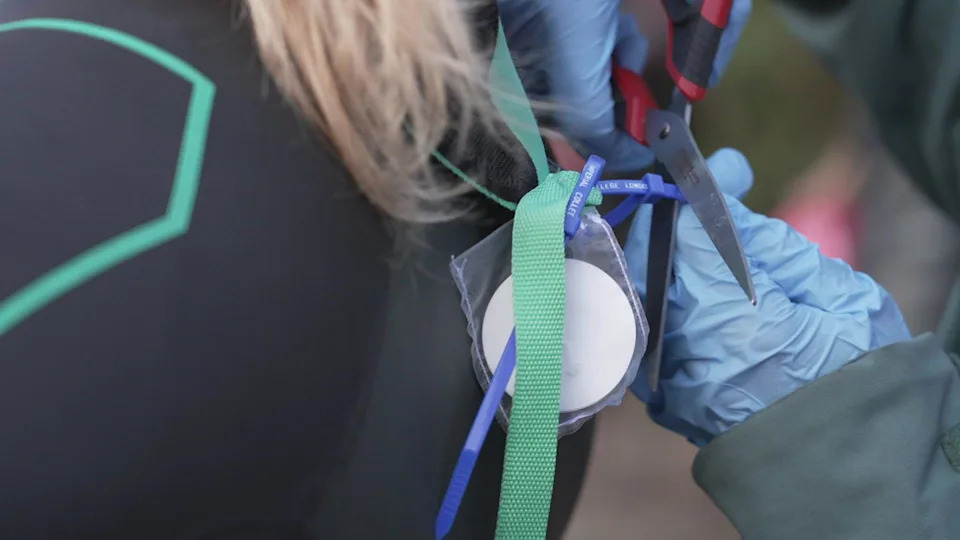
The Safer Blue Spaces project monitors water quality at sports sites across Wales using wearable passive samplers [BBC]
At the Barry SWYD Sprint Triathlon, race technicians briefly stopped some competitors to attach small passive sampling devices — roughly the size of a 50p coin — to the backs of wetsuits. Unlike traditional race-day tests that collect one or two fixed samples shortly before an event, these wearable samplers travel the exact route swimmers take, capturing a detailed record of contaminants encountered along the course.
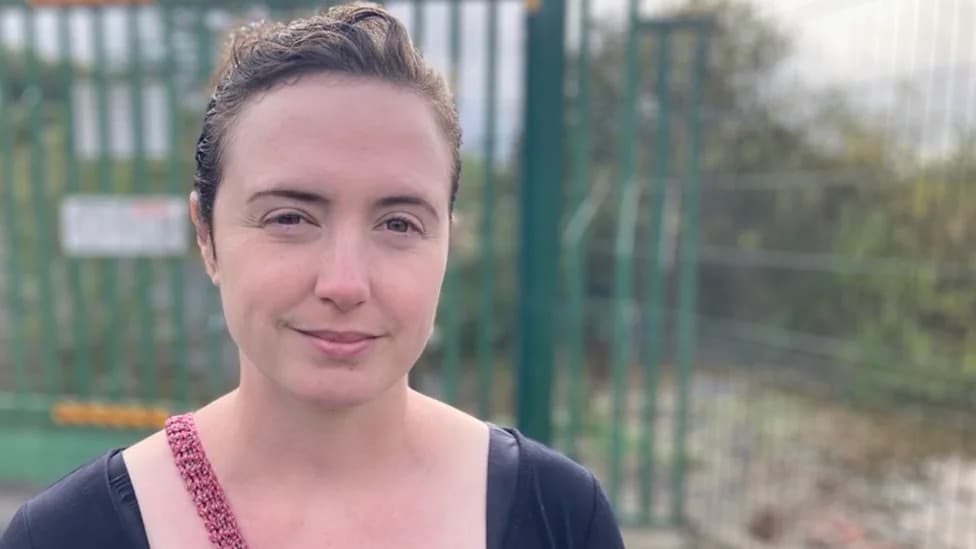
Amy Jenner, Triathlon Cymru’s Head of Development, said: "Knowing what's in our water is really important because we're putting athletes in the water. Wales hosts around 60 events a year, so we need accurate information to brief competitors, work with organisers and inform bodies such as Natural Resources Wales and Public Health Wales."
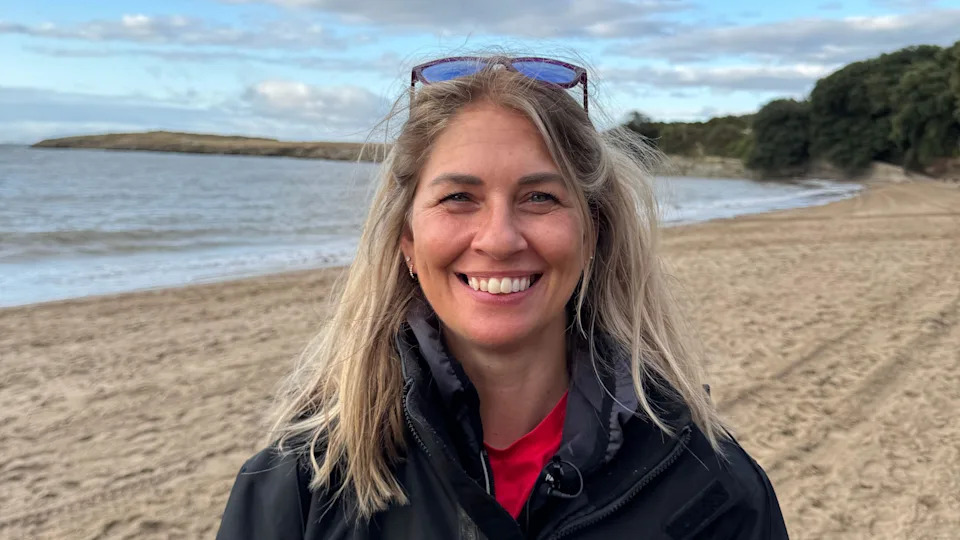
Amy Jenner, Triathlon Cymru's head of development, says "knowing what's in our water is really important" [BBC]
After the swim leg, technicians remove the devices and send them to Bangor University for laboratory analysis. Kate Herridge, a PhD student working on the project, explained that the team concentrates material captured by the samplers and tests for pathogens that may have adhered to them.
"We’re able to take them off, concentrate them and then detect what’s present within them," Herridge said.
Triathlon Cymru hopes the Safer Blue Spaces data can be shared with environmental agencies and water companies to improve understanding of contamination in seas, lakes and rivers and to inform efforts to raise water quality and athlete safety. Organisers say the trial is a promising step toward reducing the risk of waterborne illness at open-water events.
Practical takeaway: Athletes and organisers should treat open-water conditions seriously — improved testing that follows swimmers’ actual routes can reveal localized contamination that single-point sampling might miss.
Help us improve.