Rescue excavations at Aigai's necropolis in Turkey have revealed at least 30 rock-cut and chest-type tombs, with 10 fully uncovered so far. The site, dated to the Hellenistic period (323–31 BCE) by excavation director Associate Professor Faris Demir, produced terracotta sarcophagi, pottery fragments and tear bottles likely used as grave offerings. Aigai may have been founded by Macedonian soldiers who served under Alexander the Great, raising the possibility that some graves belong to his veterans, but experts stress that further study is needed before making definitive claims. Recovered artifacts will be conserved and displayed at the Adana Museum.
Archaeologists Uncover 30 Hellenistic Tombs Near Ancient Turkish Port — Could Some Belong to Soldiers of Alexander the Great?
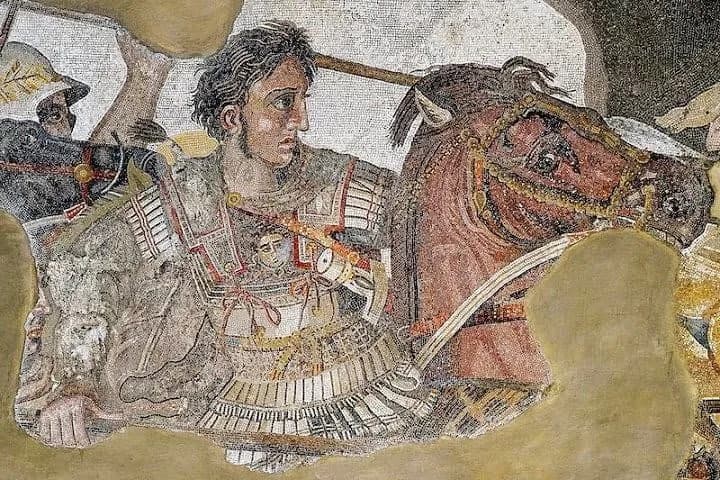
Mosaic showing Alexander the Great on a horse, June 25, 2026. (photo credit: Screenshot/X/@MehmetNuriErsoy)
Rescue excavations at the necropolis of the ancient city of Aigai (Aeolis) in western Turkey have revealed a cluster of Hellenistic burials that may be linked to soldiers who served under Alexander the Great, the state-run Anadolu Agency (AA) reported.
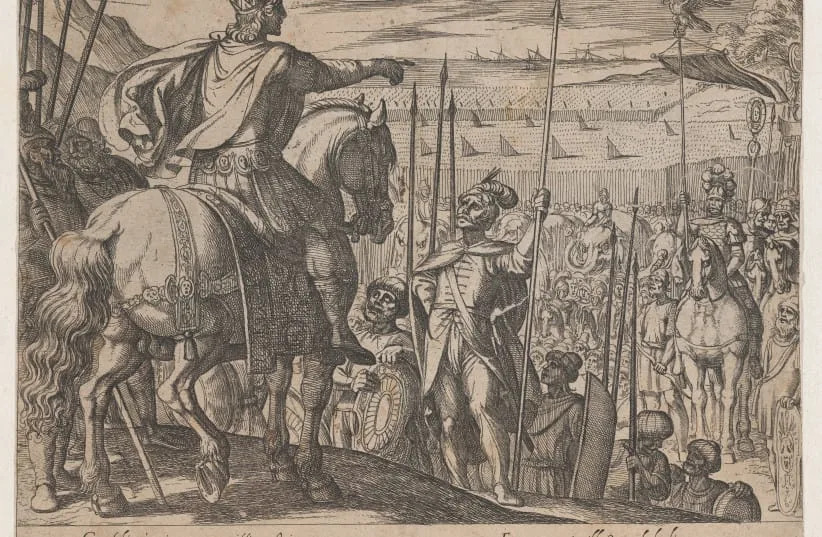
Plate 3: Alexander Instructing his Soldiers, from The Deeds of Alexander the Great, 1608. Artist Antonio Tempesta. (credit: Heritage Art/Heritage Images via Getty Images)
Excavation work and context
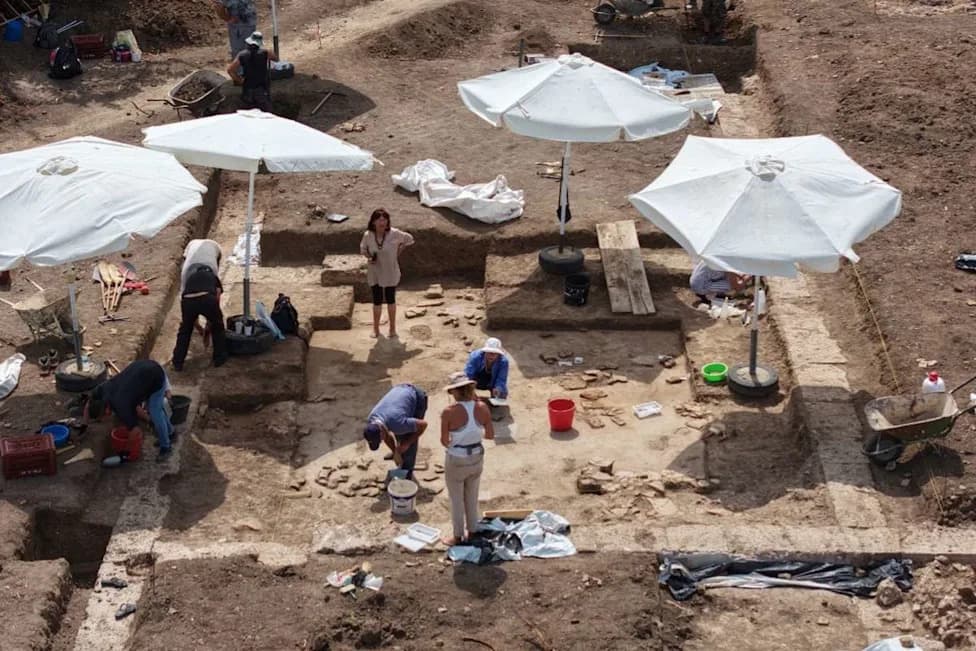
Coordinated by Turkey's Culture and Tourism Ministry and led by the Adana Museum Directorate, the rescue excavations focus on the section of the cemetery closest to Aigai's ancient port. An initial survey identified at least 30 rock-cut tombs and chest-type graves scattered across the hillside; so far, archaeologists have fully exposed 10 of those burials.
Tomb architecture and finds
The rock-cut tombs are hewn directly into the slope and feature narrow corridors and staircases descending to burial chambers where stone platforms mark former body placements. The chest-type tombs were finished with lime mortar and several retain decorative rosette motifs. Teams also recovered terracotta sarcophagi, pottery fragments and small "tear bottles" interpreted as grave offerings. These finds are being conserved and, after restoration and analysis, are expected to be displayed at the Adana Museum.
Dating and historical significance
Associate Professor Faris Demir, director of the excavations, dates the necropolis to the Hellenistic period (323–31 BCE). He noted the cemetery continued in use into the Roman era and that much of the visible damage likely accumulated from the Middle Ages onward.
Regional history links Aigai to Alexander's campaigns: the surrounding area is thought to be where Alexander prepared for the Battle of Issus in 333 BCE, and Demir has suggested Aigai may have been founded by Macedonian soldiers who served under Alexander. That raises the possibility that some of the newly uncovered tombs could belong to those veterans, but Demir and his team emphasize that further study — including detailed analysis of burial practices, artifacts and any inscriptions — is required before definitive attributions can be made.
Wider heritage developments
Separately, earlier this year Turkey formally registered the Battlefield of Granikos as a protected "Historical Site." Culture and Tourism Minister Mehmet Nuri Ersoy said the designation will help safeguard cultural heritage, support historical research and boost cultural tourism in the Çanakkale region.
Note on interpretation: While the finds and the historical context make a connection to Alexander's veterans plausible, current evidence is not sufficient to conclusively identify the tombs as those of Alexander's soldiers.
Help us improve.