Forest officers in Kutch recorded an Afro-Asian sand snake (Schokari Sand Racer) near Kala Dungar on Sept. 6 — the first confirmed regional sighting in over 150 years. Range Forest Officer Jayesh Dumadiya photographed and filmed the snake at about 7:30 p.m., and experts verified the identification. The Gujarat Forest Department plans to document the finding and submit it to scientific journals, which could formally update Kutch's species records and aid conservation planning.
Afro-Asian Sand Snake Rediscovered in Kutch After More Than 150 Years
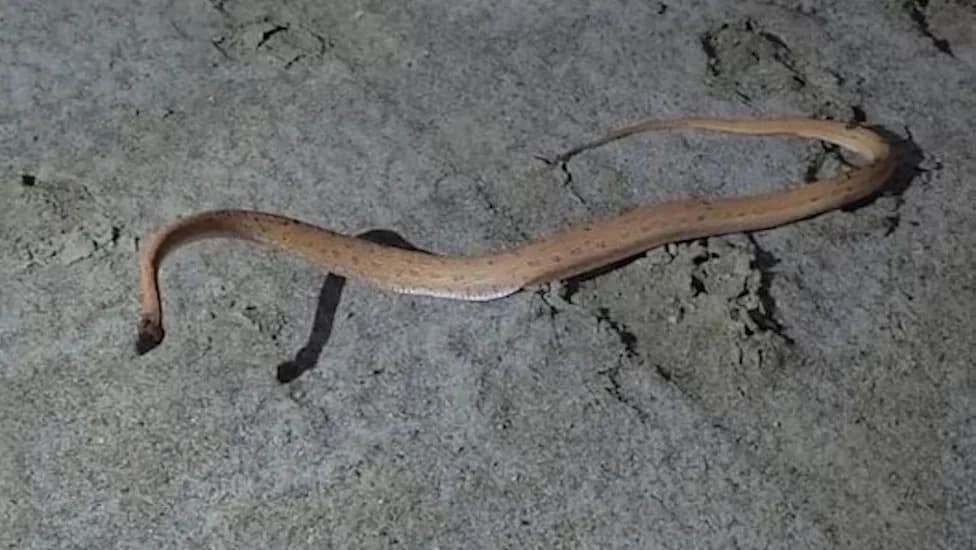
Photo Credit: Gujarat Forest Department
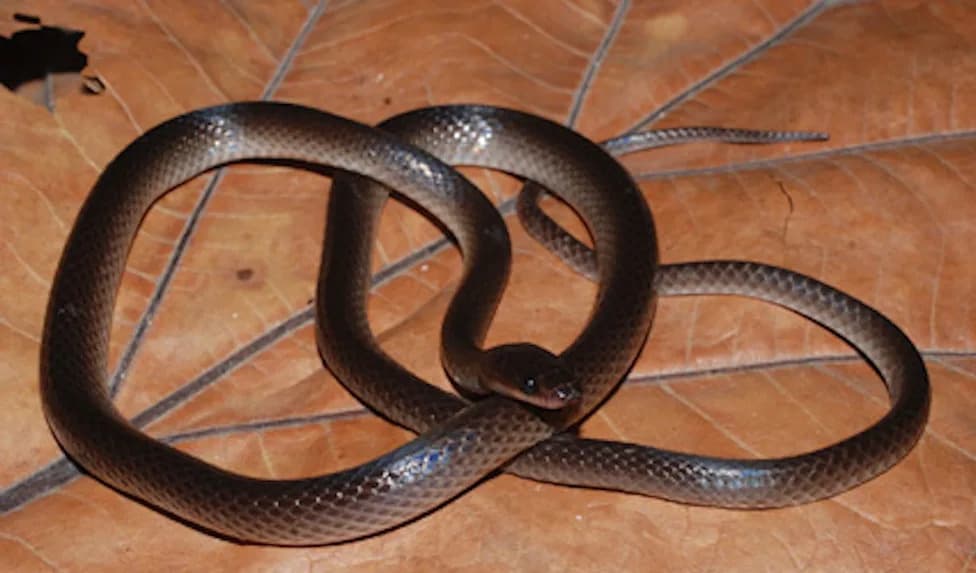
During a routine patrol on the evening of September 6, forest officers in Gujarat's Kutch district documented an Afro-Asian sand snake (Schokari Sand Racer) near Kala Dungar outside Bhuj — the first confirmed regional record in more than 150 years.
The Bhuj North Range team was returning from patrol at about 7:30 p.m. when they stopped for a common black-headed royal snake on the road. While handling that snake, Range Forest Officer Jayesh Dumadiya, who was newly posted to Kutch, noticed a second, slimmer reptile nearby. He photographed and filmed the animal and sent the material to specialists for identification.
Herpetologists confirmed the specimen as the Afro-Asian sand snake, a species adapted to arid, sandy habitats and known to prey on rodents and lizards. Although mildly venomous, the species is generally not considered dangerous to people.
Historical Context and Significance
In India, the sand racer has been associated with dry landscapes in Rajasthan and Gujarat. Kutch had no unambiguous records since Czech naturalist Ferdinand Stoliczka collected specimens there in 1871–72, making this modern sighting especially noteworthy for the region's scientific record.
Why It Matters
Long gaps in confirmed sightings can create blind spots for conservation planning, land management and public awareness. Because this encounter was captured in photos and video, it moves beyond anecdote and provides verifiable evidence that can be compared with 19th-century specimens and other records.
The Gujarat Forest Department has said it will document the sighting in more detail and submit the records to scientific journals. Formal publication could update Kutch’s species list and inform local conservation priorities.
Broader Context
Similar rediscoveries elsewhere illustrate how routine fieldwork can reveal elusive species: recent findings in China and India include secretive mountain-forest snakes in Fujian, a rare snake sighted in Dudhwa, and a species in Sichuan rediscovered after decades. These cases underline the value of persistent survey work and photographic evidence.
Key takeaway: Simple, routine patrols and careful documentation can produce scientifically important discoveries and help close long-standing gaps in regional biodiversity records.
Help us improve.