Retired Vice Admiral Robert Harward told Newsmax that Iran has waged asymmetric operations against the U.S. for decades and urged sustained pressure until Tehran's regime changes. The Pentagon has dispatched a third carrier strike group and an amphibious ready group; three carriers and two amphibious groups are expected near Iran by late November. Harward and retired General Wesley Clark advocated continued sanctions, naval blockades and targeted strikes — and warned to prepare for Iranian reprisals. Both said President Trump is likely to act after the midterm elections.
Ret. Vice Adm. Harward Says Trump Likely To Strike Iran After Midterms As U.S. Builds Carrier Presence
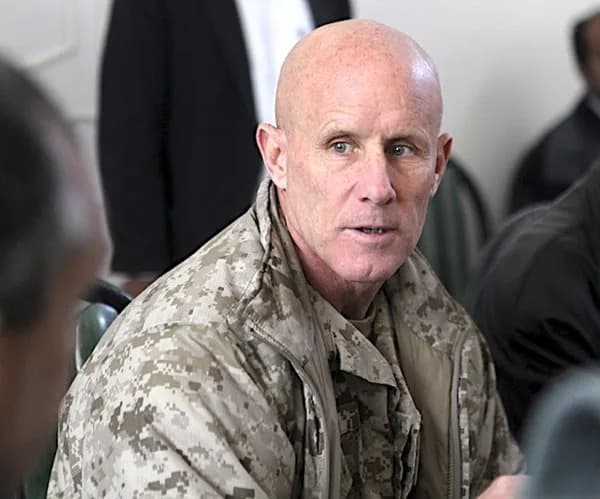
Retired Navy Vice Adm. Robert Harward (AP)
Retired Navy Vice Admiral Robert Harward, a former SEAL and one-time deputy commander of U.S. Central Command, told Newsmax's "Saturday Agenda" that Iran has waged asymmetric campaigns against the United States for decades and that sustained pressure should continue until Tehran's regime changes.
Harward appeared on the broadcast with retired General Wesley Clark, the former NATO supreme allied commander, as the Pentagon dispatched a third aircraft carrier strike group to the Middle East and President Donald Trump signaled possible renewed strikes on Iran after the November midterm elections.
"Iran's been at war with us asymmetrically in operations like this for decades now," Harward said. "They've used agents, they've used surrogates, they've gone after our cyber activities."
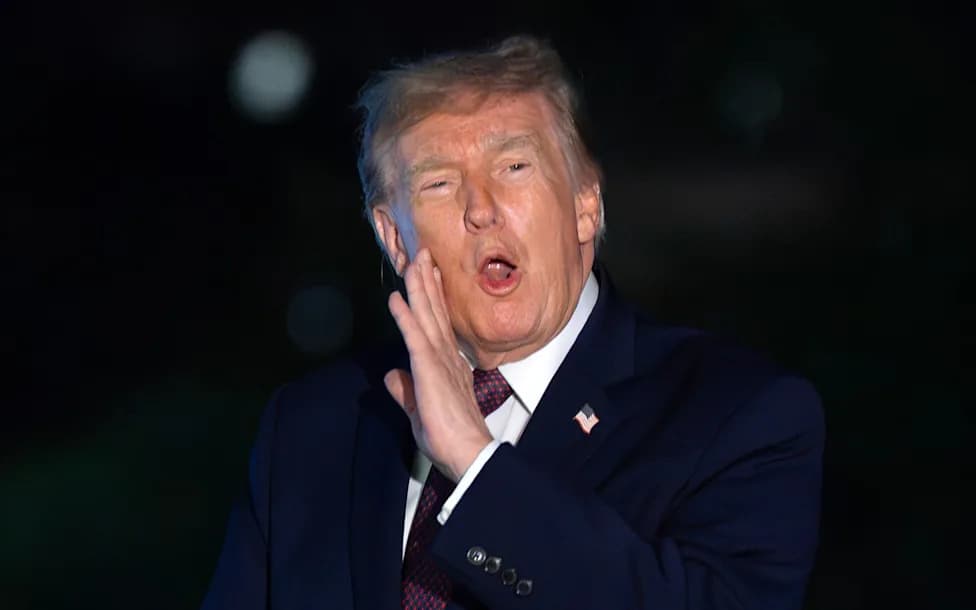
Harward tied the deployment to an attempted hijacking of a FlyDubai flight bound for Israel, an incident in which authorities say a co-pilot stabbed the aircraft's captain. President Trump told reporters Iran would be hit "very hard" if investigations find a link to Tehran.
U.S. Forces Moving Into Position
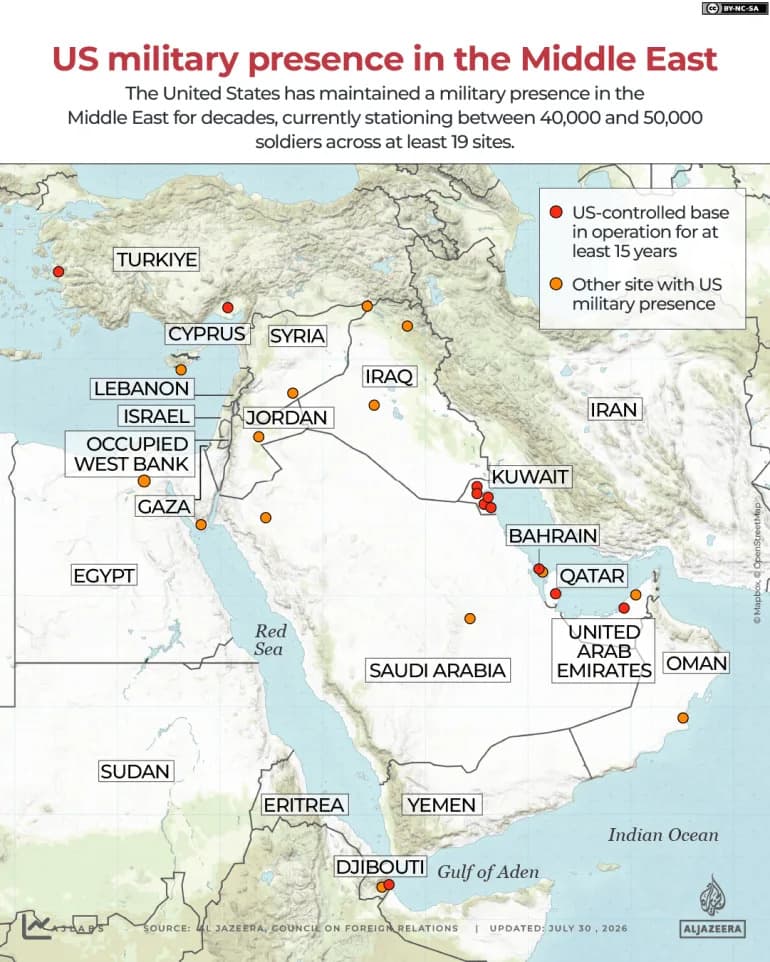
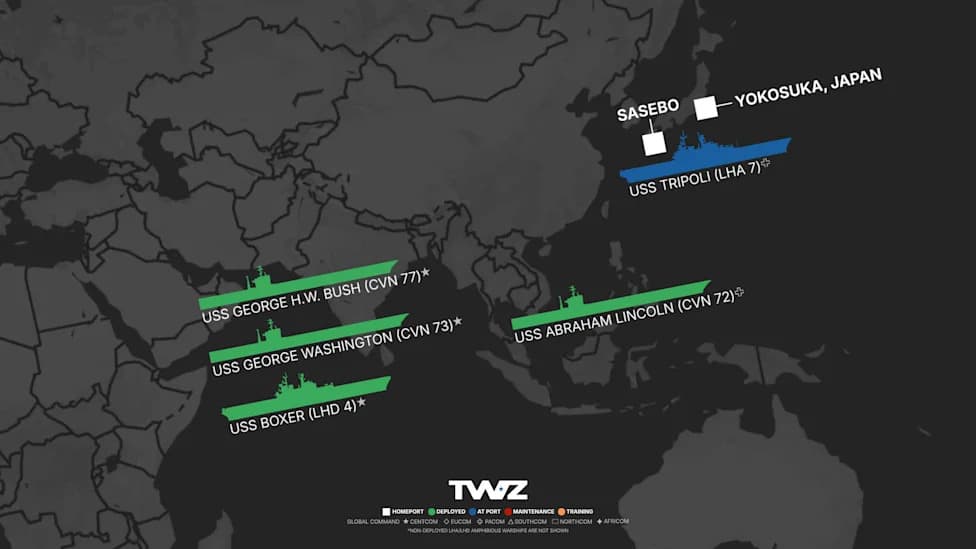
Officials told Al Jazeera that the USS Theodore Roosevelt strike group departed San Diego, followed by the Makin Island Amphibious Ready Group, which is carrying more than 2,000 Marines. U.S. officials expect three carrier strike groups and two amphibious groups to be positioned near Iran by late November.
Harward said rotating naval and air assets would allow U.S. forces to target Iranian missile and drone launch sites, storage depots and production facilities — measures he described as necessary to blunt Tehran's long-term capabilities. He also said intensified financial pressure could create a "tipping point" that spurs internal unrest in Iran.
Calls For Escalated Pressure And Possible Regime Change
General Clark argued Iran is unlikely to initiate a major confrontation before Election Day because its leverage is slipping. "I think President Trump will try to finish it after the midterm elections," Clark said on the program.
Clark urged maintaining sanctions, sustaining a naval blockade, and renewing airstrikes against Iranian command-and-control and air defenses. He identified a deeply buried complex near Natanz, referred to as "Pickaxe Mountain," as a target that might require bunker-busting munitions or special operations forces to neutralize.
Both Harward and Clark warned Washington to prepare for Iranian counterstrikes, including ballistic and cruise missiles that could reach U.S. bases in Europe and allied states in the Gulf. Clark also recommended supporting internal opposition groups and coordinating with regional partners — including Kurdish forces — even if that means pressing past objections from Turkey's leadership.
Concluding their remarks, Harward said contacts inside Iran indicated people could be "willing to go" against the regime if they received outside support, and reiterated his expectation that the president would act after the midterms.
Context And Risks
The discussion highlights a heightened U.S. military posture and public calls from retired senior officers for more aggressive measures against Iran. Such moves increase the risk of escalation and potential reprisals, and would likely draw international scrutiny. The on-the-record comments aired on Newsmax reflect one viewpoint among a broader, complex policy debate over how to deter Iran while managing the risk of wider conflict.
Sources: Newsmax broadcast excerpts; Al Jazeera reporting on carrier movements.
Help us improve.