Somalia's president, Hassan Sheikh Mohamud, told Al Jazeera that Somalia will not accept any Israeli presence and will resist being drawn into Middle Eastern conflicts. He alleged Israeli plans for a naval base and airport access in Berbera, part of self-declared Somaliland, and criticised Israel's recognition of the region. Mohamud reaffirmed US support against al-Shabab and warned that Yemen's Houthi activity is threatening navigation and regional stability.
Somalia Rejects Any Israeli Presence, President Warns of Regional Consequences
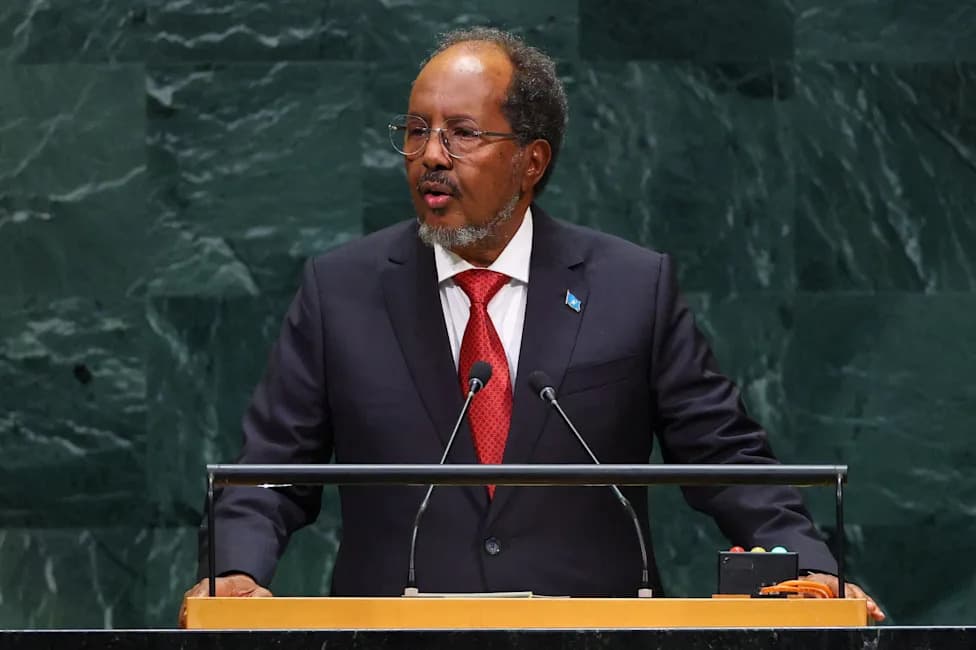
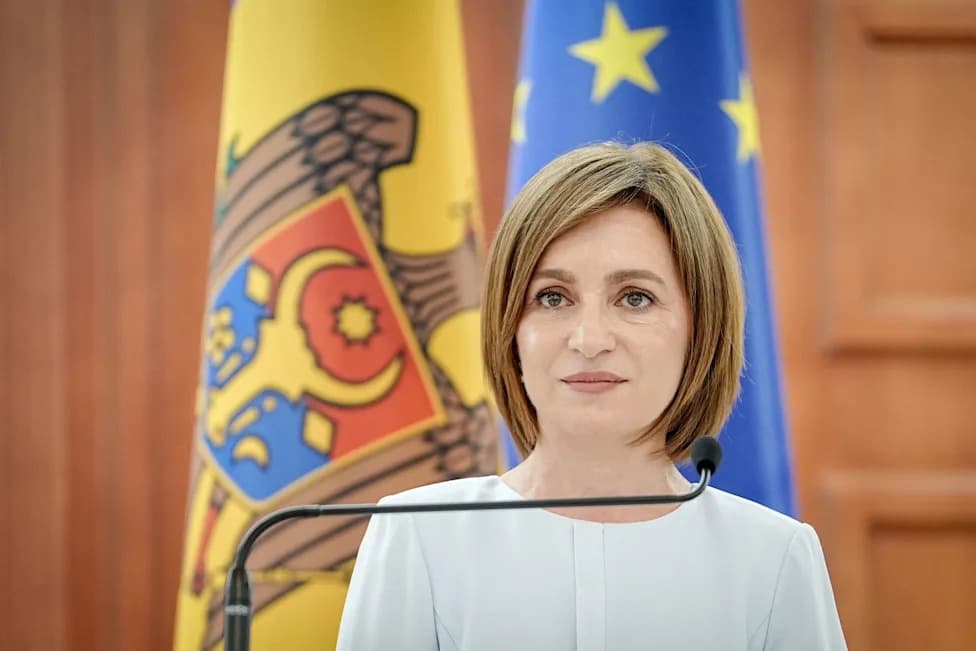
Somalia's President Hassan Sheikh Mohamud [File: Mike Segar/Reuters]
Somalia will refuse an Israeli presence "under any circumstances" and will resist attempts to be drawn into Middle Eastern conflicts, President Hassan Sheikh Mohamud told Al Jazeera in an exclusive interview.
Mohamud accused Israel of planning to establish a naval base in the port city of Berbera and to secure use of the city's airport, saying the moves are intended to position Israel closer to Gulf states and Iran. Berbera lies on the Gulf of Aden in Somaliland — a self-declared republic in northwestern Somalia that Israel recognised last year but which remains claimed by Mogadishu.
The city faces Yemen across the water near the strategic Bab al-Mandeb strait, where Iran-aligned Houthi forces have previously targeted ships linked to Israel.
"We will overcome the challenges posed to our country by Israeli moves," Mohamud said during the wide-ranging interview.
The president described the alleged Israeli plans as part of a broader "Greater Israel" concept — a term used by some to denote ambitions for territorial expansion beyond Israel's current borders. While not an official Israeli policy, Mohamud referenced comments by Prime Minister Benjamin Netanyahu in August 2025 that drew condemnation from Arab governments.
Mohamud characterised Israel as a "destabilising force" that does not respect international law and strongly criticised Tel Aviv's recognition of Somaliland in December. He said no country other than Israel recognises Somaliland and that residents there oppose any Israeli presence.
On security, Mohamud reaffirmed that the United States remains Somalia's strongest partner in counterterrorism operations and said al-Shabab no longer maintains a presence in major Somali cities, reducing the group's ability to seize national control.
Regionally, Mohamud said relations with neighbouring Ethiopia are good and indicated that Mogadishu does not object to Addis Ababa gaining sea access through agreed arrangements to use Somali ports for economic purposes. Ethiopia — landlocked since Eritrea's 1993 independence — relies mainly on Djibouti for trade; in January 2024 Addis Ababa signed a memorandum of understanding with Somaliland on sea access, a move Somalia condemned as a violation of its sovereignty before tensions were later eased.
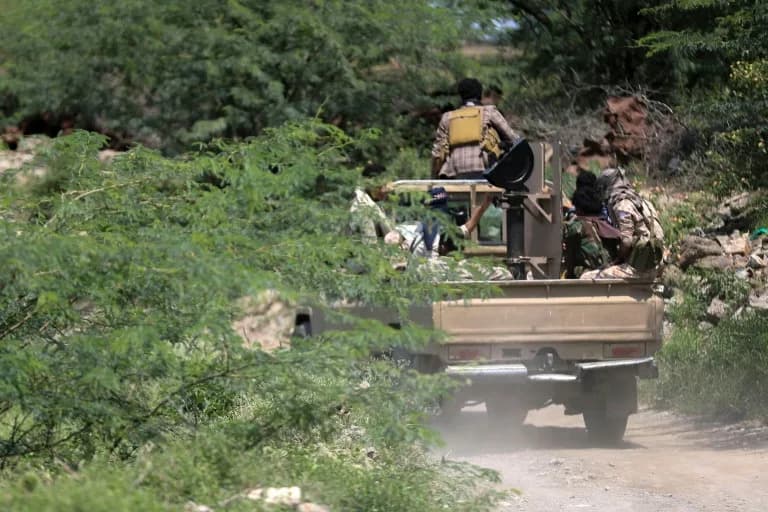
Mohamud also blamed Yemen's Houthi movement for destabilising the region and disrupting navigation through the Bab al-Mandeb strait. His remarks come amid a Houthi offensive that captured parts of Yemen's Red Sea coast last month, even as Yemeni government forces say they have held front-line positions and inflicted heavy losses on the rebels.
The Houthis have intensified attacks on Saudi Arabia, prompting Crown Prince Mohammed bin Salman to vow that the kingdom will not compromise on its security. The full interview with President Mohamud will be broadcast on Al Jazeera Arabic on Sunday.
Help us improve.