Federal Judge Dismisses Federal Charge Over Noncitizen Vote. U.S. District Judge David Leibowitz ruled in a 31‑page opinion that a federal statute criminalizing noncitizen voting in federal elections is unconstitutional as applied to Chelsea Cox because the Constitution entrusts states with the general power to set voter qualifications. The decision ends the federal prosecution of Cox, may be appealed to the 11th Circuit, and leaves open the possibility of state charges.
Federal Judge Dismisses Case, Says States — Not Congress — Hold General Power To Set Federal Voter Qualifications
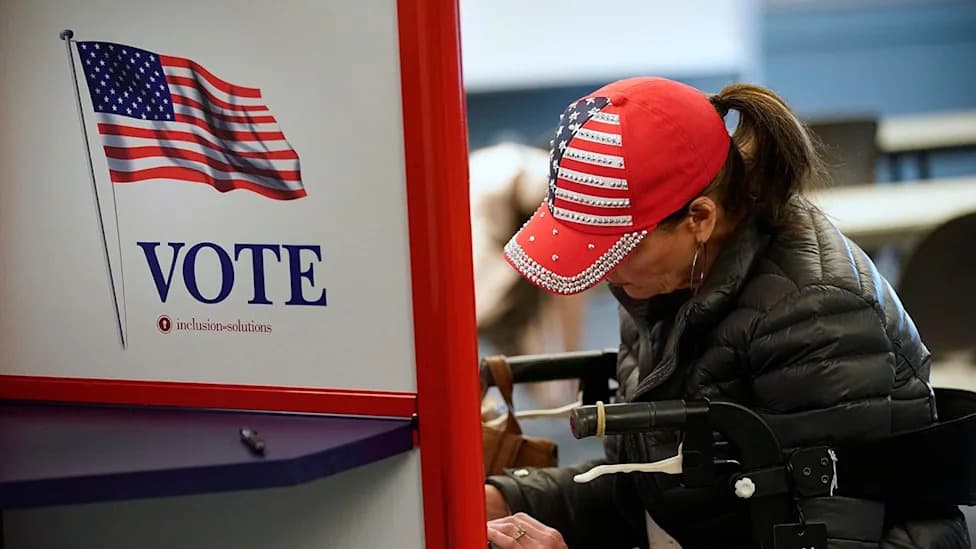
Utah voter
A federal judge has dismissed criminal charges against a noncitizen who voted in the 2020 presidential election, ruling that a federal statute criminalizing noncitizen voting in federal elections is unconstitutional as applied.
In a 31-page opinion, U.S. District Judge David Leibowitz of the Southern District of Florida concluded that the provision of the Illegal Immigration Reform and Immigrant Responsibility Act of 1996 (IIRIRA) at issue cannot be applied to the defendant, Chelsea Cox, because the Constitution assigns the general authority to set voter qualifications for federal elections to the states.
Background
Cox, who was born in Jamaica and is not a U.S. citizen, was federally charged for casting a ballot in the 2020 presidential contest. The prosecution relied on a federal statute that bars noncitizens from voting in federal elections. The case arrives amid heightened national attention on noncitizen registration and voting, proposed federal legislation such as the SAVE Act, and efforts by federal and state actors to verify citizenship on voter rolls.
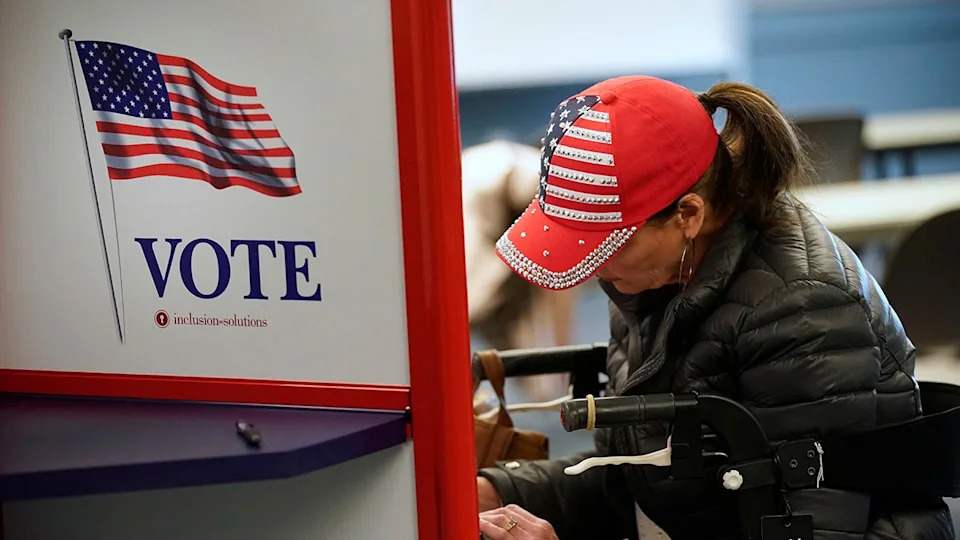
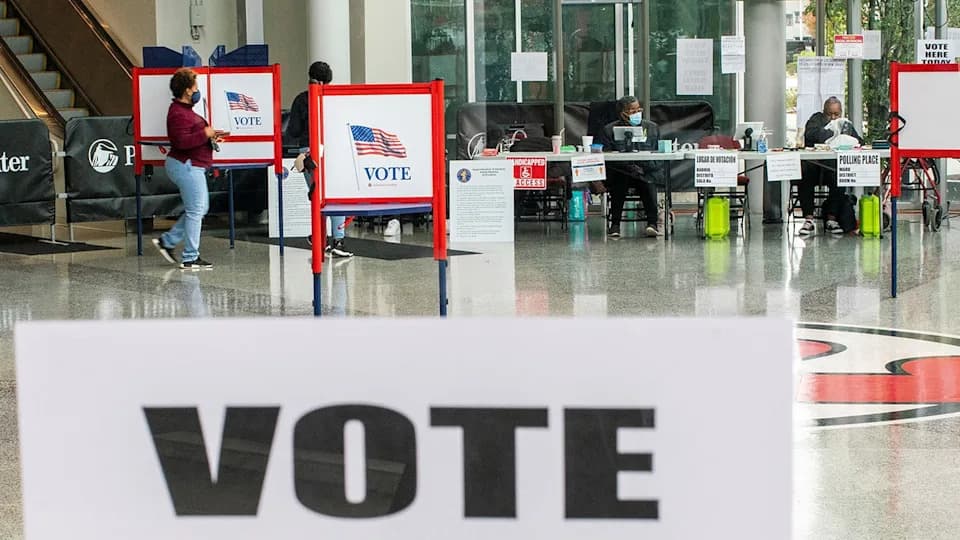
PROVO UT - NOVEMBER 08: Voters cast their ballots at the Utah County Justice and Health center on November 8, 2022 in Provo, Utah. After months of candidates campaigning, Americans are voting in the midterm elections to decide close races across the nation. (Photo by George Frey/Getty Images)
Judge's Reasoning
Leibowitz acknowledged Congress’s broad authority over immigration and its power to regulate naturalization, but he rejected the idea that those powers operate as a "blank check" that can displace the Constitution’s structural allocation of electoral authority. He distinguished between rules governing election mechanics and the substantive qualification of who may vote.
"The Constitution commits to the States, and the States alone, the general power to set voter qualifications in federal elections," Leibowitz wrote, citing the text of the Constitution and the debates at the 1787 Constitutional Convention.
The judge found that the statute at issue functioned as a federal voter qualification rather than a regulation of election procedures or fraud prevention under the Elections Clause, and therefore exceeded Congress’s authority as applied to this defendant.
Reactions And Legal Context
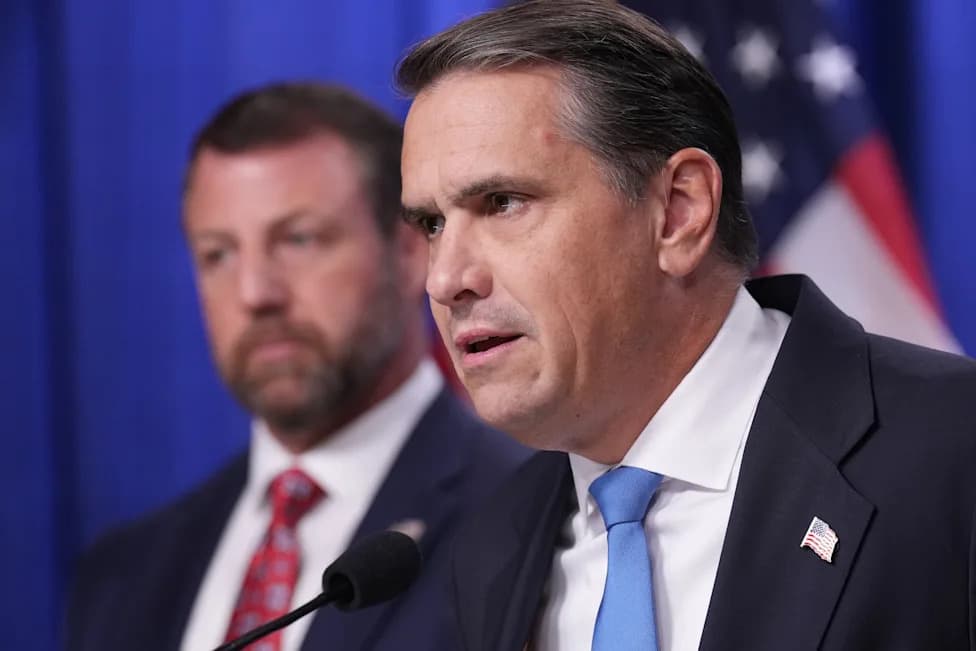
The ruling drew swift criticism from conservative lawmakers and legal commentators, who say the decision is inconsistent with federal authority over immigration and naturalization. Sen. Mike Lee (R‑Utah), co-author of the Safeguard American Voter Eligibility (SAVE) Act, called the opinion "insane" and predicted an appeal and reversal. Legal conservatives cited Article I, Section 8 (naturalization) and past cases such as Bluman v. FEC and Oregon v. Mitchell to argue for federal power in related contexts.
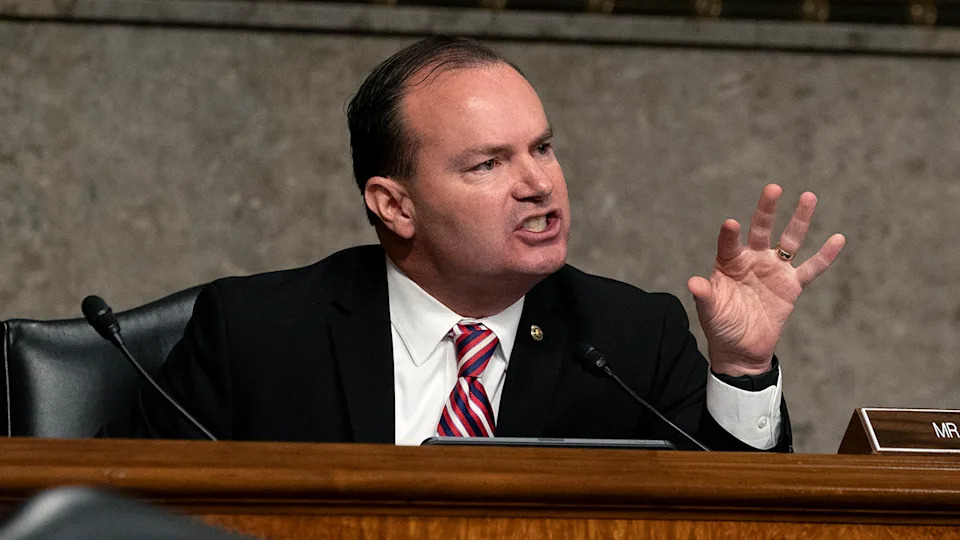
Sen. Mike Lee, R-Utah, is calling out resistance to the SAVE America Act after Reuters reported that more than 30,000 noncitizens were discovered on U.S. voter rolls.
Supporters of the opinion and neutral observers highlighted distinctions between campaign-finance decisions (like Bluman) and prosecutions under a criminal statute that, in the judge's view, sets a voter qualification. Outside counsel following the matter said an appeal to the U.S. Court of Appeals for the 11th Circuit is likely.
Practical Consequences
Leibowitz’s decision terminates the federal prosecution of Chelsea Cox, but it does not prevent state prosecutors from bringing charges under state law if they choose. The ruling is expected to be appealed, and legal observers anticipate appellate review will shape how federal and state authorities address noncitizen voting going forward.
Judge Leibowitz was nominated to the federal bench by President Joe Biden and confirmed by the Senate in 2024 in a 64–33 vote. Thursday’s opinion is his most high‑profile decision to date.
Help us improve.