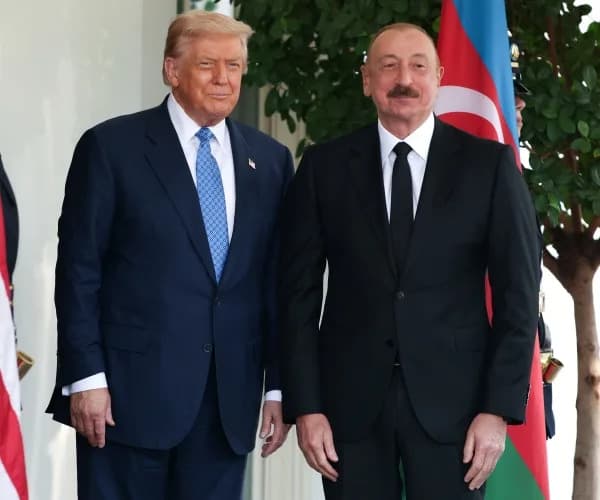
At the New Azerbaijan Party congress, President Ilham Aliyev said Azerbaijan has strategic partnerships with the world’s only two superpowers, the United States and China, notably excluding Russia. He cited a strategic declaration with Beijing and a Charter initiative with Washington, and pointed to a White House-brokered initialing of a peace agreement with Armenia tied to the TRIPP transport project. Aliyev emphasized Azerbaijan’s growing energy role—30 million tons of processing capacity and a gas deal adding 5 billion cubic meters—and set a transit goal of 30 million tons via the Middle Corridor.
Aliyev Says US and China Are the Only Superpowers as Azerbaijan Expands Energy and Transit Role
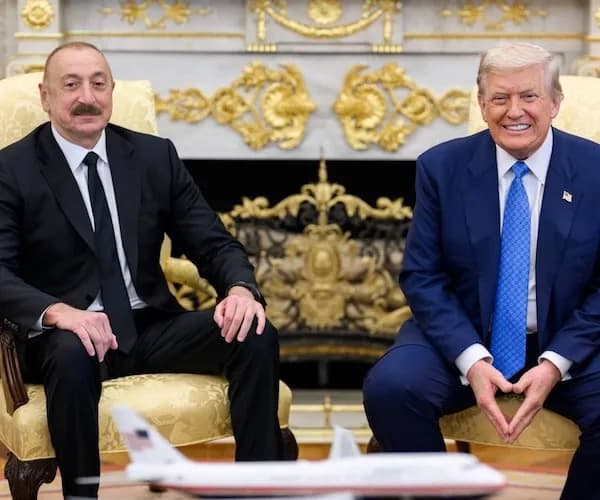
Azerbaijani President Ilham Aliyev and U.S President Donald Trump (Modern.Az)
Azerbaijan's President Ilham Aliyev told delegates at the New Azerbaijan Party congress in Baku that his country has forged strategic partnerships with what he called the world’s only two superpowers—the United States and China—notably excluding neighboring Russia as he outlined an ambitious geopolitical and energy agenda.
Partnerships With Washington and Beijing
Aliyev highlighted a comprehensive strategic-partnership declaration with Beijing and an agreement with Washington to develop a Charter on Strategic Partnership. He said these ties confirm Azerbaijan’s role as a strategic partner to both powers and stressed the country’s independence in foreign policy.
“These are the world’s two superpowers; there is no third,” Aliyev said. “Azerbaijan is a strategic partner to both of these superpowers.”
Why Russia Was Omitted
The omission of Russia was notable because Moscow has long been the dominant external actor in the South Caucasus. Relations between Baku and Moscow deteriorated sharply in 2025 after a series of diplomatic disputes following the December 2024 crash of an Azerbaijani passenger jet, Aliyev observers said.
White House-Brokered Breakthrough With Armenia
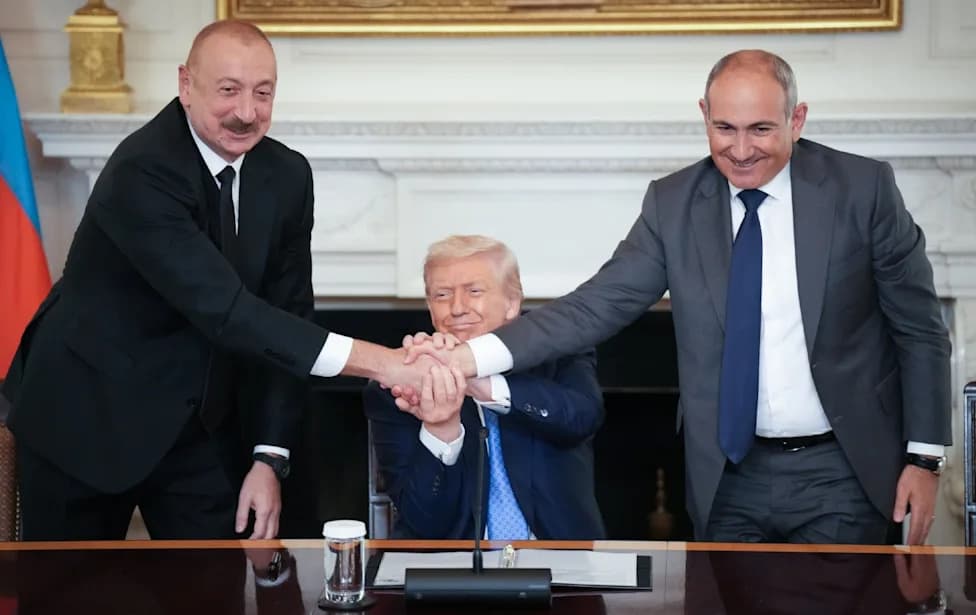
Aliyev stressed expanding ties with Washington and referenced an August 2025 White House summit where U.S. President Donald Trump praised him as "tough and smart" and the leaders initialed a peace agreement between Azerbaijan and Armenia. That agreement, and a U.S.-brokered joint declaration with Armenian Prime Minister Nikol Pashinyan, also advanced the Trump Route for International Peace and Prosperity (TRIPP), a transport project intended to boost regional connectivity.
Aliyev said Azerbaijan had "established peace with Armenia at the world's most prestigious venue, the White House," adding that there was no active war, the border was quiet, and the peace accord had been initialed.
Energy and Economic Ambitions
Energy was a central theme. Aliyev portrayed Azerbaijan as a growing, reliable supplier amid global instability, noting that the country produces and exports crude oil, refined petroleum products, natural gas, electricity, and petrochemicals. He said Azerbaijan now has 30 million tons of petroleum-product processing capacity at home and abroad, and that recently signed contracts would help stabilize and then raise oil output. A recent gas deal, he said, would add about 5 billion cubic meters of gas production.
Aliyev tied energy to broader geopolitical influence: Azerbaijan sits between Russia and Iran and controls transit routes linking Europe with the Caspian and Central Asia. He pointed out that Azerbaijan was admitted to the Consultative Meetings of Central Asia despite being geographically located in the South Caucasus, reflecting its transport and energy links with Central Asian states.
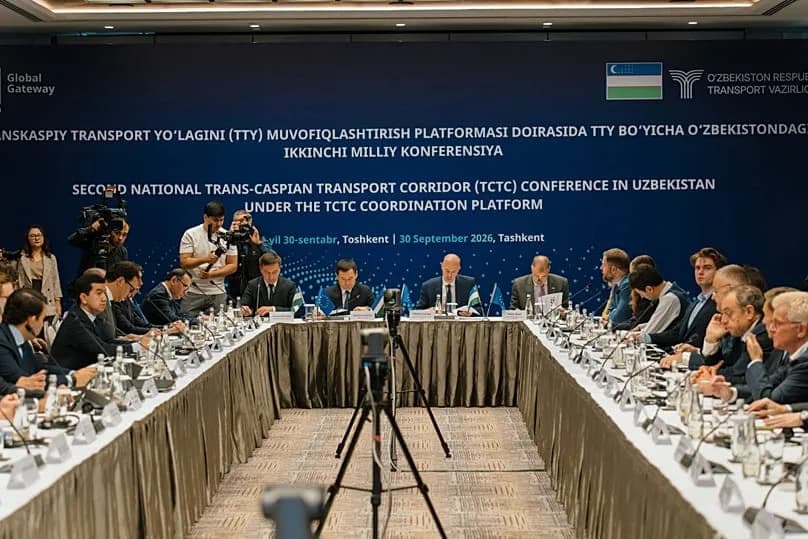
Transit cargo through Azerbaijan is forecast to reach 16 million tons this year; Aliyev set a medium-term target of 30 million tons moving through corridors such as the Middle Corridor that connect Asia and Europe.
Controversies and Alliances
Aliyev also criticized Western opponents of fossil-fuel producers for objecting to Azerbaijan hosting COP29 in 2024, calling such objections hypocritical and arguing that "no economy can develop without oil, gas, and fuel." He emphasized close ties with Israel as another pillar of Azerbaijan's foreign policy, describing relations with Israel as a strategic partnership encompassing energy, trade, technology, and security.
Bottom line: Aliyev presented Azerbaijan as a relatively small state pursuing outsized influence—an energy supplier, Eurasian transit hub, and independent regional actor cultivating ties with Washington, Beijing, Israel and Central Asia, while deliberately not ranking Russia alongside the U.S. and China.
Help us improve.