The founders of O'Hare Flyer say they expect to finalize railroad agreements soon to enable a 15‑minute connection between downtown Chicago and O'Hare. With a CSX LOI already in hand, they plan bridge repairs in 2027 and major construction in 2028–2029 for an 18‑mile rehabilitation plus short new segments. The project requires approvals from the FRA, STB and FAA, involves Herzog as proposed operator, and will use battery‑electric trains with advanced noise mitigation. Community engagement on grade crossings and traffic impacts remains a priority.
O'Hare Flyer Founders Outline Timeline to Secure Rail Rights and Launch 15‑Minute O'Hare Link
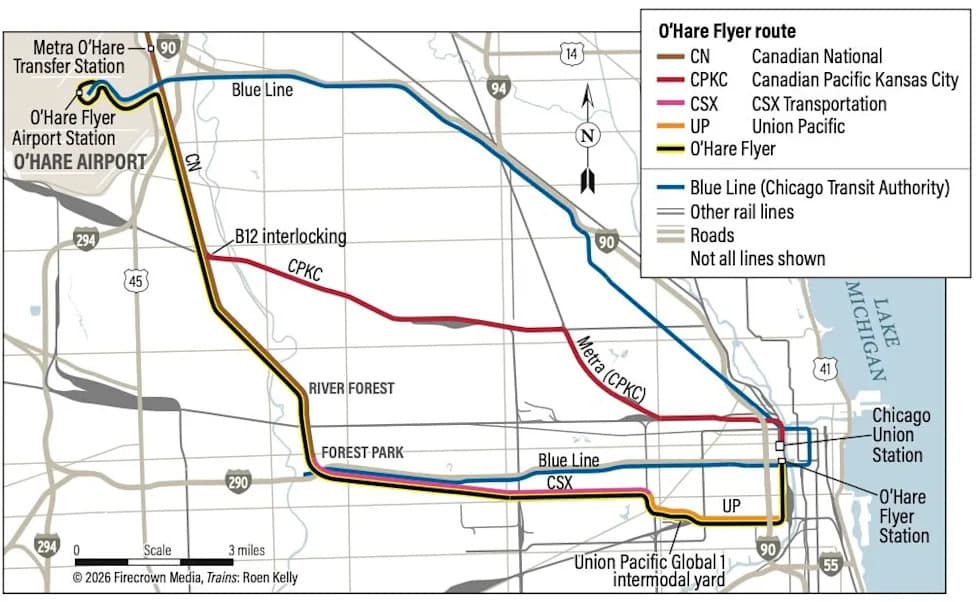
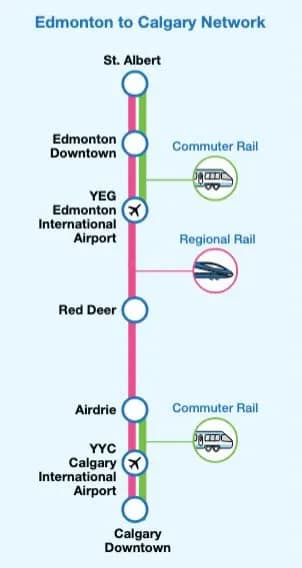
The planned route of the O'Hare Flyer, as compared to Metra and CTA alternatives.
CHICAGO — The founders of the O'Hare Flyer outlined a clearer path to deliver a 15‑minute rail connection between downtown Chicago and O'Hare International Airport, saying they expect to finalize key railroad agreements in the coming months while pursuing multiple regulatory and community approvals.
Agreements and Rights‑of‑Way
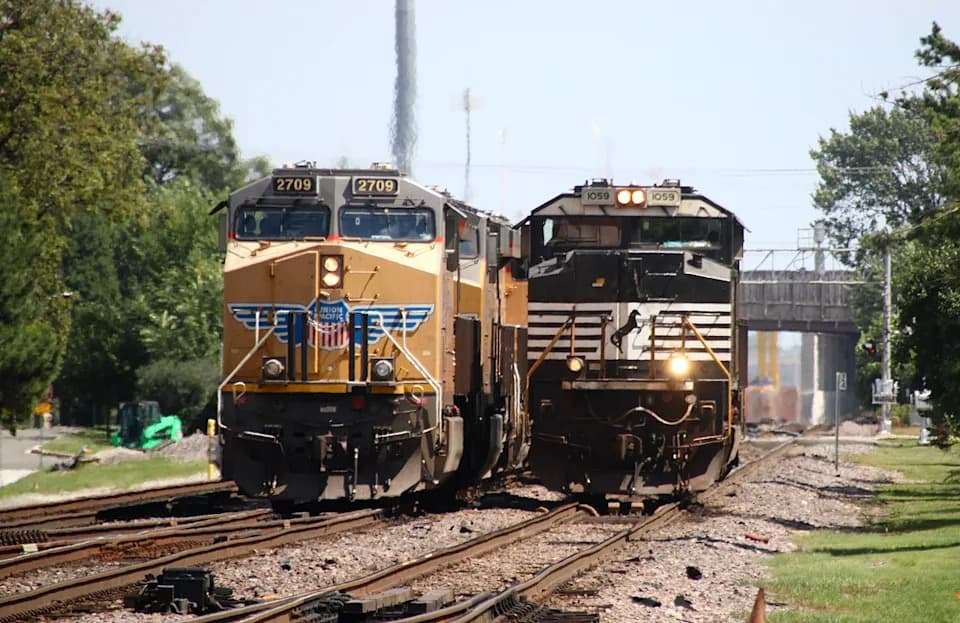
At the Aug. announcement the company held a comprehensive letter of intent with CSX; that CSX agreement remains the only formal arrangement in place. Founders CEO Dave Lundy, Chief Development Officer Mark Walbrun and co‑founder Kristi Lafleur told an Executive Club of Chicago audience Oct. 2 they are confident additional agreements with Union Pacific and Canadian National can be secured.
“Over the course of the next few months, we'll be finalizing our definitive agreements with the railroads,” Lundy said. Lafleur added that the company entered the public phase after railroad partners indicated there is a path to agreement.
Schedule: Repairs and Construction
Lundy said preliminary bridge repairs along the roughly 18‑mile rehabilitation corridor would begin in 2027, with major construction planned for 2028 and 2029. The project largely rehabilitates existing track and adds under a mile of new trackage downtown and a bit more than a mile at O'Hare.
Regulatory And Operational Approvals
Walbrun emphasized the number of regulatory steps required before service can launch: Federal Railroad Administration (operator and track qualification), the Surface Transportation Board for service changes, and Federal Aviation Administration approval through O'Hare's Airport Layout Plan process. The company also said it is coordinating with the city of Chicago (Departments of Transportation and Aviation) and municipalities along the corridor.
Herzog has been named as the proposed operations and maintenance partner; Herzog already operates or maintains multiple North American commuter and light rail systems.
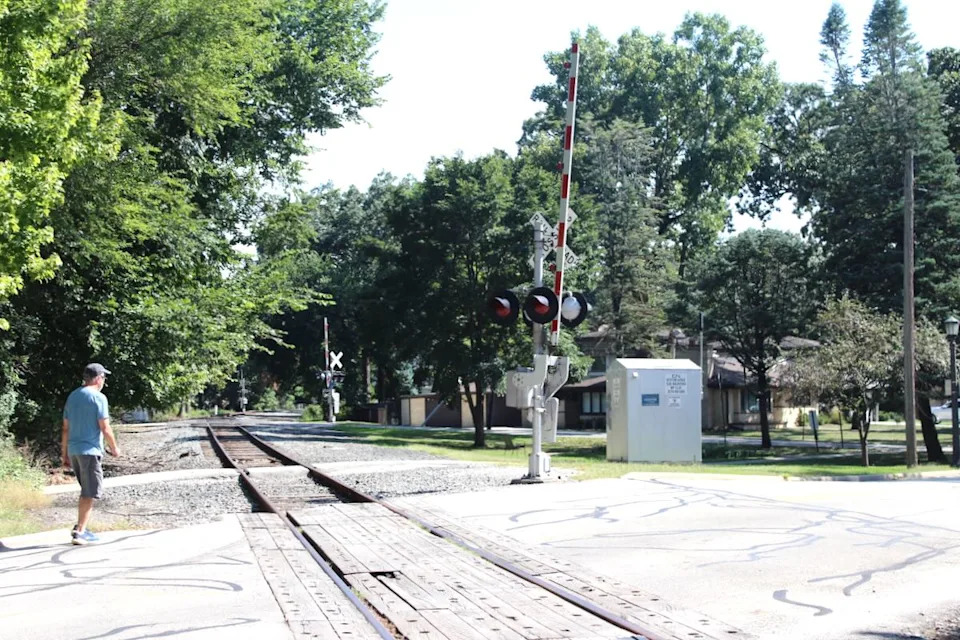
A pedestrian crosses Canadian National tracks in River Forest, Ill., that currently see about one train a year, as illustrated by the tree branches overhanging the track. O'Hare Flyer will look to eliminate four grade crossings in River Forest as part of its plans for service. Bob Johnston
Community Concerns And Mitigations
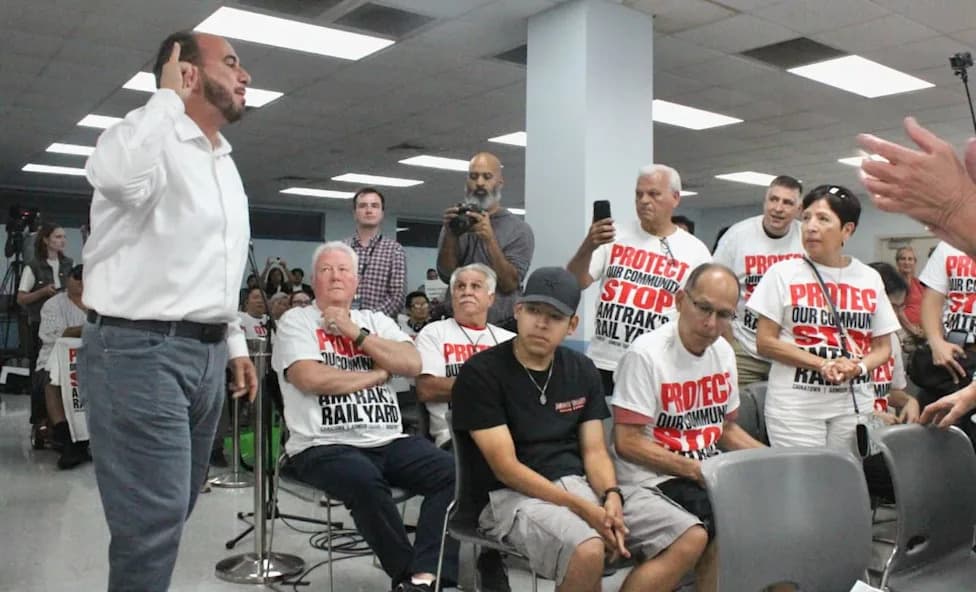
The founders acknowledged both strong support and vocal opposition at early community meetings, saying many concerns stem from a lack of information. Key local issues include grade crossings, traffic patterns, and noise. The plan includes eliminating four grade crossings in River Forest as part of service implementation.
“There are very legitimate questions about how this train service is going to impact their community,” Lafleur said. “There's a lot of opportunity to educate people.”
Technology, Environment And Noise
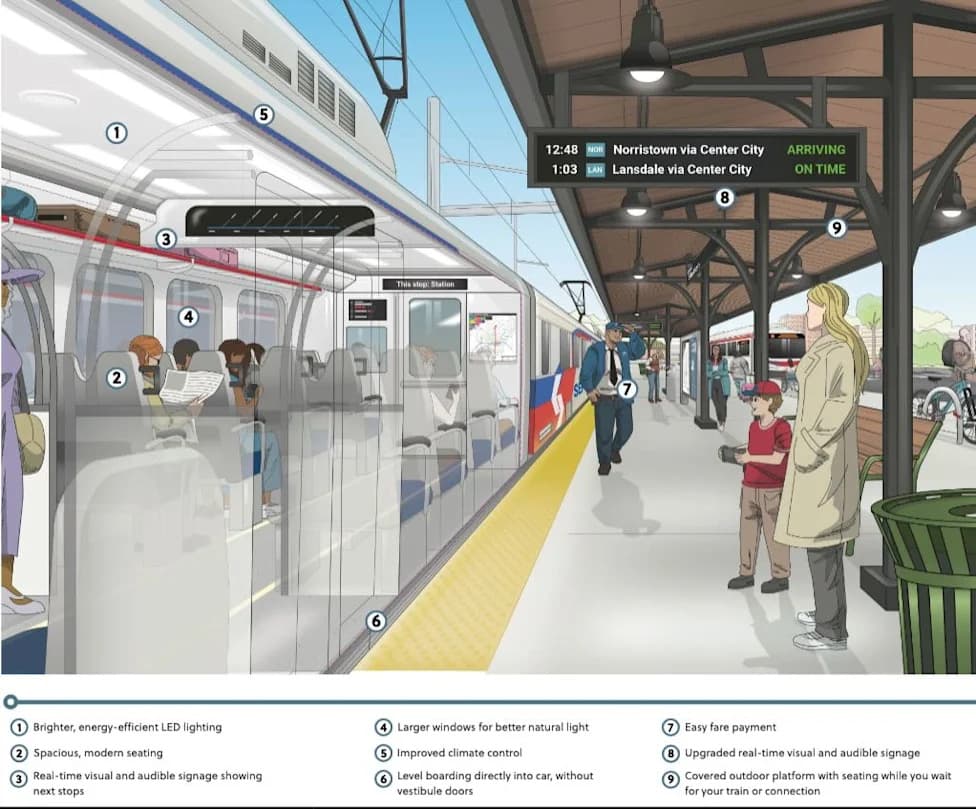
The O'Hare Flyer intends to use battery‑electric trainsets rather than diesel, a point the founders highlighted to address safety and pollution concerns. Lafleur said the service will not transport flammable or toxic cargo and emphasized reduced emissions from proven battery‑electric propulsion.
Lundy also pledged advanced noise mitigation, referencing a technology used in Spain that the company says can reduce corridor noise by up to 17 decibels. He argued that, despite 15‑minute frequencies in both directions, the trains would be quiet enough that many residents would notice little disruption.
Next Steps
With the CSX LOI in place, the company's immediate priorities are finalizing agreements with Union Pacific and Canadian National, advancing FRA and FAA approvals, resolving grade crossing designs with local communities, and beginning bridge repairs in 2027 if permitting and agreements proceed on schedule.
Contact: To report news or errors, contact [email protected].
Help us improve.