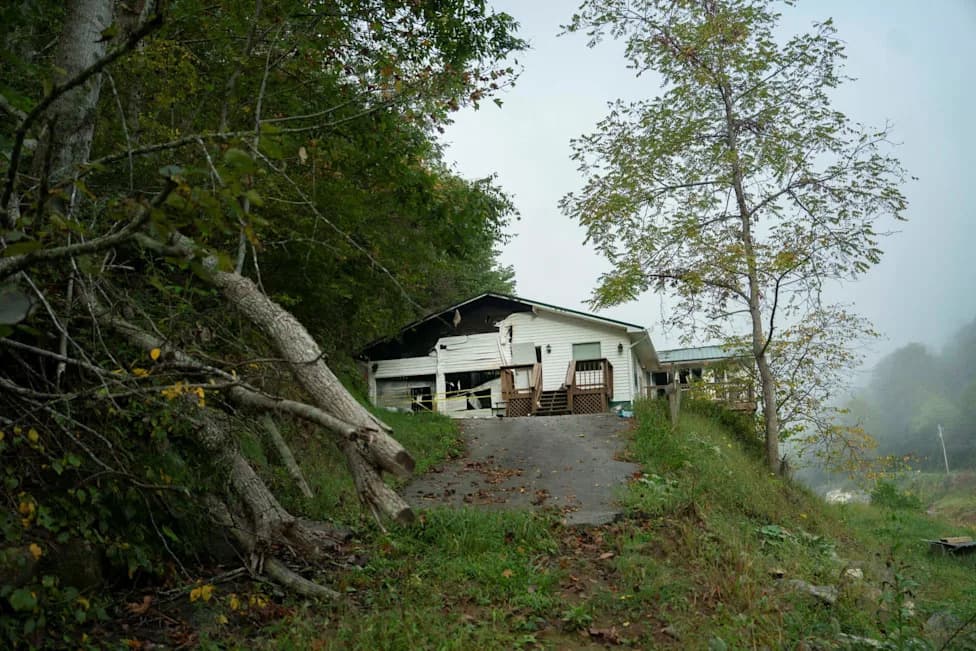
A 26-year-old Iowa mobile home owner reports a private equity purchase of their park led to a planned lot-rent increase (from about $490 to $593) and the removal of most included utilities, leaving internet as the only remaining included service. The poster says total housing costs are around $1,450 per month and describes worsening local management. Commenters emphasized checking lease language, organizing with neighbors, and contacting tenant-rights groups; longer-term solutions include forming resident-owned cooperatives. Similar disputes have been reported in Wisconsin, Florida and New Hampshire.
Private Equity Bought Iowa Mobile Home Park, Raised Lot Rent and Cut Utilities — Residents Face Steep Costs
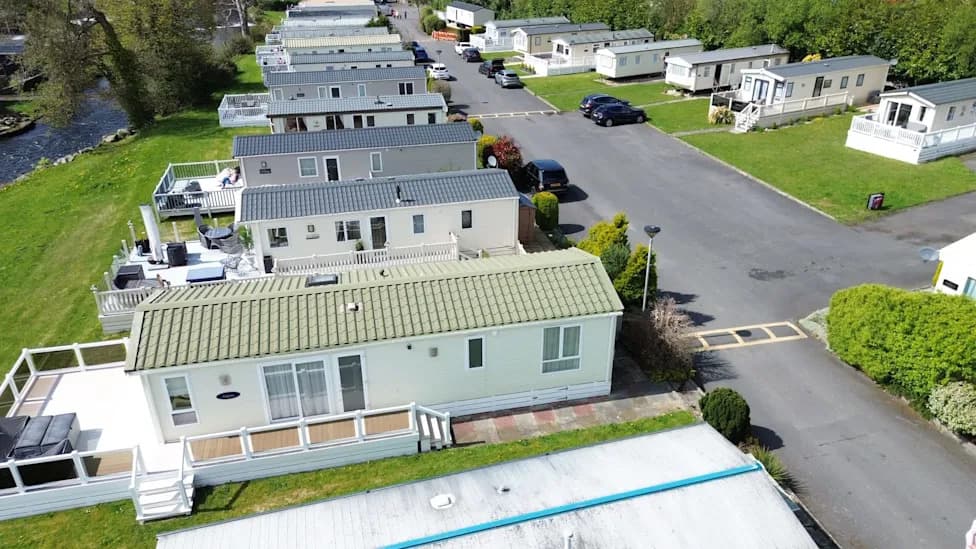
Photo Credit: iStock
When a mobile home park changes hands, the ripple effects can be immediate and painful for residents who own their homes but lease the land beneath them. A recent Reddit thread from a 26-year-old trailer owner in Iowa highlights how a private equity takeover triggered a sharp increase in lot rent and the removal of most included utilities.
What the Resident Reported
The poster said their total monthly housing cost is about $1,450 — roughly $700 for the mortgage on the home, $490 for lot rent (now set to rise to $593), and about $250 for electric and gas. After the sale, residents were told internet would be the only utility still included in the lot fee.
“All together we're talking almost $400/mo increase for the same place we've been, now with shittier management and no one even in the STATE to refer questions to,” the original poster wrote.
Tensions With Management
The Redditor also described prior conflicts with the former owners: management allegedly dug up their front yard, parked machinery in paid parking spots, and threatened eviction when residents complained. Those kinds of disputes underscore the precarious position of many land-lease homeowners.
Why Leases Matter
Much of the thread focused on lease language. Commenters noted that, unless limits are written into a lease, owners can often raise fees with as little as 30 days' notice. Lease clauses that specify which utilities are included, notice periods, or caps on rent and fee increases can greatly affect what a new owner is allowed to change.
Practical Steps and Longer-Term Options
Readers in the thread suggested several responses residents can consider:
- Organize with neighbors to amplify bargaining power.
- Contact local tenant-rights organizations for guidance and legal help.
- Push for city or county ordinances if state law offers limited protection.
- Explore forming a resident-owned cooperative to purchase and control the land long-term.
Context: Similar Cases
The post was linked to other reports where private equity purchases led to rent spikes or legal battles: manufactured-home rents in Wisconsin rose after PE acquisitions; Florida’s Silver Court residents used state law to block evictions; and in New Hampshire some communities bought the land under their homes to control future rent hikes.
Bottom line: For residents who own their homes but not the land, a change in ownership can quickly alter costs, services, and daily life. Careful attention to lease terms, collective action, and local legal resources are key defenses.
Help us improve.