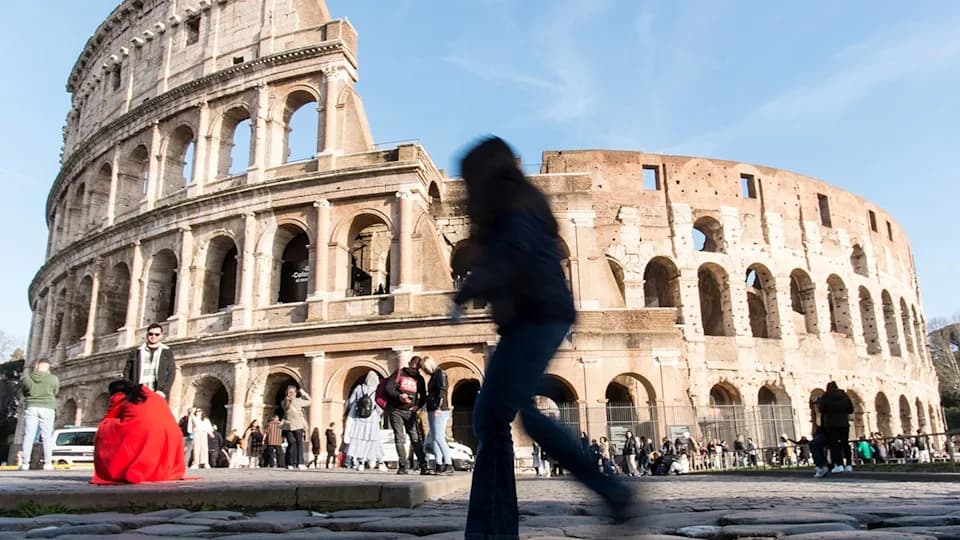
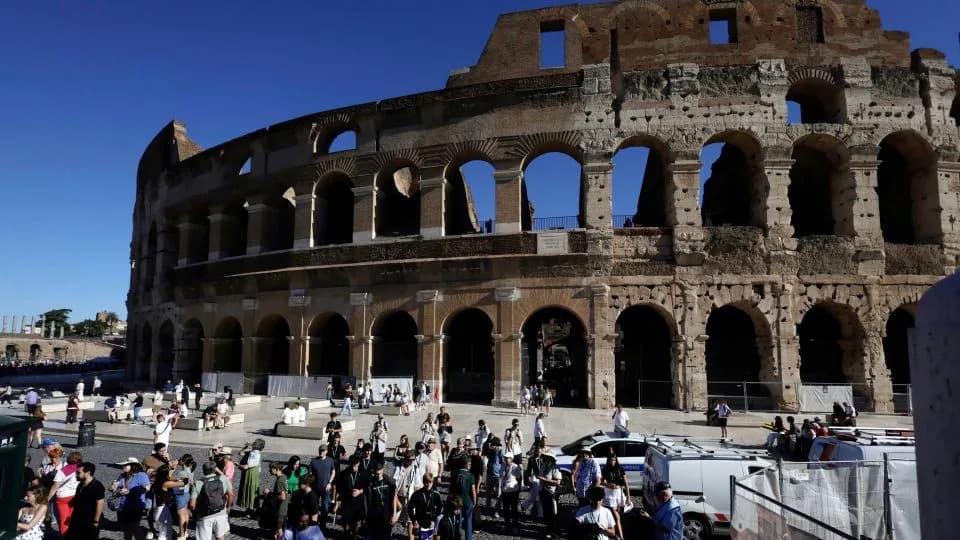
Rome has seen a rapid rise in electric golf carts offering guided tours of major sights, prompting clashes with taxi drivers and licensed tour operators who say the vehicles are unsafe, illegally parked and underregulated. Authorities stepped up spot checks this summer, reducing operating carts from roughly 750 to 500 and impounding several vehicles while issuing €38,000 in fines. Cart operators and a new trade association argue the vehicles are low‑emission and help vulnerable visitors, while city officials seek powers to cap numbers and mandate fixed tourist routes to ease congestion.
Rome's Golf‑Cart Clash: Electric Tourist Tours Pit Operators Against Taxi Drivers
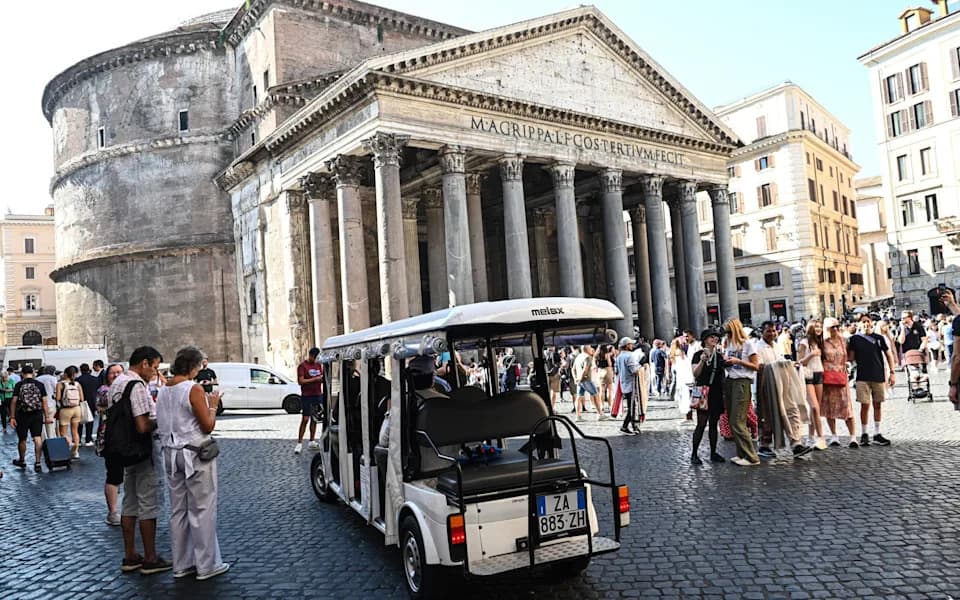
Operators who rent the carts say they provide a low-emission, environmentally friendly and quiet way for tourists to get around the city - Chris Warde-Jones for The Telegraph
The soft whir of electric motors and the tiny wheels of rental golf carts might seem harmless, but a boom in vehicles ferrying visitors around Rome's cobbled streets has ignited a bitter turf war in the Eternal City.
What's Happening
Operators say these small electric vehicles offer a low‑emission, quiet alternative for tourists visiting landmarks such as the Colosseum, the Spanish Steps and the Trevi Fountain. Critics counter that the carts are frequently parked illegally, obstruct traffic and operate in a regulatory grey area that authorities have been slow to address.
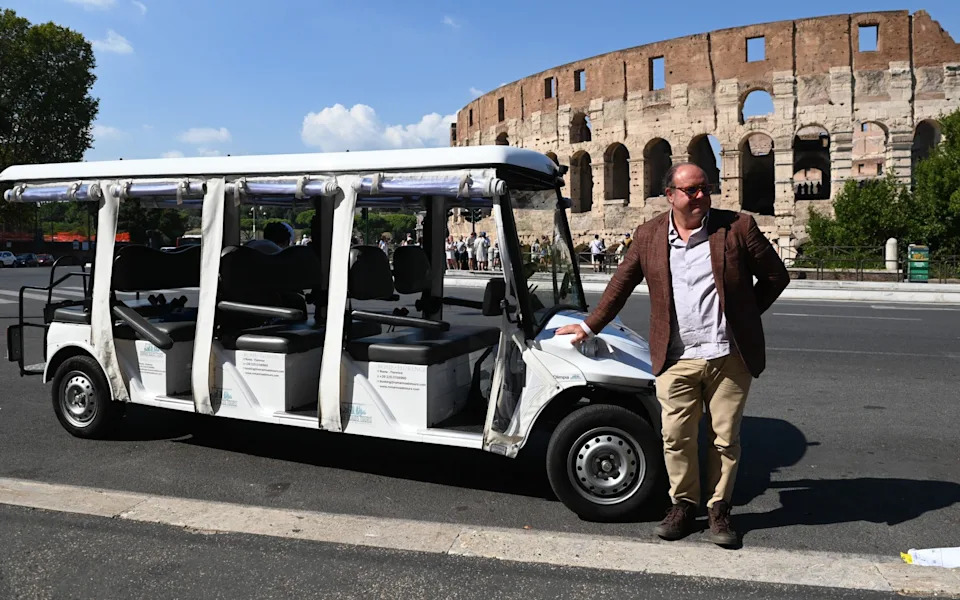
Fabrizio Bortoli, the founder of Roman Roads Tours, said taxi drivers 'can be aggressive verbally and physically' - Chris Warde-Jones for The Telegraph
Tensions on the Road
The carts' main opponents are Rome's taxi drivers, joined by chauffeur‑driven black vans and licensed tour guides who fear the newcomers are siphoning business. Encounters on the streets have become tense: golf‑cart drivers and cabbies have been seen exchanging aggressive gestures and harsh words while they jostle for space.
"It's the taxi lobby that are really against us. Taxi drivers can be aggressive verbally and physically. They cut us up on the road," said Fabrizio Bortoli, founder of Roman Roads Tours.
Enforcement And Numbers
Authorities have launched spot checks in the historic centre, deploying the Carabinieri and the Guardia di Finanza. Officials say inspections have reduced the number of operating carts from roughly 750 at the start of summer to about 500. In a recent round of checks covering around 130 vehicles, ten carts were impounded and fines totaling €38,000 were issued.

Pascal van Duijnhoven, a Dutch entrepreneur who moved to Rome 22 years ago, is president of a newly founded association called Metur, or Electric Mobility for Tourism in Rome - Chris Warde-Jones for The Telegraph
Operators complain the enforcement has sometimes been heavy‑handed. "It was like being treated like a drug dealer," Mr Bortoli said, describing long inspections during sweltering conditions.
Voices From Both Sides
Pascal van Duijnhoven, a Dutch entrepreneur and president of Metur (Electric Mobility for Tourism in Rome), who runs golf‑cart and electric tuk‑tuk tours, says the sector has been demonised by media coverage. "We are seen as criminals right now and that feels bad," he said, adding that slow speeds and blocking by taxis have escalated tensions.
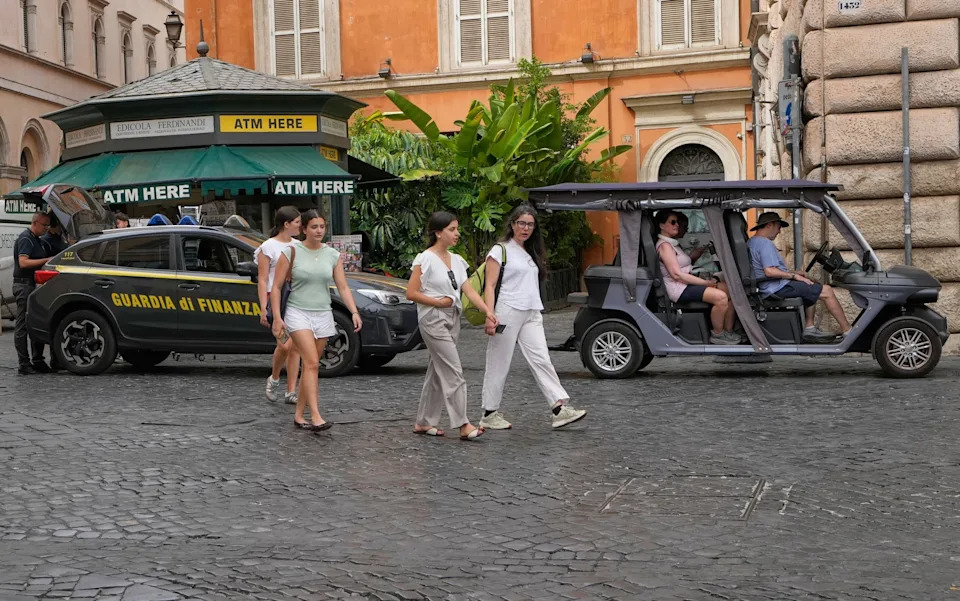
Italy's financial police officers stop a golf cart driver for a routine check in downtown Rome - AP Photo/Gregorio Borgia
Opponents point to safety and unfair competition. "Tourists ride on these carts without protection and often without seat belts," said Riccardo Cacchione of Usb‑Taxi, warning that children and visitors may be at risk if passengers lean out to photograph sights. Luca Notarbartolo, who represents chauffeur‑driven tourist vehicles, criticised carts for parking irresponsibly, entering pedestrian zones and undercutting licensed guides.
Cart operators counter that they avoid main thoroughfares, keep speeds down (top speed about 23 km/h) and have reported no serious accidents. They also highlight the environmental and accessibility benefits for heat‑sensitive or mobility‑limited visitors.
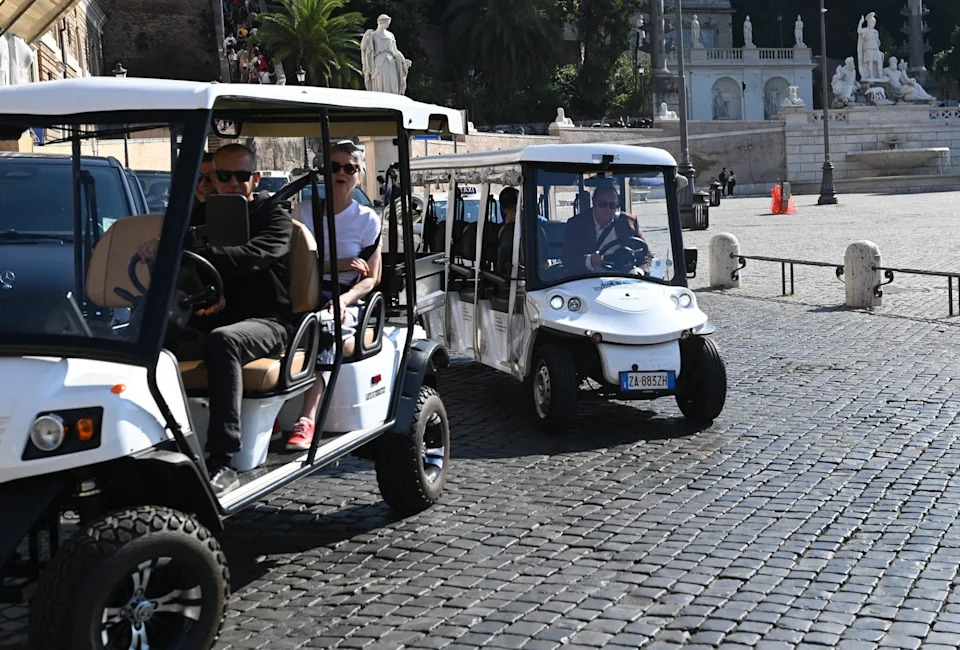
Golf carts in Piazza del Popolo in central Rome - Chris Warde-Jones for The Telegraph
Regulatory Gridlock
Responsibility for transport regulation currently sits with the Lazio regional government. Rome's councillor for mobility, Eugenio Patanè, is seeking devolved powers so the city can cap the number of carts and require them to follow fixed tourist routes. "We are looking at imposing a cap not just on golf carts but on all tourist vehicles," he said, citing congestion in the historic centre.
Operators argue the city should welcome low‑emission transport as summers grow hotter. They also point out the financial stakes: a four‑hour, eight‑seater tour with driver can fetch around €1,000, while an eight‑seater cart costs roughly €35,000 to buy, plus garaging, repairs, staff and booking commissions.
Public Reaction
Many Romans are ambivalent. Some appreciate the jobs and tourist revenue the services bring, while others object to carts driving through parks or parking where they shouldn't. "Tourism brings wealth and jobs to the city so it should not be demonised," said Riccardo Langosco from Piazza del Popolo, but he added that operators must "respect the rules" to avoid being a nuisance.
The dispute highlights a wider question for historic cities: how to balance sustainability, visitor access and safety with existing transport networks and local livelihoods. As Rome considers new rules, the conflict between golf‑cart operators and traditional transport providers looks set to continue.
Help us improve.