In Strung Up: How White America Learned to Lynch Black Children, Dr. Stacey Patton uses deep archival research to show that Black children were deliberate targets of racial violence and that lynchings functioned as public lessons for white families. Patton argues the cultural 'machinery' that denied Black childhoods helped normalize brutality and continues to surface in modern institutions. Her urgent call: protect and 'Love Black children like a revolt.' The book is due Oct. 6.
‘Love Black Children Like a Revolt’: Dr. Stacey Patton Reveals the Machinery Behind Violence Against Black Children
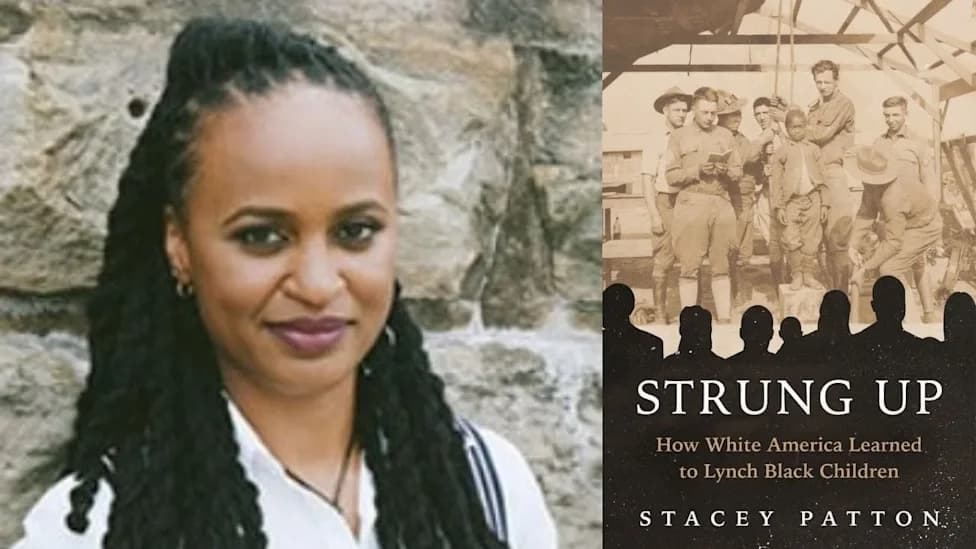
Dr. Stacey Patton. (Photo courtesy by Stacey Patton)
Dr. Stacey Patton, an award-winning journalist, educator and historian, argues in her new book that lynching and racial terror in the United States deliberately targeted Black children and shaped white culture for generations. In Strung Up: How White America Learned to Lynch Black Children (arriving Oct. 6), Patton brings extensive archival research to bear on a painful but necessary reassessment of American history and its continuing impact on young Black lives.
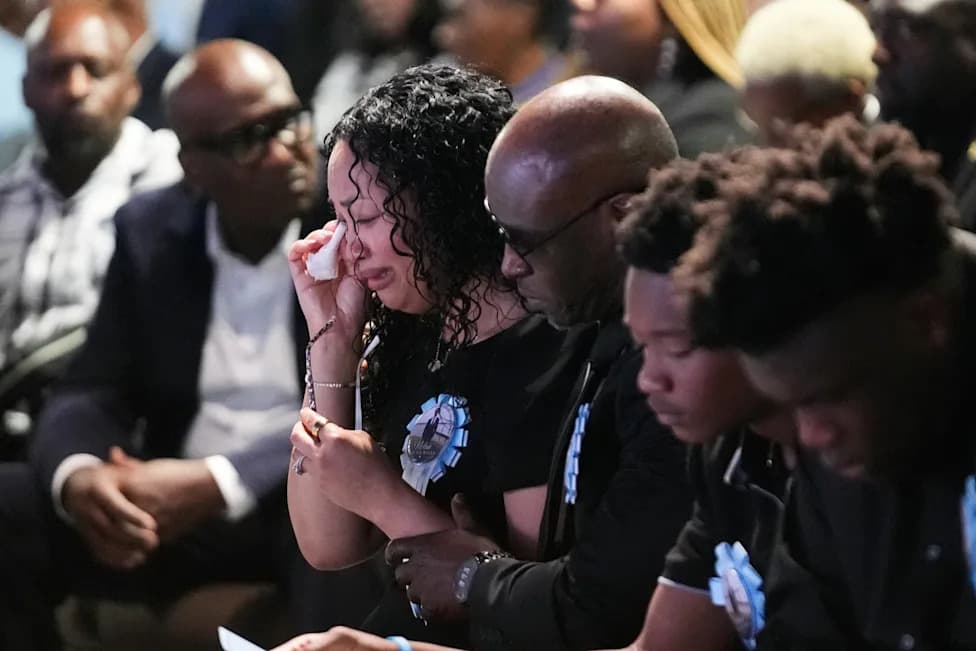
Patton told theGrio in a recent Zoom interview that historians often treat past events as discrete moments to explain change over time. But writing history while living amid its echoes carries an immediacy and emotional weight she could not ignore. Recent high-profile mysterious deaths of young Black people — including the July case of 18-year-old Nolan Wells — have reopened old wounds and underscored why the book arrives at a crucial moment.
Children Were Targets, Not Collateral
Working through photographs, newspapers and archival records, Patton found that Black children of every age were not incidental victims but deliberate targets of racial violence. In some cases, violence extended to children in utero. Her evidence challenges the simplistic notion that harm came mainly from 'adultification' — the mistaken perception that Black children are older than they are. Instead, Patton shows that white perpetrators often understood they were harming children and then constructed cultural and psychological justifications to erase their childhoods.
Public Spectacles and Family Lessons
Patton also discovered that white families frequently treated lynchings as public spectacles and civic rites. Entire families — including women and children — attended, posed for photographs with victims, turned images into postcards and collected keepsakes such as pieces of rope. The National Museum of African American History and Culture documents how thousands of white women and children reportedly took pieces of rope from the 1931 lynching of Matthew Williams in Salisbury, Maryland.
'Before you can torture a child, before you can lynch a child ... you first have to convince yourself that you are not looking at a child at all, and that's the machinery that I want people to see,' Patton says.
Transmission Across Generations
Those who grew up watching lynchings often became parents, officials, judges, educators and law enforcement officers — shaping institutions and passing lessons to subsequent generations. At the same time, Black families carried and transmitted memories of terror. Patton recounts the story of Rufus Morrison, who at ten hid in a cornfield and witnessed the 1918 lynching of Mary Turner, eight months pregnant; Morrison preserved and later passed down that testimony.
’Machinery’ That Persists Today
Patton warns that the cultural 'machinery' that made childhood erasure possible in the past still operates in modern institutions — in policing, juvenile justice, education, medicine and parenting practices — wherever Black children are routinely perceived as threats and denied full protection of their childhoods.
Careful, Purposeful Storytelling
Because assembling and presenting this material exacted a personal toll, Patton describes deliberately caring for herself while writing. She also made intentional choices about how to guide readers through the book: not to sensationalize suffering but to hold white family life, psychology and institutions under scrutiny so readers can finish the book transformed and compelled to act.
Patton's moral call is simple and urgent: Love Black children like a revolt. Love Black children like their lives depend on it. Her goal is not only to recover names and stories but to make visible the historical mechanisms that continue to shape how society treats Black children today.
Help us improve.