James M. Thomas' research shows that most white parents avoid explicit conversations about race or adopt color‑blind messages that minimize racism. In interviews with more than 100 white Southerners, about 30% reported no race talk, roughly 44% described race‑neutral lessons, and about 10% passed on explicitly racist warnings. Color‑blind parenting obscures structural inequalities and leaves white children less prepared to recognize and challenge racism. Thomas urges white parents to have frank talks about whiteness, segregation, and how to act against racial harm.
Why Telling Kids ‘Race Doesn’t Matter’ Masks The Ongoing Impact Of Racism
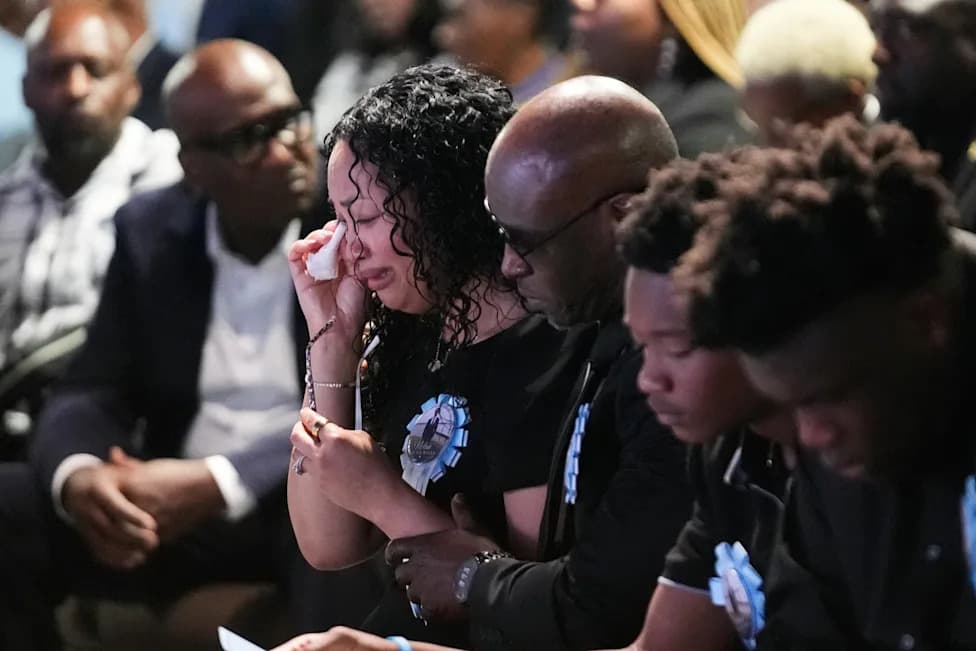
The family of Nolan Wells, during a July 20, 2026, service in Ocean Springs, Miss., for the 18-year-old found dead after taking a July 4 boat trip with friends.AP Photo/Gerald Herbert
“Look around.”
“Pay attention.”
“Be mindful of where you are and who you are with.”
“Check in. With us. With yourself.”
For many Black parents, these short directives form part of “the talk”: routine racial socialization that teaches children how to navigate a society shaped by whiteness and racial power.
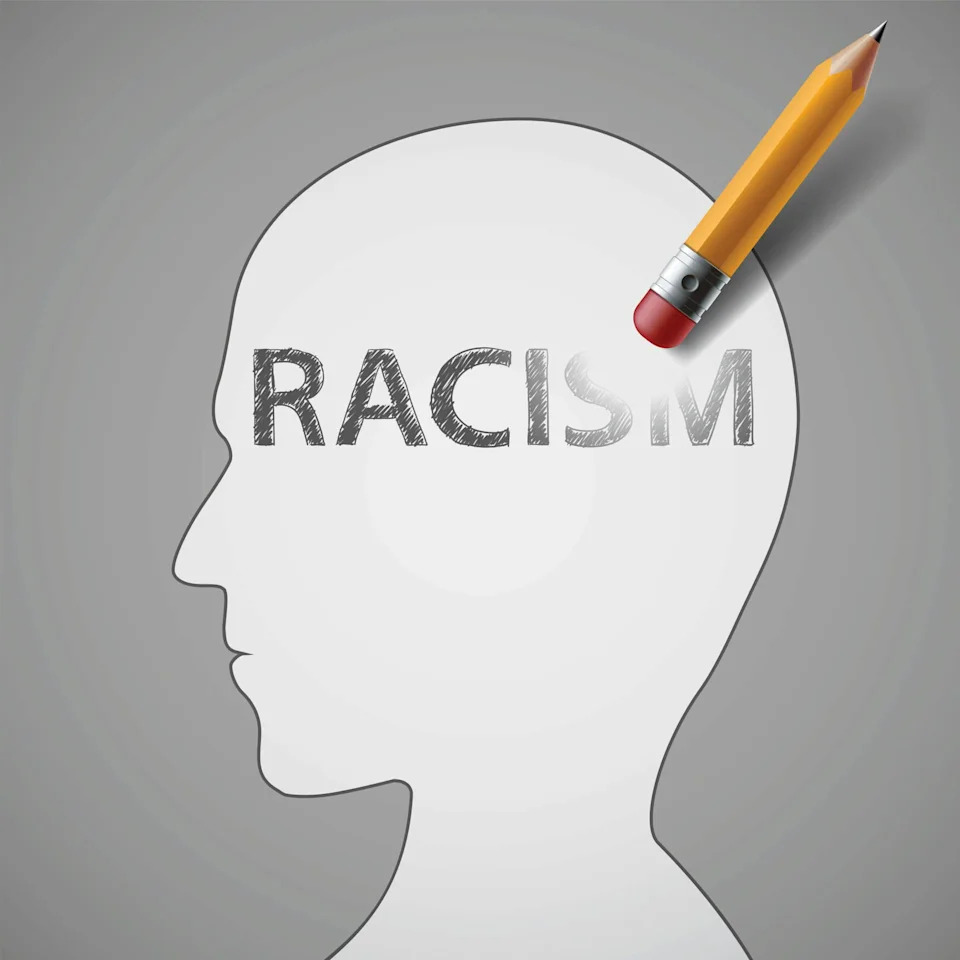
When white parents tell their children that race does not matter, they are implying that racism does not exist.Trifonenko/Getty Images Plus
The recent death of 18-year-old Nolan Wells—who disappeared on July 4 while on a boat trip along the Mississippi Gulf Coast and whose body was found on July 6—has renewed public attention to these lessons. Investigations into his death are ongoing, and the cause remains undetermined. Still, Mississippi’s long and violent racial history has driven intense online speculation and renewed conversations about how race and safety intersect in all-white spaces.
What My Research Found
I am a sociologist studying race and racism. Over five years my team and I interviewed more than 100 white Southerners, mostly in Mississippi, aged 18–88 (median age 42). Roughly one-third were raising children, and another third had adult children. We asked whether and how people discussed race with their children and how their own parents had addressed race and whiteness.
Our findings show three broad patterns:
- About 30% said they never discussed race, either as children or with their own kids.
- Roughly 44% described “race‑neutral” or color‑blind messages that minimize racism—for example, emphasizing that people are “just people” or that race “doesn’t matter.”
- About 10% recalled explicitly racist teachings or direct warnings to avoid people of other races.
Voices From Interviews
“Race is just a descriptor,” said Michael, 41, explaining why he and his wife avoid talking about race.
Jayne, 63, initially said she never had racially charged conversations—but later recalled stories of her mother’s fear of Black men after a local lynching, a fear passed down through family narrative.
Antonio, 87, said he raised his children to “stay with the whites.” Shirley, 71, told her children to be polite but to “stay with your own.”
Why Color‑Blind Messages Are Problematic
At first glance, messages that emphasize color‑blindness or sameness may seem tolerant or idealistic. But Americans live in a society where racism continues to shape where people live, the schools they attend, employment opportunities and everyday interactions. In that context, saying “race doesn’t matter” obscures how structural racism operates and who benefits from it.
Functionally, color‑blind lessons can produce effects similar to explicit racist teachings: they leave white children unaware of how social structures advantage them, reduce their ability to recognize racial harm, and limit their readiness to challenge injustice.
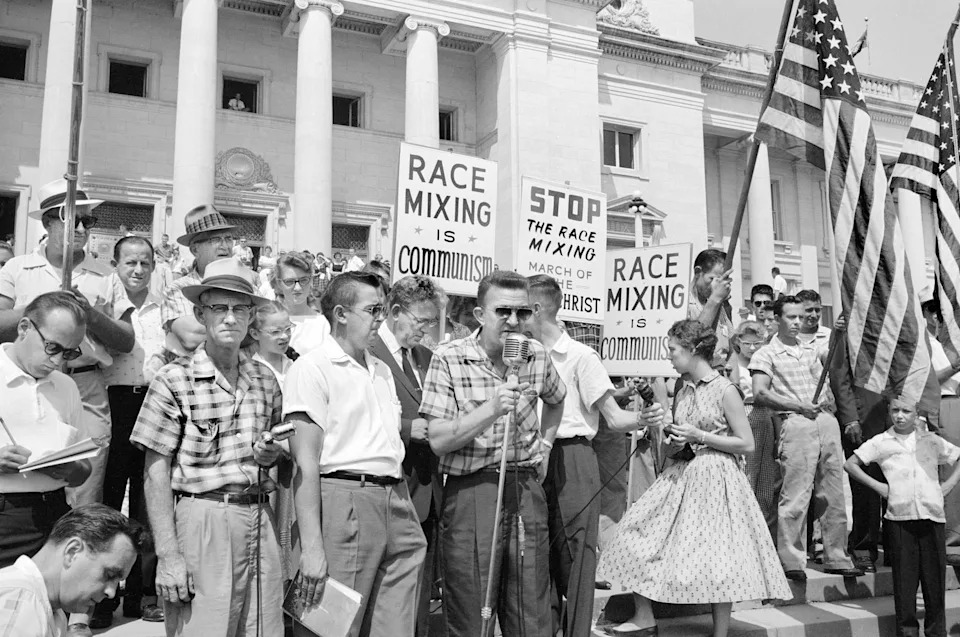
The racism and resentments fueling resistance to school integration still linger in the South today.Circa Images/GHI/Universal History Archive/Universal Images Group via Getty Images
Implications And Recommendations
It’s impossible to know whether different racial awareness among Nolan Wells’s friends would have changed what happened; we must avoid jumping to conclusions about his death. But the broader lesson remains: when a Black person is the only nonwhite person in a group, racial context is present whether people acknowledge it or not.
“The talk” for white children would look different from the protective conversation Black parents give their children. For white kids, this means plain talk about what it means to be white in America: why many white families live in predominantly white neighborhoods, why their schools and social circles often lack diversity, and how institutions have historically—and continue to—shape life chances along racial lines.
Practical steps for parents include:
- Have explicit conversations about history and local racial dynamics.
- Discuss segregation, privilege, and how policies shape opportunities.
- Encourage relationships across difference and model how to intervene when witnessing bias.
When white parents talk plainly about whiteness and structural inequality, children are better positioned to recognize white‑dominated spaces, understand risks Black children may face in them, and consider what actions they can take to oppose racism.
About the research: This work is based on 100+ interviews with white Southerners, primarily in Mississippi. Funding came from the National Science Foundation and the Russell Sage Foundation. The author, James M. Thomas, is based at the University of Mississippi. This article is republished from The Conversation.
Help us improve.