Starting Oct. 22, a new U.S. customs rule will require formal filings for mailed packages that contain items subject to review by other agencies—potentially including prescription drugs. Experts warn the change will make it harder and more expensive for Americans who buy medications from Canadian pharmacies, because each refill may now require complex paperwork or a licensed customs broker. Patients are advised to consult pharmacies and doctors about shipping plans and short backup supplies, and advocates are urging contact with lawmakers.
New Oct. 22 Customs Rule Could Make Mail-Order Prescriptions From Canada Harder To Get
danielfela / Getty Images
For many Americans, buying prescription medications from Canadian pharmacies has been a practical way to cut costs. U.S. drug prices are often much higher than in Canada, so patients—especially those managing chronic conditions, those with high deductibles, or people whose plans don’t fully cover medicines—have turned to cross-border mail orders for savings.
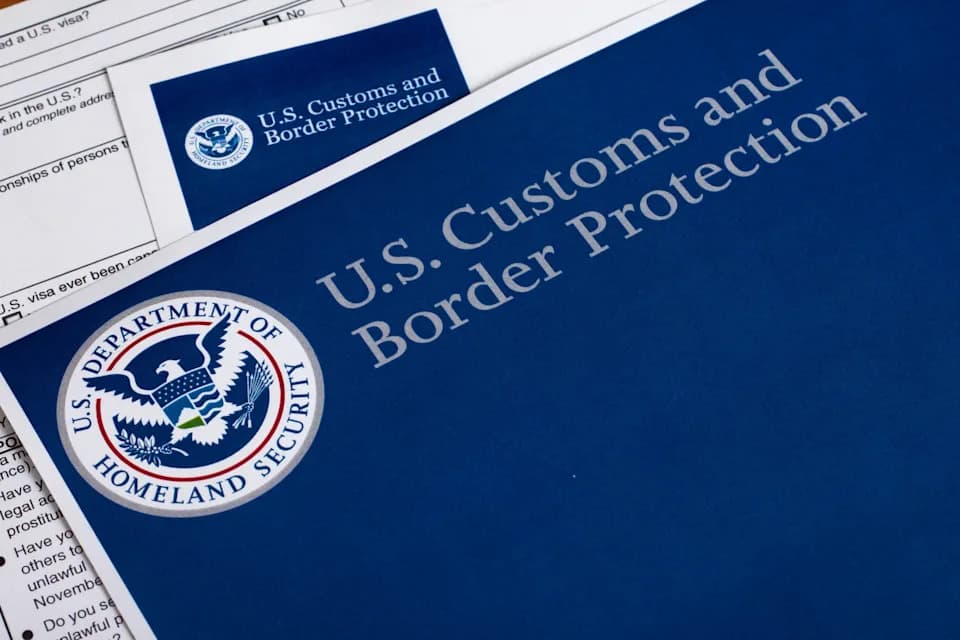
That option faces a major change on Oct. 22: a new U.S. customs requirement will treat mailed packages that contain items subject to review by other federal agencies—such as the Food and Drug Administration (FDA)—differently. The result: mailed prescriptions that once cleared with minimal paperwork may now require formal customs filings.
What Changes On Oct. 22
“Right now, a prescription mailed from Canada usually gets through customs with almost no paperwork,” says Kyle Peacock, Principal at Peacock Tariff Consulting. “Starting Oct. 22, that shortcut ends for medications sent by mail. Each package will need a proper customs filing, done by the buyer or a licensed customs broker. In short, a small refill now needs the same kind of import paperwork as a business shipment.”
Under the new rule, packages containing products that require review by another U.S. agency—food, drugs, cosmetics and other regulated items—may face different entry procedures, additional documentation, or inspection. That can increase delays and create extra steps for each refill sent across the border.
Who’s Affected—and How
Paul Pruitt, co-founder of SHARx (a procurement management service for high-cost drugs), says the rule probably wasn’t aimed specifically at medications, but medicines will be among the affected goods.
“The new process is far more burdensome and difficult,” Pruitt says. “While we don't believe the FDA intends to change its procedures for clearing these packages, the added formality is the real issue. The paperwork is complicated. It's not impossible, but for most people, it might as well be. They simply won't know how to navigate the process.”
Experts warn the practical burden will fall on U.S. consumers who rely on lower-cost international sources. That includes patients buying inhalers, diabetes medications, heart drugs and even pet medications—some of which can cost a fraction of U.S. prices.
Practical Advice
Pharmacies have suggested customers stock up before Oct. 22, but that is not a realistic long-term solution for many people: medications expire, dosages change, and treatment plans can shift. Instead, experts recommend:
- Ask your Canadian pharmacy how they plan to ship prescriptions after Oct. 22 and what documentation they’ll provide.
- Speak with your U.S. doctor about obtaining a short backup supply from a U.S. pharmacy so you don’t miss critical doses.
- Keep prescription records, shipping receipts and tracking information in case a package is held or delayed.
- Consider whether hiring a licensed customs broker is necessary for recurring shipments, though this can add cost and complexity.
“Never stop a medication like a blood thinner because a package is late,” Peacock warns. “Keep your prescription and tracking information in case your package is held.”
Policy And Advocacy
Pruitt urges patients and advocates to contact their members of Congress if they are concerned about access to affordable medicines. “Access to medications is important, and this requirement could be counterproductive to that goal,” he says. “Perhaps the administration will find a way to delay the requirement for medications or continue allowing these shipments, but some action needs to be taken.”
This article was originally published by Parade on Oct. 3, 2026, and first appeared in the News section.
Help us improve.