Actor-director Chad Lowe's 13-year-old daughter, Fiona Hepler Lowe, died by suicide on Sept. 29, the Los Angeles County Medical Examiner ruled. The family described Fiona as creative and loving and asked for privacy while directing anyone in crisis to the 988 Lifeline. Experts say grief after losing a child often causes deep existential disorientation and can be complicated by stigma. Teen suicide is complex and linked to developmental, mental-health, environmental and historical factors; specialized resources and immediate crisis help are available.
Chad Lowe’s 13-Year-Old Daughter Died By Suicide — Why This Grief Often Feels Different
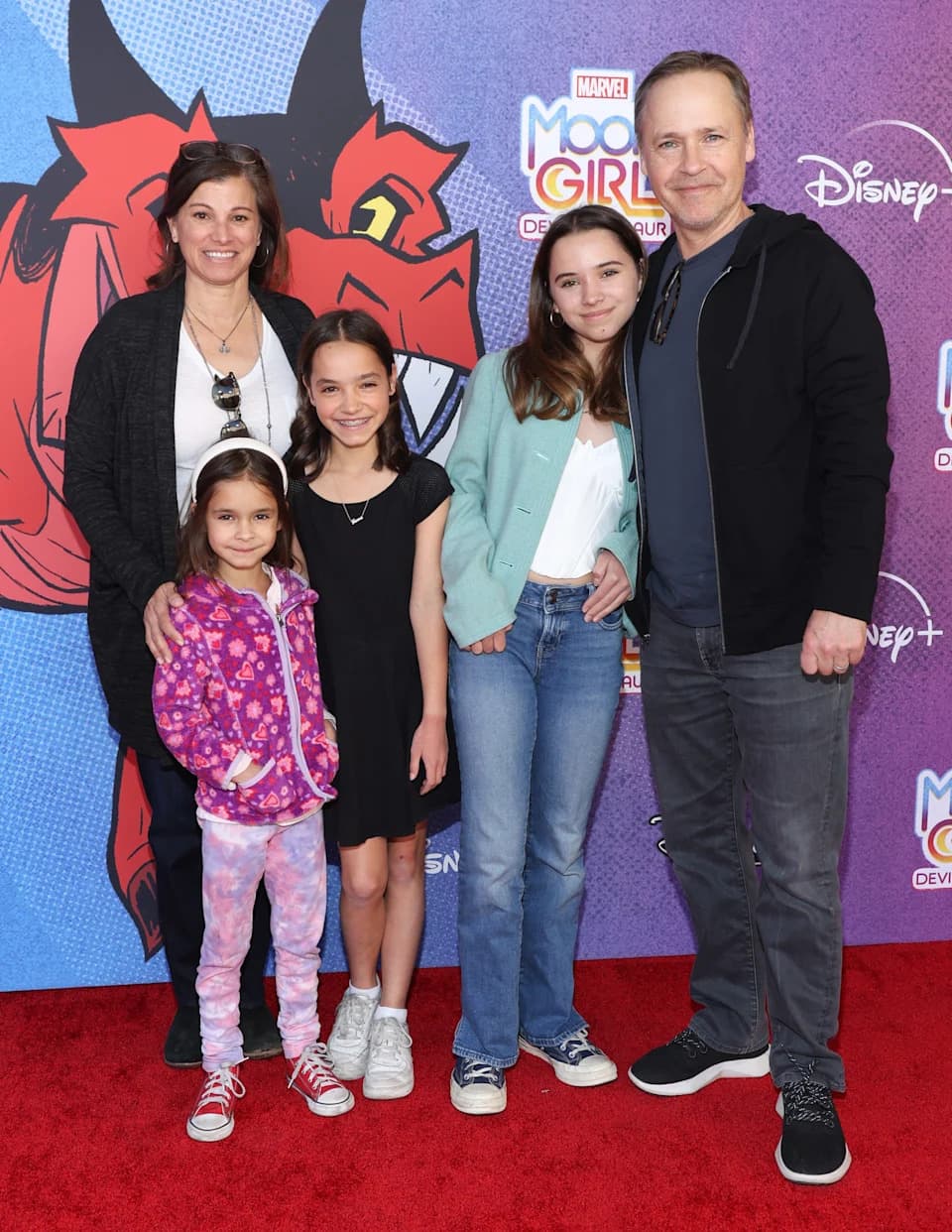
Chad Lowe, right, Kim Painter, Nixie Lowe, left, and daughters Fiona Lowe and Mabel Lowe attend the red carpet premiere event for Disney Branded Television's and Marvel's "Moon Girl And Devil Dinosaur" at Walt Disney Studios on Feb. 4, 2023, in Burbank, California.
The Los Angeles County Department of Medical Examiner ruled that Fiona Hepler Lowe, the 13-year-old daughter of actor-director Chad Lowe, died by suicide on Sept. 29. The family said she passed in a hospital and asked for privacy as they grieve.
Family Statement:
“We are deeply heartbroken by the loss of our beloved Fiona,” the family told People on Sept. 29. “She was a loving young girl who was smart, creative, and loved to dance. She was adored by her sisters and she was deeply loved by her parents. In fact, she was the light of our lives. Her passing is devastating for our entire family and we ask for prayers and privacy at this time.”
The family also included the 988 Suicide & Crisis Lifeline in their message and encouraged anyone struggling with mental health to reach out by calling or texting 988.
Why Losing a Child Can Feel So Disorienting
Grief after the death of a child is often described as profoundly disorienting because it upends the expected sequence of life. Many parents hold an implicit belief that they will die before their children; when that expectation is shattered, it can trigger not only intense sadness but also existential confusion about the world and the future.
Therapists note that bereaved families must grieve both the loss itself and the life that was expected — the milestones, relationships and experiences that will never occur. That double burden can make grief feel especially complex and long-lasting.
Why Grief After Suicide Can Be More Complicated
Losses by suicide commonly bring additional challenges: survivors often search for missed warning signs, feel guilt or ask whether they could have done more, and may face stigma that isolates them from compassionate responses. Mental-health professionals stress that while suicide is preventable through public-health measures and education, no single person is to blame for another’s suicide.
“This kind of grief can feel isolating because others don't always know what to say, or they say the wrong thing,” grief therapist Gina Moffa has said. When grief is not met with empathy, it can become internalized and lead to depression over time.
Understanding Teen Suicide Risk
Experts emphasize that suicidal behavior rarely has a single cause. Adolescents’ brains — including executive functioning, abstract thinking and decision-making — continue to develop into the mid-20s, which can contribute to impulsive behavior and an increased focus on immediate feelings over long-term consequences. Risk factors include mental-health disorders (such as depression, anxiety, and substance use), environmental factors (access to firearms or drugs, stressful life events), and historical factors (family history of suicide, childhood trauma).
Harkavy-Friedman of the American Foundation for Suicide Prevention notes that teens may act more quickly on intense emotions, which can make prevention and steady adult support especially important.
Resources and Support for Survivors and Those in Crisis
Families and survivors can find specialized support through organizations that focus on suicide bereavement. The American Foundation for Suicide Prevention (AFSP) provides referrals to clinicians and support groups trained in suicide loss. Comfort Zone Camp and similar organizations run grief support programs and camps for children and teens who have lost a parent or sibling.
Immediate Crisis Help: Call or text 988 to reach the U.S. Suicide & Crisis Lifeline 24/7. For confidential, 24/7 text support, text HOME to 741741 to reach Crisis Text Line volunteers.
Grief counselors advise allowing grief to be felt rather than rushed: let it move in waves, accept support when offered, and seek professional help if feelings of depression, isolation, or suicidal thoughts arise. Living with the loss — rather than trying to “move on” from it — is often a healthier and more realistic path toward long-term adjustment.
Help us improve.