New genetic research of 2,285 humpback whales finds the Arabian Sea population is genetically distinct from North Atlantic, North Pacific and Southern Hemisphere groups, supporting recognition as Megaptera novaeangliae indica. The study reports very limited gene flow and the lowest genetic diversity among regions analyzed. Historical DNA from an 1883 Basra specimen aligns with the modern Arabian Sea lineage. Small population size, non-migratory behavior and Endangered status on the IUCN Red List underscore urgent conservation needs.
New Genetic Study Strengthens Case That Arabian Sea Humpbacks Are a Distinct Subspecies
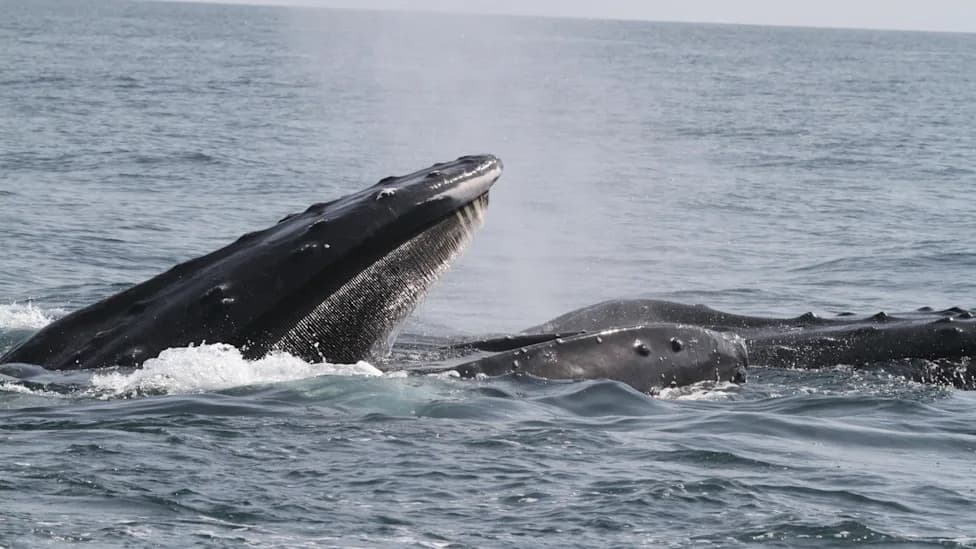
Mouths agape, two Arabian Sea humpback whales surface inside a 'bubble net' in theHallaniyat Bay in Oman. The whales trap fish by blowing bubbles as they ascend around their prey–a distinctive cooperative feeding behavior that was documented for the first time in thispopulation when this photo was taken.
New genetic evidence suggests the Arabian Sea humpback whale population has been evolving separately for tens of thousands of years and may deserve recognition as its own subspecies.
Study Overview and Key Findings
An international team of researchers compared DNA from 2,285 humpback whales across the globe and found the Arabian Sea population is genetically distinct from humpbacks in the North Atlantic, North Pacific and Southern Hemisphere. Published in Frontiers in Marine Science, the study shows very limited gene flow between the Arabian Sea group and other humpback populations, and reports that Arabian Sea whales have the lowest genetic diversity among the regions analyzed.
Subspecies Proposal
Based on genetic and morphological evidence, the authors support classifying the population as Megaptera novaeangliae indica. The team also re-examined historical DNA from an 1883 specimen collected near Basra, Iraq—originally described as Megaptera indica—and found it aligns closely with the modern Arabian Sea lineage. Formal taxonomic recognition rests with the Society for Marine Mammalogy's Taxonomy Committee.
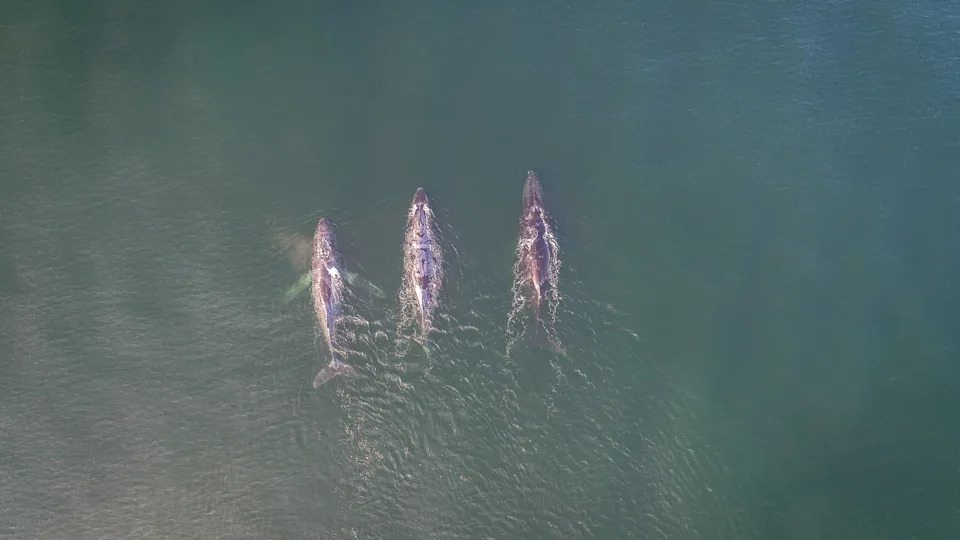
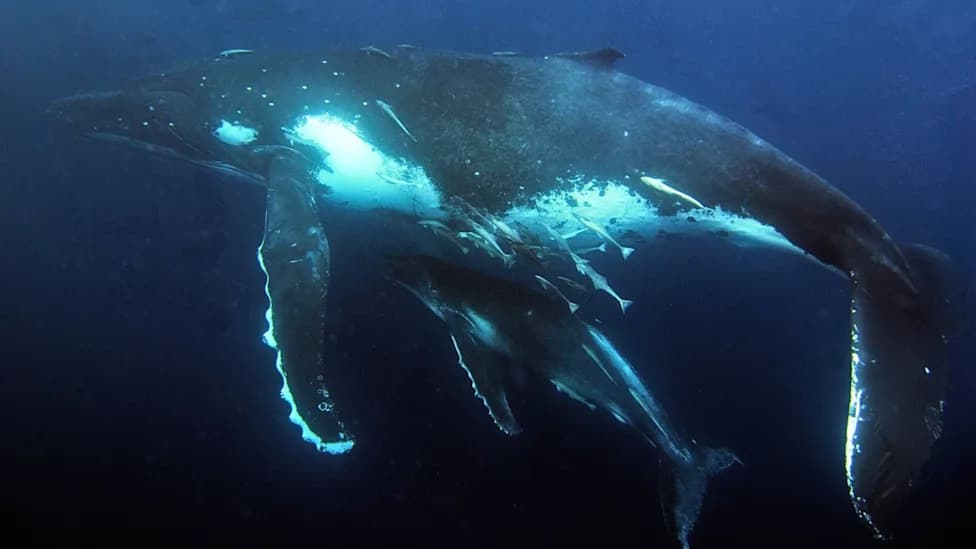
Observed by drone, two males flank a female Arabian Sea humpback whale during the breeding season in the Gulf of Masirah. Drones are increasingly being used to monitor the size and body condition of the whales, a task essential to informing conservation strategy for the isolated population.Image: Matthew Leslie.
“Arabian Sea humpback whales have long been an enigma to the scientific community. Their ecology is unlike that of any other known humpback whale population, and this new genetic work represents an important milestone in understanding how that uniqueness developed,” said Ana Rita Amaral, a study co-author with the Wildlife Conservation Society. “The results clearly indicate the Arabian humpback whales have followed their own evolutionary trajectory for tens of thousands of years and support their recognition as a distinct subspecies.”
Behavior, Ecology, and Vulnerability
Unlike many humpback populations that undertake long seasonal migrations, Arabian Sea humpbacks remain in tropical and subtropical waters year-round. They are the only known humpback group where individuals appear to both feed and mate in the same geographic area, and they sing a distinct song recorded only within the Arabian Sea. These unique ecological traits, combined with low genetic diversity and a small population size, make them particularly vulnerable to threats.
The population shows little clear recovery over the past two decades and is currently listed as Endangered on the IUCN Red List. The authors and regional partners stress that the genetic distinctiveness adds urgency to conservation measures, including continued monitoring, bycatch and entanglement mitigation, reducing ship strikes and noise, and protecting critical habitat.
“The growing body of research on Arabian Sea humpback whales has given Oman an increasingly clear understanding of both the importance of this population and the pressures it faces,” said Aida Al Jabri of the Environment Authority of Oman. “This evidence is now helping us move from scientific understanding towards practical conservation action.”
Drone observation has become an important monitoring tool; researchers have used drones to document social behaviour, assess body condition, and help estimate numbers (Image: Matthew Leslie).
What Comes Next?
Recognition as a distinct subspecies would raise the conservation profile of Arabian Sea humpbacks and could influence regional protection measures. Further genetic, acoustic, and long-term population monitoring will help clarify their status and inform targeted conservation strategies.
Help us improve.