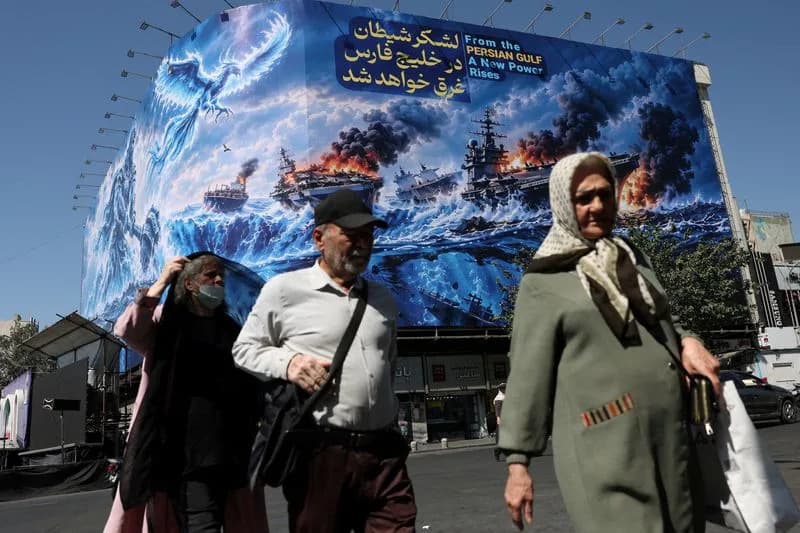
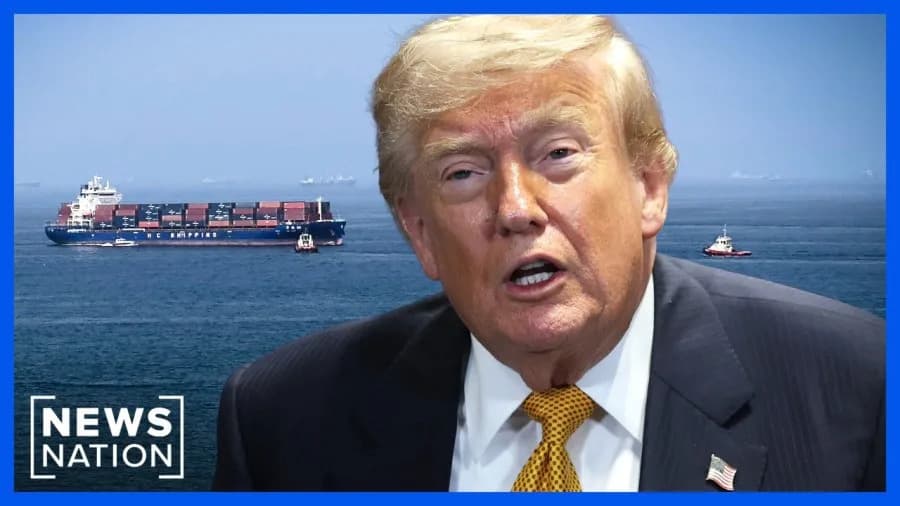
Summary: The U.S. and Iran both claim to prefer diplomacy, but conflicting negotiating timetables, entrenched mistrust and intense domestic pressures have repeatedly derailed talks. Short deadlines set by Washington and Iran's preference to play for time have produced mismatched expectations. Accusations of cheating — including strikes during talks and post-agreement attacks on shipping — have hardened positions, leaving the region vulnerable to another flare-up if negotiations fail.
Talking Past Each Other: Why U.S.–Iran Negotiations Keep Collapsing
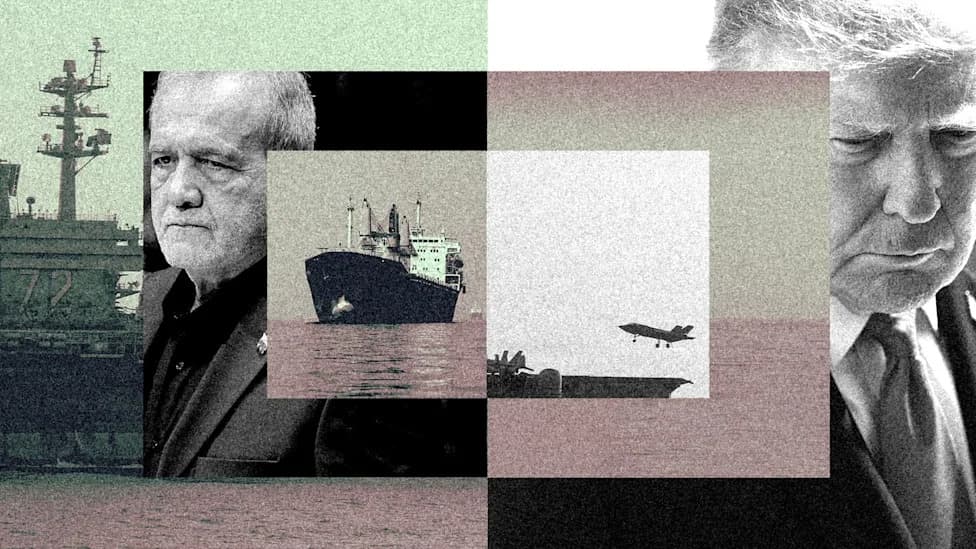
Photo Illustration: Brendan Lynch/Axios. Photos: Getty Images
The Trump administration and Iran's leadership both say they prefer a diplomatic end to the conflict, yet repeated negotiation attempts have unraveled and been followed by renewed fighting. Deep differences in timing, negotiating culture, mutual mistrust and intense domestic politics have combined to make a durable deal elusive.
Why It Matters
Over the last 18 months, two failed negotiation rounds were followed by outbreaks of violence. The June MOU collapsed within days and was followed by attacks in the Strait of Hormuz. If the current push for a diplomatic breakthrough stalls, analysts warn another flare-up could occur within weeks.
Timing and Negotiating Styles
One major obstacle is disagreement over the pace of talks. President Trump has repeatedly pushed for rapid, high-profile deals — most prominently a 60-day deadline he announced in April 2025 — and has grown impatient when progress is slow. Iranian negotiators, by contrast, prefer protracted bargaining, indirect channels and low public visibility, seeing time as a bargaining asset.
"America under Trump is the attention-deficit superpower ... Iran under the Islamic Republic is the obsessive-compulsive theocracy," Karim Sadjadpour of the Carnegie Endowment told Axios. "Trump has ADD; Iran has OCD."
Mistrust and Accusations
Mutual suspicion sits at the center of the standoff. Tehran accuses the U.S. of striking during negotiation periods and using talks to mask preparations for military action. Washington insists Tehran violated the June agreement by launching attacks on commercial vessels days after the pact was signed. U.S. officials also doubt that hardline elements such as the Islamic Revolutionary Guard Corps would honor any compromises negotiated by more pragmatic leaders.
Domestic Political Pressure
Negotiations are politically fraught at home on both sides. Iranian officials who advocate compromise face relentless criticism, pushing them toward harder positions. In the U.S., Trump faces pressure from the right not to concede and from the left over any deal perceived as too conciliatory — a dynamic that has forced repeated retreats from more moderate stances.
What To Watch
White House envoys Steve Witkoff and Jared Kushner, along with Vice President Vance, continue to press for diplomacy. But President Trump has voiced growing skepticism, saying recent Iranian offers "are not good enough" and suggesting he may resume major combat operations. Iranian President Masoud Pezeshkian has defended continued talks, while elements of the IRGC argue that only increased battlefield pressure will change the strategic balance.
"We have never and will not run away from dialogue, although the U.S. targeted our country three times despite having signed the agreement," President Pezeshkian said, referring to the June MOU.
Absent a credible pathway to rebuild trust and manage internal political constraints on both sides, the stand-off is likely to persist — and with it the risk of renewed military escalation.
Help us improve.