Republican leaders and candidates are increasingly criticizing major corporations, signaling a shift in the GOP’s relationship with business ahead of the 2026 midterms. While Republicans still pursue tax cuts and deregulation, Trump-era populism has driven tougher rhetoric against banks, insurers and tech firms. Analysts warn this could produce bipartisan coalitions or intensified oversight that pose real risks to corporate America in upcoming sessions of Congress.
Grand Old Populists: How GOP Lawmakers Are Turning on Big Business
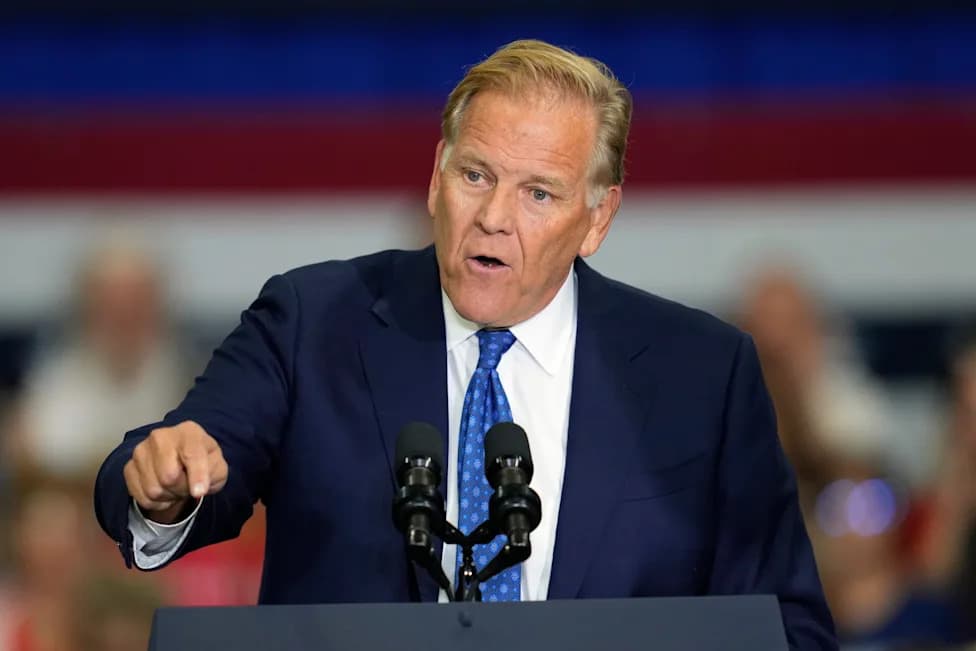
Grand Old Populists: GOP lawmakers target big business
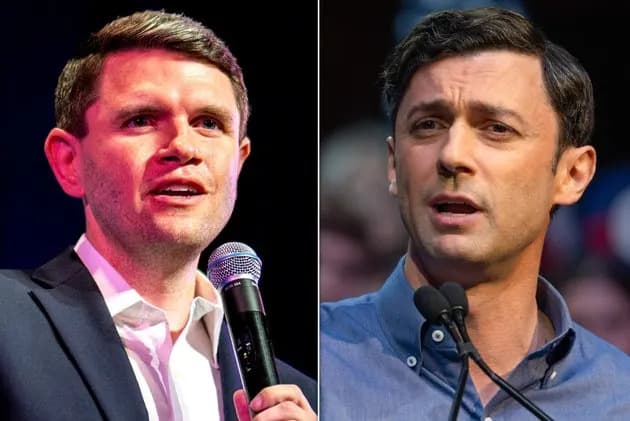
Across Republican strongholds, prominent GOP lawmakers and candidates are sharpening their attacks on large corporations — a notable shift in the party’s relationship with business interests. On television in central Arkansas, House Financial Services Chair French Hill is promoting efforts to "keep Wall Street from buying up our neighborhoods." In Michigan, GOP Senate hopeful Mike Rogers vows to "take on Big Pharma" firms he says are "ripping American families off." And in northeast Iowa, an ad for Republican congressional candidate Joe Mitchell touts that he "will be the only Republican refusing corporate PAC money" in Washington.
Populist Rhetoric Meets Traditional Pro-Business Policies
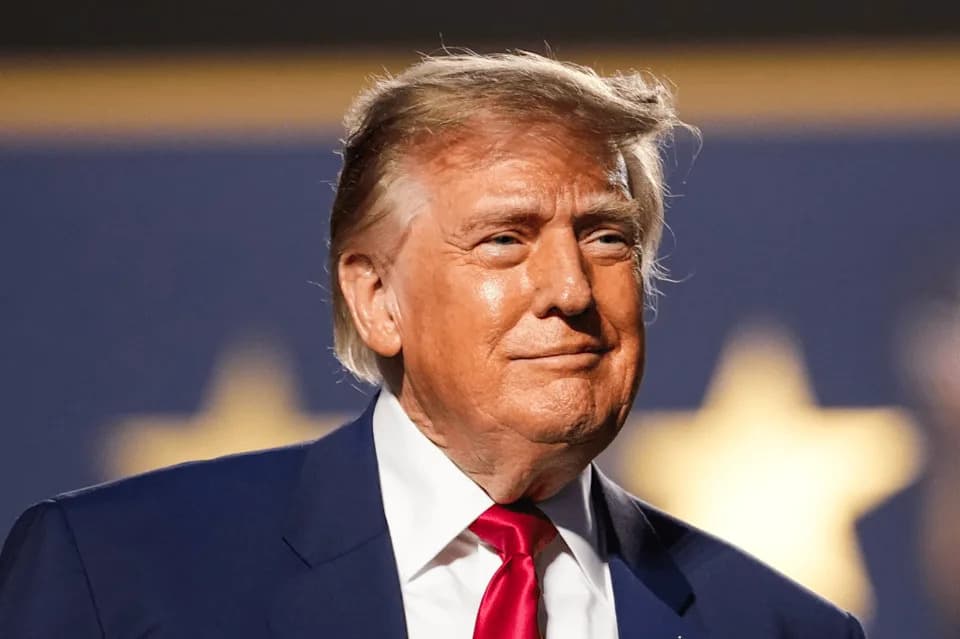
What once was often restricted to the political left is now becoming common ground across the Republican spectrum: criticism of powerful corporations. Historically, large companies have regarded Republicans as reliable allies because GOP lawmakers favor lower taxes and lighter regulation. Yet the rise of Donald Trump has amplified skepticism toward multinational firms and put populist economic themes at the center of many Republican campaigns ahead of the 2026 midterms.
This rhetoric is already targeting specific sectors — notably financial services, health insurers and big tech — and it poses both short- and long-term risks for corporate America. Candidates framing themselves as opponents of powerful business interests could make large companies frequent targets of scrutiny and political confrontation, including from future Republican presidential contenders.
"There should be a shifting relationship between Republicans and Wall Street for sure," said Sen. Josh Hawley (R-Mo.). "I mean, what do those people do for America?"
Policy Tension: Deregulation and Tax Cuts Versus Populist Crackdowns
The GOP has not abandoned its pro-business instincts entirely. Congressional Republicans enacted a major tax package during the second Trump administration that pleased business groups, and Trump-appointed regulators have rolled back rules benefiting industries such as banking. Many Republican leaders continue to champion free enterprise as central to economic growth.
Still, campaign-season heat has revealed how precarious corporations’ standing has become in Washington. Populist messaging that casts companies as exploitative or out of touch can produce political momentum for tougher oversight or targeted legislation.
Where Bipartisanship Could Bite
Analysts warn the political environment could produce cross-party coalitions that enact policies once thought to be primarily Democratic territory. Rohit Kumar, a former top aide to Senate Republican leader Mitch McConnell, suggested a more Trump-influenced GOP could increasingly pursue such measures. In the short term, Democrats appear well-positioned to retake at least one chamber of Congress, and some policy paths — like those requiring a 60-vote Senate coalition — could unite populist-minded Republicans and Democrats on issues backed by Trump.
Earlier this year, lawmakers passed a housing affordability bill that included a provision limiting private equity’s footprint in the single-family rental market — a rare alliance between the White House, progressive Democrats such as Sen. Elizabeth Warren and populist Republicans. Other ideas with bipartisan potential that Trump has championed include capping credit-card interest rates and imposing limits on swipe fees charged to merchants.
Corporate Consequences
Even without sweeping bipartisan legislation, a Democratic-controlled Congress could pursue an aggressive oversight agenda that targets large firms. Kevin Madden, a veteran GOP strategist, warned that companies can no longer simply keep their heads down; they must engage politically to manage regulatory, legislative and reputational risks.
"The risk is that it starts to become part of every policy conversation, whether it's legislative, political, regulatory, reputational," Madden said. "If the political incentives are there for Republicans to go after corporations and business interests, that's a problem."
Some Republicans stress they support business generally while opposing specific abuses. Sen. Bernie Moreno (R-Ohio), who backed the private-equity restriction in the housing bill, said he supports companies that "do the right thing" and criticized executives who take advantage of workers or consumers — using coarse language to emphasize his point that bad actors should face consequences.
The evolving rhetoric suggests corporate America faces a more volatile political landscape: continued deregulatory and tax-friendly moves on one hand, and rising populist pressure and potential bipartisan crackdowns on the other.
Help us improve.