The author joined a licensed catch-and-release bluefin tuna trip from Mylor Yacht Harbour to witness the species' return to UK waters. The article describes feeding frenzies led by sardines and sprats, attended by dolphins and seabirds, and recounts battling a roughly 280 lb tuna. It highlights welfare-focused practices developed with Natural England and argues that conservation success can benefit coastal communities while inspiring wider advocacy for ocean protection.
A Day with Bluefin Tuna: A Powerful Example of Conservation in Action
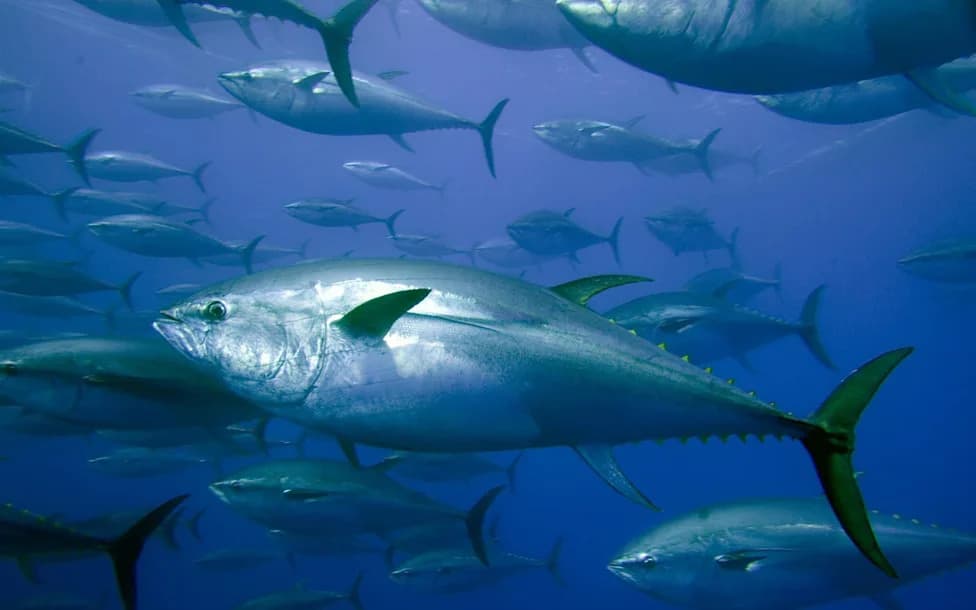
Bluefin tuna in the Mediterranean - GAVIN NEWMAN /EPA
Few signs are more persuasive of a recovering marine environment than the reappearance of a species once absent from our seas. That truth hit home when I joined a licensed catch-and-release bluefin tuna trip off the Cornish coast to witness one of the UK's most remarkable conservation comebacks.
A Day at Sea
We set out from Mylor Yacht Harbour, near Falmouth, aboard the charter vessel True Blue under skipper Steve Porter. Despite choppy conditions, Steve scanned the water for feeding birds — diving gannets and flocks of gulls that signal shoals of small prey. Where sardines and sprats are driven to the surface by predators, seabirds and dolphins gather, and tuna often follow.
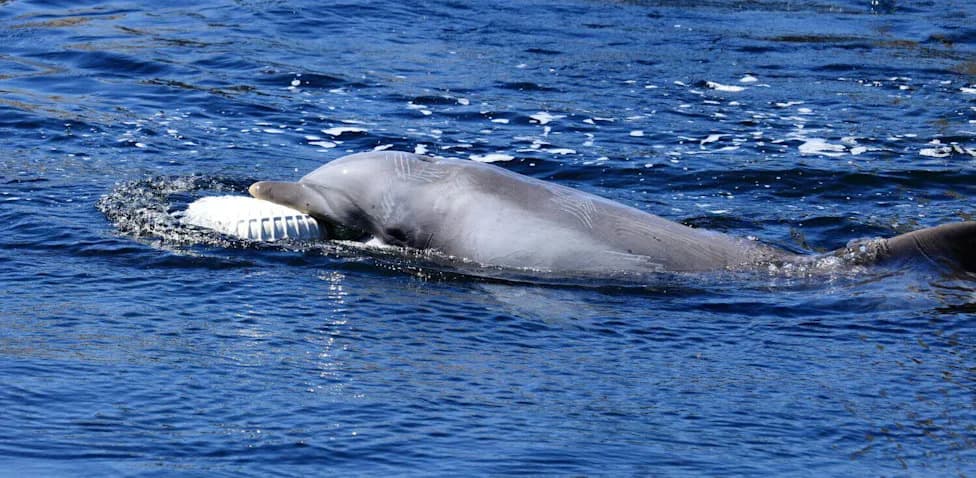
About 12 miles offshore we encountered exactly that scene: pods of common dolphins charging a panicked shoal, Manx shearwaters and storm petrels diving for broken fragments of fish, and the sea literally frothing with activity. After the frenzy subsided, only sinking silver scales caught the summer light.
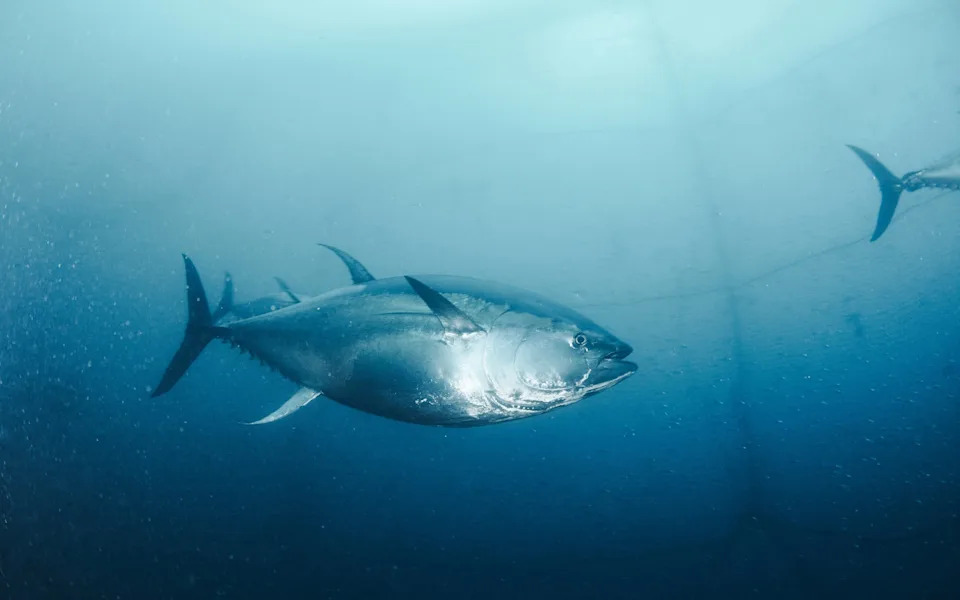
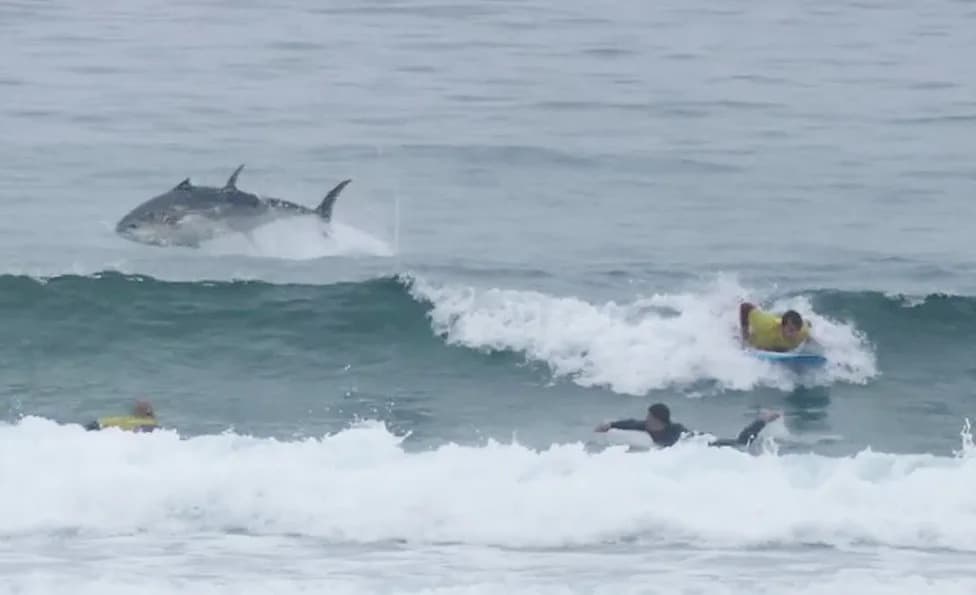
Bluefin tuna are among the ocean's most impressive hunters - A. Martin UW Photography
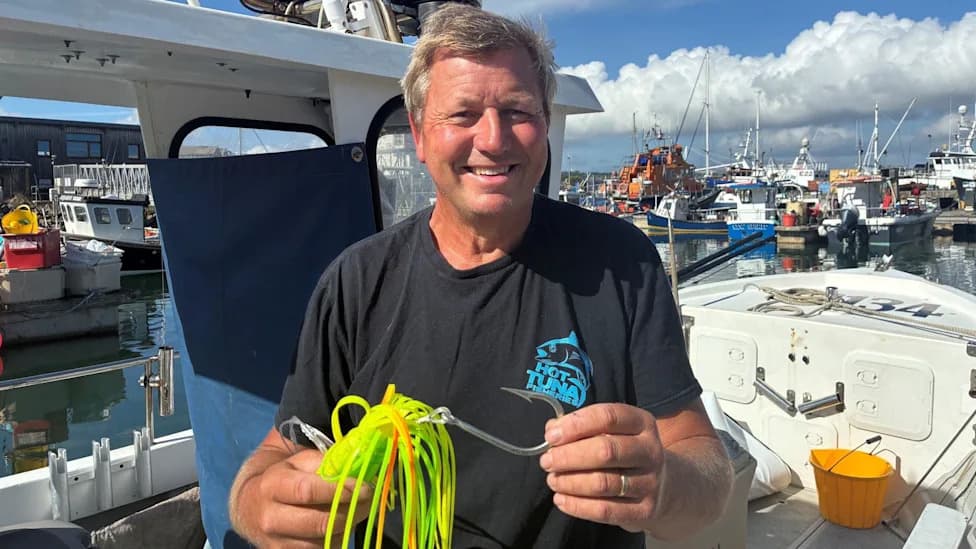
We spent the day following such frenzies up and down the coast. Just as we were preparing to return to port, a line screamed off — the unmistakable, unforgettable power of a bluefin. The tuna we hooked was roughly six feet long and estimated at about 280 lb. These fish combine immense speed, stamina and strength, testing angler and gear alike.
Welfare First: How the Fishery Operates
The modern UK catch-and-release bluefin fishery has been deliberately developed through collaboration between government bodies, scientists, charter skippers and Natural England. It is built around mandatory training, specialist equipment and a detailed code of practice designed to minimise stress and maximise post-release survival.
Onboard, professionalism and attention to welfare were evident. Heavy tackle is used to subdue fish quickly, hooks are removed carefully, fish are handled minimally and revived as needed, and releases are conducted without ever lifting the fish clear of the water whenever possible. Many anglers on the trip came from specimen carp backgrounds, where fish welfare is a strong norm, and that ethic translated directly to tuna handling.
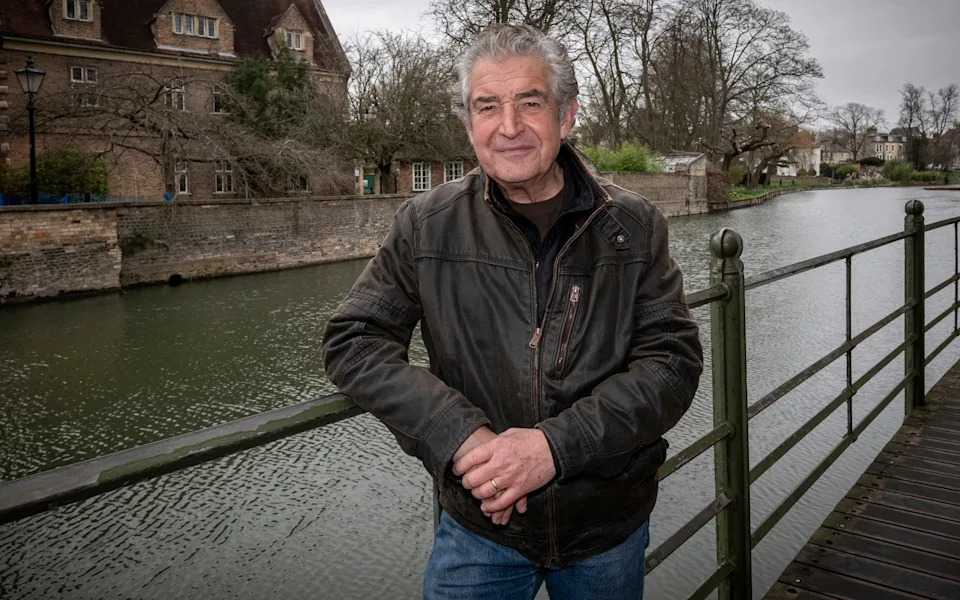
Natural England Chairman Tony Juniper - Jason Bye
"With the right safeguards, people and nature can thrive together."
Conservation, Communities and Challenges
The bluefin's return — first widely noted around 2014 after being absent from British waters since the mid-1950s — shows how recovering ecosystems can create new opportunities. A single live bluefin can generate substantial value for coastal communities through charter fishing, tourism and associated businesses while continuing to play its ecological role as an apex predator.
That said, the fishery faces ongoing challenges. Growing public interest, the need to maintain consistently high standards across operators and ensuring effective compliance with welfare protocols remain priorities. The atmosphere among those involved, however, was broadly one of shared commitment to protecting the resource that sustains the fishery.
Why This Matters
Beyond economics and sport, the trip was a reminder that direct experiences with wildlife can inspire advocacy. Anglers have long been voices for pollution reduction, habitat protection and sustainable management. Seeing dolphins, seabirds and a thriving bluefin in the same place left many of us energised and more determined advocates for ocean protection.
For me, the day was more than a fishing trip: it was a living example of nature's recovery in action and proof that carefully regulated, welfare-focused activities can let people benefit from — and champion — healthier seas.
Tony Juniper is Chair of Natural England.
Help us improve.