Australia's eSafety regulator found "significant gaps" in child safety measures on Steam, Roblox, Fortnite and Minecraft after a review covering October 2025–March 2026. Key concerns include weak or inconsistent age verification, limited use of widely adopted detection technology, and uneven industry information-sharing. The regulator has called on platforms to strengthen detection tools, retrain language models regularly, improve age checks and share breach information to better protect children online.
Australia Says Major Gaming Platforms Have 'Significant' Child-Safety Gaps — Regulator Demands Stronger Protections
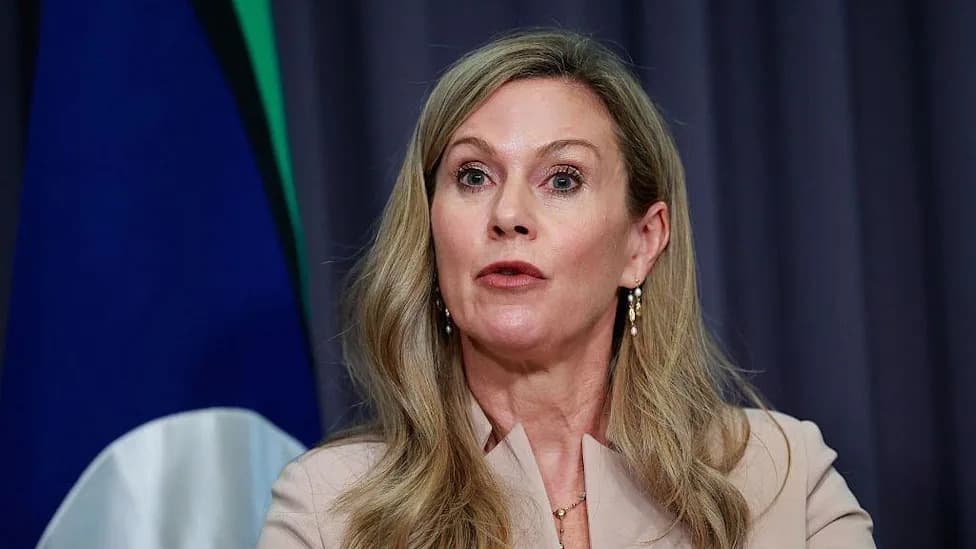
eSafety Commissioner Julie Inman Grant says gaming platforms must "lift their game" on child safety [Getty Images]
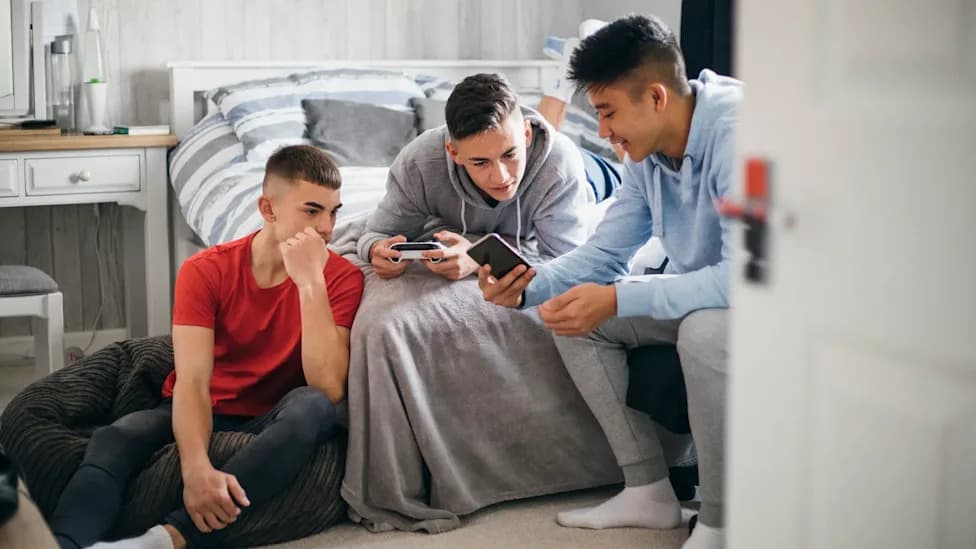
Australia's online safety regulator has identified "significant gaps" in how leading gaming platforms protect children, finding inconsistent safeguards across Steam, Roblox, Fortnite and Minecraft. The report notes that nine in 10 Australian children aged 8 to 17 have played online games, increasing the urgency of stronger protections.
"Australian children have a right to play online without being exposed to predators, sexual extortionists, violent extremist content or other harmful material," said eSafety Commissioner Julie Inman Grant.
Key Findings
The regulator's review (October 2025–March 2026) highlighted several gaps:
- Detection Technology: Valve (operator of Steam and Steam Chat) was the only provider not using a widely adopted form of detection technology commonly used to identify and remove known harmful material.
- Chat Monitoring: Valve did not proactively deploy tools to detect child sexual exploitation or violent content in chats; its systems were reported to focus mainly on scam detection.
- Model Training: Roblox and Valve were found to rely largely on internal datasets for language-detection models and did not retrain those models regularly.
- Age Verification: Minecraft and Fortnite generally allow users to self-declare age, which can let people claiming to be adults access higher-risk communication features. Steam also relied on self-declaration but has recently introduced credit-card age checks; Roblox strengthened age checks since December.
- Information Sharing: Mojang Studios (Minecraft) and Roblox participated in industry initiatives and shared expertise on combating child sexual exploitation and violent extremism, whereas Valve did not. Epic Games (Fortnite) failed to disclose breach instances under a global programme designed to tackle child sexual exploitation and abuse.
Responses And Context
Roblox said it "prioritises the safety of our Australian community, especially the youngest users" and has invested heavily in safeguards, including mandatory age checks. Valve, Epic Games (Fortnite) and Microsoft (which owns Minecraft) were contacted for comment.
The eSafety Commission's findings follow high-profile Australian policy moves on online safety, including a world-leading ban on social media for under-16s introduced last December (which excluded gaming platforms) and a push to require tech companies to offer users the option to opt out of social media algorithms.
What the Regulator Wants
The eSafety Commissioner urged platforms to strengthen age verification, adopt widely used detection tools, regularly retrain language-detection models, improve proactive monitoring of chat channels for exploitation and violent content, and participate fully in industry information-sharing programmes.
Failure to address these gaps, the regulator warned, increases the risk that predatory adults could contact and groom children for sexual exploitation or radicalisation.
Help us improve.