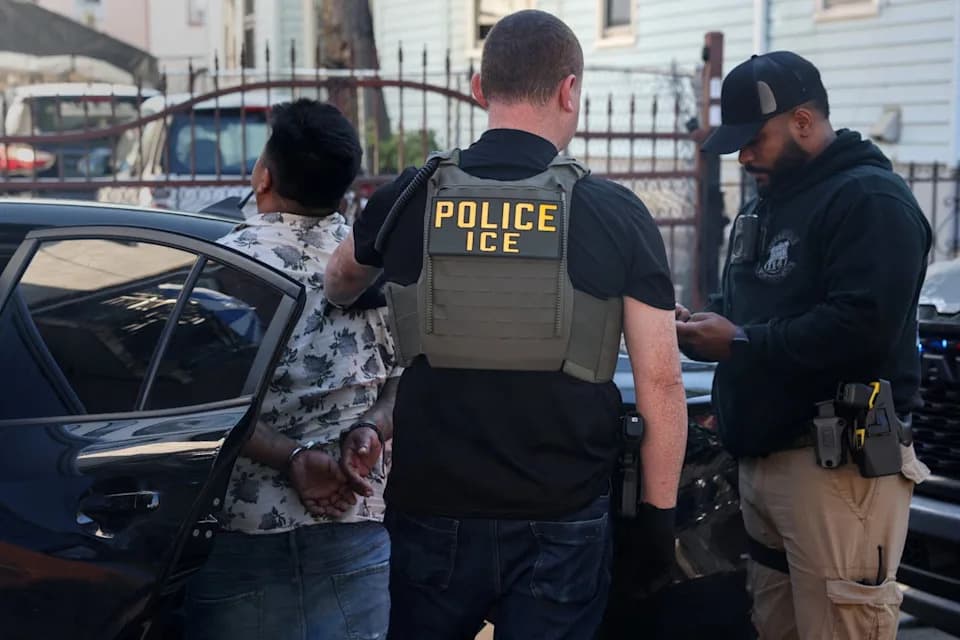
Ohio Secretary of State Frank LaRose says ICE agents will not patrol polling places for the Nov. 3 election and has urged county boards not to change procedures based on rumors. His Oct. 1 memo stresses readiness but warns against fear-driven actions as early voting begins. A Sept. 10 lawsuit seeks to block ICE from polls, while DHS says officers would only attend to serve warrants or respond to specific threats. LaRose asked counties to report credible federal law-enforcement activity affecting polling sites.
LaRose: ICE Will Not Patrol Ohio Polling Places, Officials Urged Not to Act on Rumors
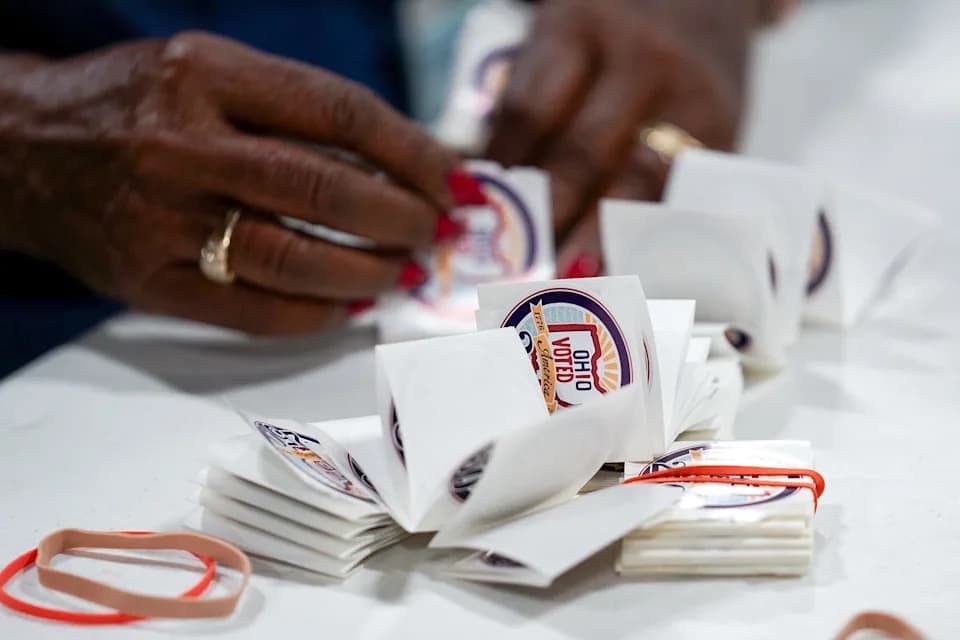
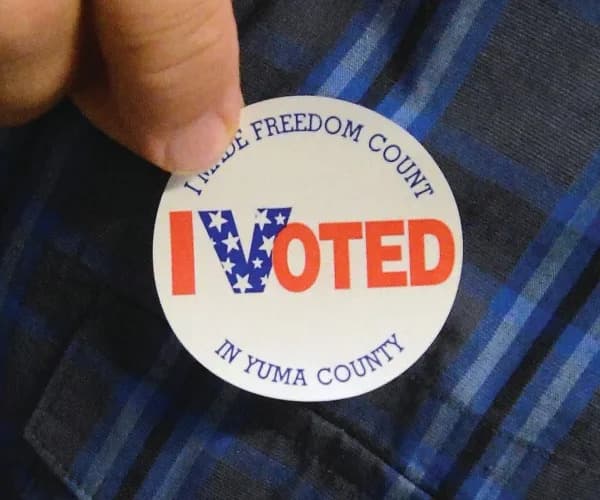
Volunteers pack voting stickers during a tour at the Hamilton County Board of Elections facility, Thursday, Sept. 24, 2026, in Norwood, Oh.
Ohio Secretary of State Frank LaRose has told county election boards that Immigration and Customs Enforcement (ICE) agents will not be patrolling polling places during the Nov. 3 election and urged officials not to change voting procedures based on speculation.
What LaRose Said
In an Oct. 1 memo obtained by the statehouse bureau, LaRose advised county boards of elections against altering procedures in response to "social media rumors, partisan commentary or speculation." He emphasized preparedness while warning that "fear is not an election plan, and rumor is not a security protocol."
"Whatever one's views on federal immigration policy, no eligible Ohio voter should be led to believe that exercising a lawful right to vote means walking into an immigration enforcement operation when the federal government itself says no such operation is planned," LaRose said.
Background And Concerns
Democrats and voting-rights groups have expressed concern that ICE presence at polling sites could intimidate voters, especially amid the Trump administration's aggressive immigration policies and calls for increased federal election oversight. A Latino civil-rights group filed a lawsuit on Sept. 10 seeking to bar ICE from polling locations, arguing that armed agents at the polls would deter voters.
Federal law also places limits on using troops at polling places, and Department of Homeland Security Secretary Markwayne Mullin said in September that ICE officers would go to polling sites only to serve warrants or respond to specific threats.
Local Impact And Preparations
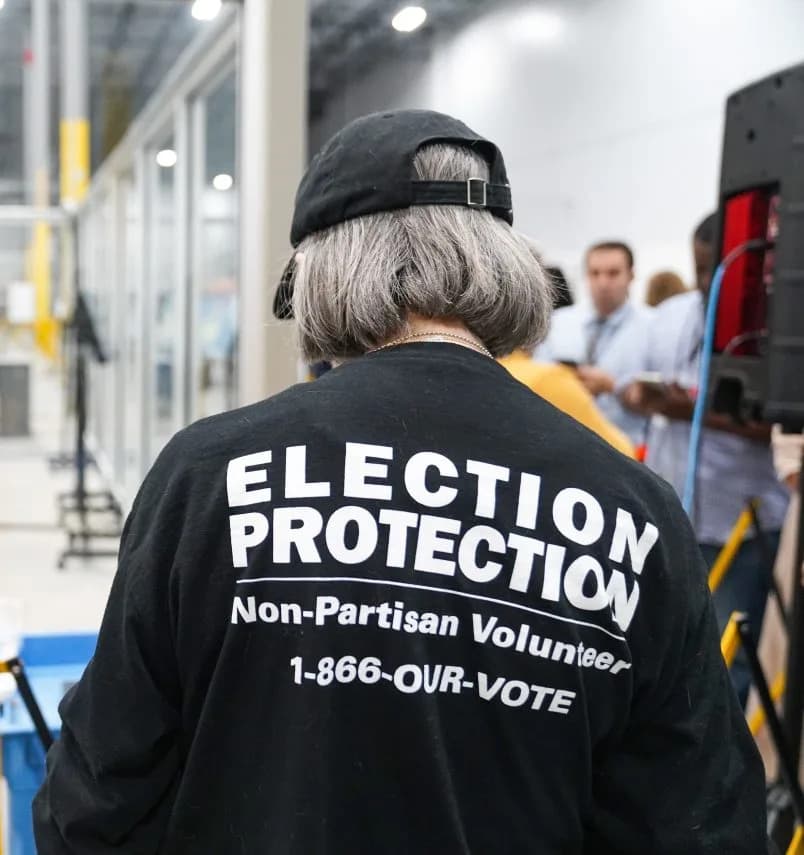
Aaron Ockerman, executive director of the Ohio Association of Election Officials, said boards around the state have been asking questions about how to respond if federal officers appear near polling locations. LaRose noted at least one county conducted a tabletop exercise to rehearse a potential ICE-related incident and said some poll workers resigned in another county "due to a perceived lack of clarity on the matter."
He asked election officials to notify his office if they receive credible information about federal law enforcement activity that could affect polling places.
Jen Miller, executive director of the League of Women Voters of Ohio, welcomed LaRose's statement: "The problem with rumors and fearmongering is that it could stop Ohio citizens from voting, and that would be unacceptable."
Why This Matters
Clear guidance from state officials aims to prevent confusion, reduce voter intimidation, and ensure that eligible voters feel safe exercising their rights. County boards are being urged to follow established procedures and report credible threats to state authorities.
State government reporter Haley BeMiller can be reached at [email protected] or @haleybemiller on X. This article originally appeared in The Columbus Dispatch.
Help us improve.