Referendum 3 would let Virginia Key LLC lease about 27.62 acres of Miami waterfront, starting with a 45-year term plus two 15-year extensions that could extend the lease through 2100. Supporters tout roughly $80 million in private investment, a $2.2 million minimum annual base rent and 6% of gross revenue, plus public amenities. Opponents — backed by Preserve and Protect Miami and local business owners — say the deal relies on outdated 2017 rent assumptions and call it a "75-year giveaway." A lawsuit challenging ballot language and appraisals is pending, with trial set for September 2027.
Miami TV Ads Escalate Fight Over Virginia Key Marina Lease — Critics Call It A "75-Year Giveaway"
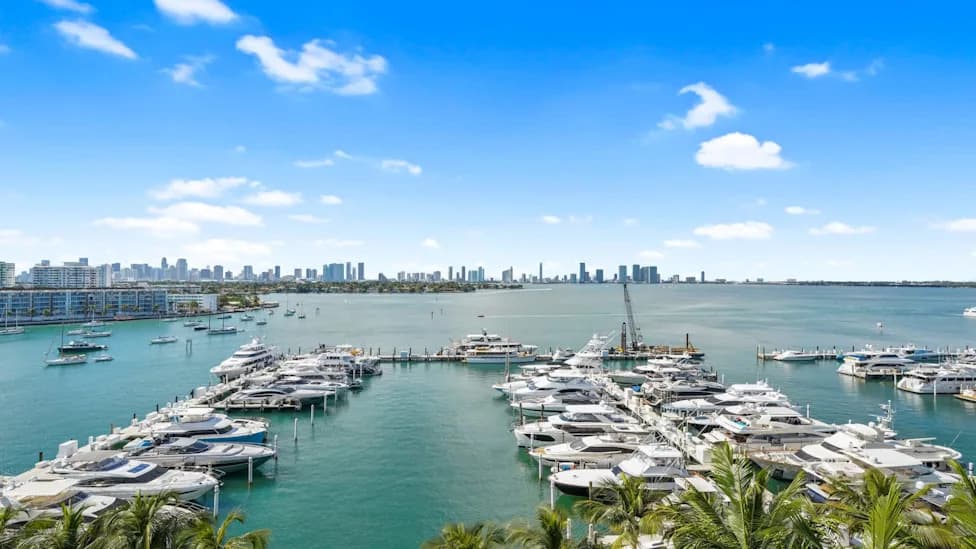
Photo Credit: iStock
Television advertising has entered a heated local fight over one of Miami's last large public waterfront parcels as voters prepare to decide Referendum 3 on the November 2026 ballot.
What the Referendum Would Do
The measure would allow Virginia Key LLC — a joint venture between Texas-based Suntex Marinas and RCI Group (which has an office in Miami Beach) — to lease roughly 27.62 acres of city-owned waterfront at the Rickenbacker and Marine Stadium marinas. The lease would begin with a 45-year term and include two optional 15-year extensions, potentially extending the agreement through 2100.
Supporters' Case
Backers say the project will bring about $80 million in private investment to upgrade marina infrastructure and add amenities such as parking, retail and restaurants, boat storage, a 1,200-foot baywalk, kayak and paddleboard launches, expanded green space with native trees, and living seawalls. Supporters say the city would receive at least $2.2 million a year in base rent plus 6% of gross revenue.
Opponents' Concerns
Opponents — organized under the group Preserve and Protect Miami and led publicly by Aabad Melwani (president of Rickenbacker Marina) and Adam Gersten (owner of Gramps Getaway) — launched a five-figure ad buy for two 30-second TV spots urging voters to reject the measure. Their core claim is that the deal locks the city into outdated financial assumptions, using 2017 rent figures that could produce below-market returns on prime public land and advantage outside investors over local residents and businesses.
"It hands out one of the last great stretches of public waterfront we have left and shuts out middle-class Miamians. It forces Miami into a lease based on below-market 2017 rents. That's unacceptable. Vote no on this 75-year giveaway."
Political And Legal Pushback
The dispute has played out at City Hall as well. At a June 11 meeting, Commissioner Miguel Gabela called the proposal "a bad deal for the city," and Commissioners Christine King, Damian Pardo and Ralph Rosado, plus Mayor Eileen Higgins, raised questions before the commission unanimously voted to place the referendum on the ballot.
Opponents also filed a lawsuit in July. Plaintiffs Adam Gersten, Rickenbacker Marina Inc., and Biscayne Marine Partners LLC allege misleading ballot language, material differences from the original 2017 winning bid, and that city appraisals do not prove the city would receive fair market value. Miami-Dade Circuit Judge Lisa Walsh declined to remove the question from the ballot; the broader case remains pending with a trial scheduled for September 2027.
Disputed Economics
The two sides continue to argue over the numbers. Plaintiffs' expert estimates an inflation-adjusted shortfall of $609,000 relative to the $2.2 million base rent, while RCI Group President Robert Christoph Jr. says city-commissioned appraisals found the proposed rent exceeds market value.
Why It Matters
This fight is about more than marinas: it raises questions about public shoreline access, whether taxpayers receive fair market value for publicly owned land, and the future character of Miami's waterfront at a time when open space and affordability are under pressure. Similar disputes have played out elsewhere in South Florida as communities weigh private development against public access and environmental concerns.
What to watch next: The TV ad campaign and public debate will intensify in the run-up to the November 2026 vote, while the pending lawsuit could reshape or delay implementation depending on its outcome in 2027.
Help us improve.