The article reports on a meeting of Miami's wealthy Cuban-Americans at the CANCC, where leaders sketched plans for rebuilding Cuba following the fall of the current government. Proposals range from creating a Cuban stock exchange to committees on energy and food security, but organisers say they will not invest while the regime remains. Analysts and many on the island view the plans with scepticism amid US sanctions, repeated blackouts and huge reconstruction costs, while ordinary Cubans mostly seek immediate relief from shortages.
Miami's Wealthy Cuban-Americans Draft 'Day After' Plans — Ambition Meets Skepticism and High Costs
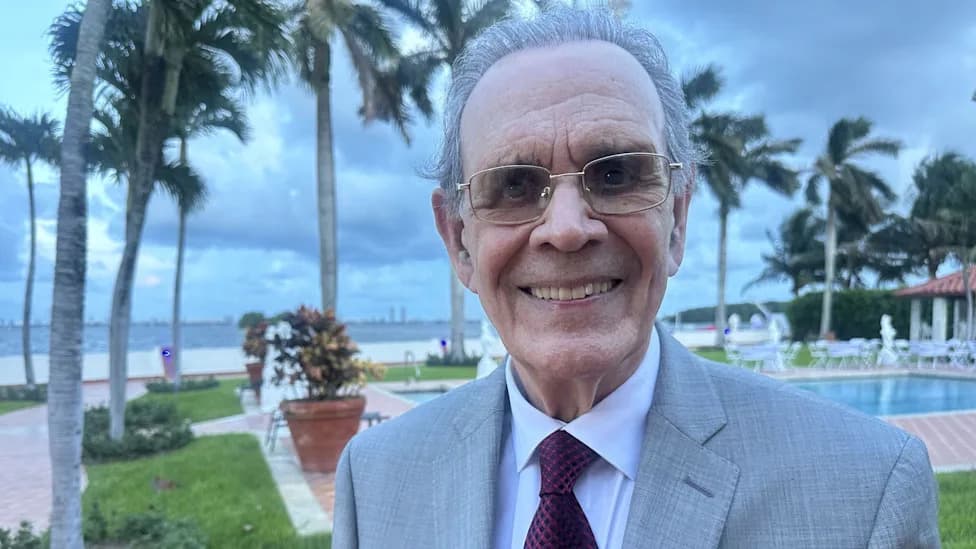
Juan Omar Sixto says he and his colleagues are ready to 'go and do business in Cuba right away' [BBC]
On a waterfront estate overlooking Biscayne Bay, some of Miami's most affluent Cuban-American families gathered for the fourth meeting of the newly formed Cuban-American National Chamber of Commerce (CANCC) to outline plans for a post-regime Cuba. With rum in hand and luxury watches on display, attendees — including familiar surnames from Miami's old-money Cuban community — sketched proposals they say are ready to deploy 'once the regime falls.' CANCC president Juan Omar Sixto, a real-estate developer who left the island as a teenager, framed the group's goal as preparing practical steps for immediate investment and reconstruction.
What They Propose
The CANCC has drawn up a range of proposals and committees focused on rebuilding key sectors. Among the ideas are establishing a Cuban stock exchange and working groups on energy infrastructure, food security and broader economic reconstruction. Organizers say they would coordinate humanitarian aid, deliver medical supplies and begin business operations as soon as a political transition allows.
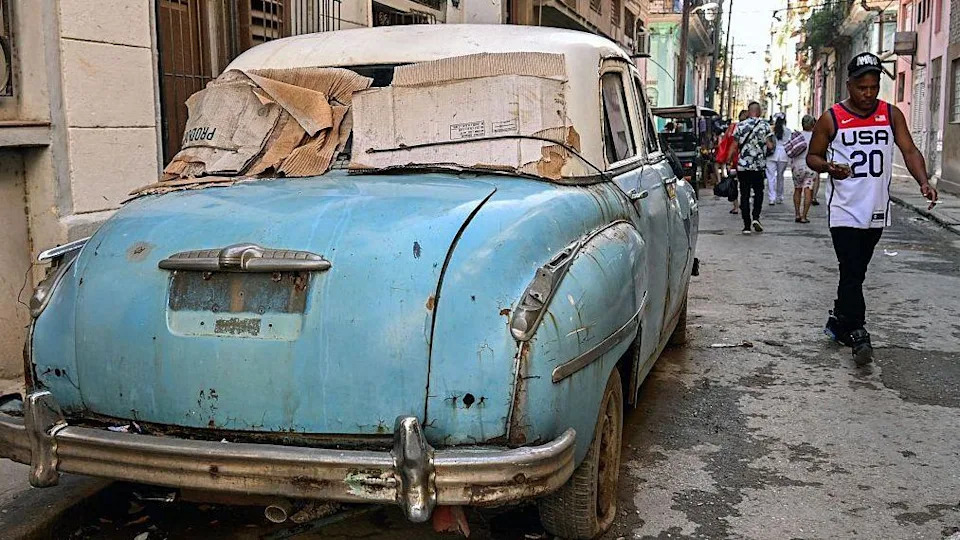
The economic situation in Cuba has worsened since a US blockade on the island importing oil [AFP via Getty Images]
Voices From The Meeting
'Together with deliveries of humanitarian aid and medical supplies, we'd go and do business in Cuba right away,' said Juan Omar Sixto.
Agricultural specialist Hugo Orizondo emphasised the need for capital and technology to boost food production, calling Cuba 'like a black hole' in terms of reliable information but full of investment potential. Nicolás Gutiérrez, president of the National Association of Sugar Mill Owners of Cuba (an exile organisation), said reclaimed land could be used for varied modern projects — from ethanol to solar power — with a focus on creating jobs and paying real wages.
Responses From Cuba And Analysts
Inside Cuba, many view the Miami planning with scepticism or resentment. Havana has responded to US pressure by announcing 176 economic liberalisation measures; the government presents them as moves to defend socialism while critics call some steps market-oriented. CANCC members, however, dismissed these reforms as cosmetic and say they will not invest while the current regime remains in power.
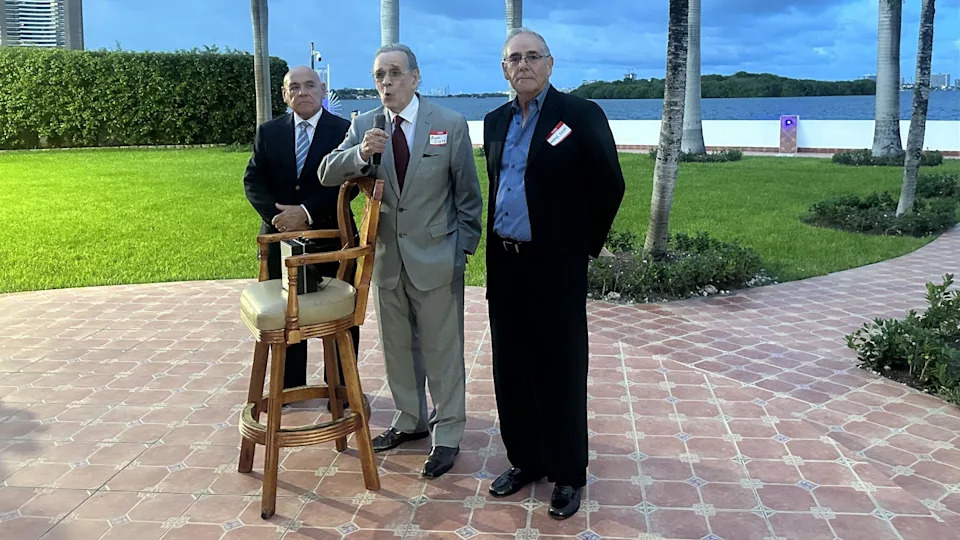
Juan Omar Sixto, centre, and his colleague have big plans drawn up for Cuba [BBC]
Analysts warn the CANCC's timetable may be optimistic. Mike Bustamante, an associate professor of history at the University of Miami, argues that high expectations of an imminent 'day after' have been pushed back and that US policy appears to be a gradual application of sanctions rather than a direct intervention. The effective cutoff of oil supplies this year has worsened everyday life on the island and contributed to repeated nationwide blackouts, but experts say these measures have not yet produced a clear political inflection point.
Restitution, Justice And Practical Challenges
Land restitution and compensation claims are central to many exile proposals. Sixto recalls his family losing multiple properties and a farm in Pinar del Río to nationalisation and describes his demand for restitution as 'moral justice.' Havana counters that those reforms redistributed land to workers and the state and portrays large-scale restitution claims as the reaction of a dispossessed elite.
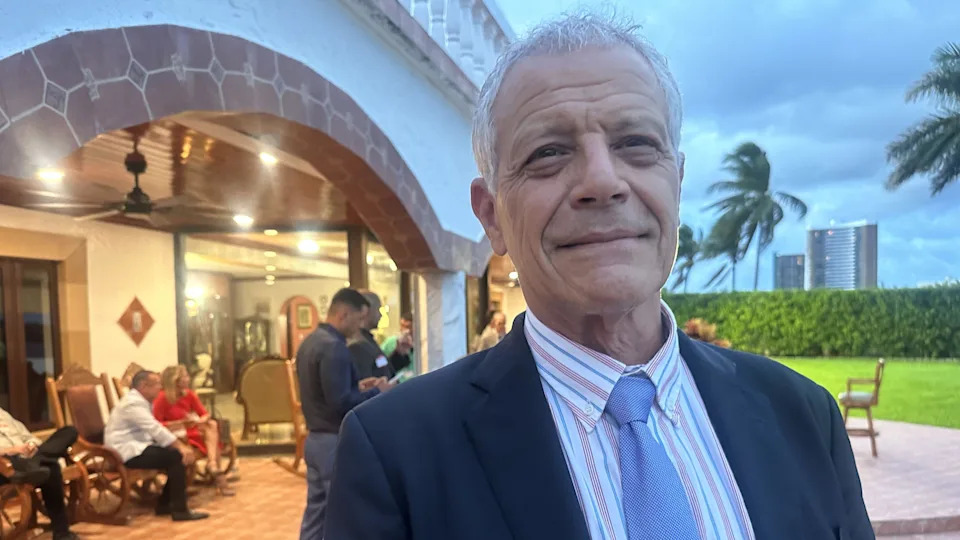
Hugo Orizondo admits it is difficult to know the current situation in Cuba [BBC]
Costs, Humanitarian Risks And Priorities
Even if political change occurs, the scale of rebuilding would be enormous. Repairing Cuba's failing electrical grid alone is estimated to cost between $8 billion and $10 billion. Before industry recoveries are possible, Cubans face acute shortages of food, water, fuel and medicine. Observers warn that any rapid political rupture could produce major social and humanitarian disruption on an island ill-equipped to absorb it.
The CANCC meeting highlighted a diaspora ready to invest and influence Cuba's future — motivated by a mix of political conviction, claims of justice and economic opportunity. But the gulf between ambitious plans in Miami and realities on the ground in Havana — including popular scepticism, political complexity and steep reconstruction costs — remains wide. For most people on the island, immediate relief from daily shortages is the pressing priority.
Help us improve.