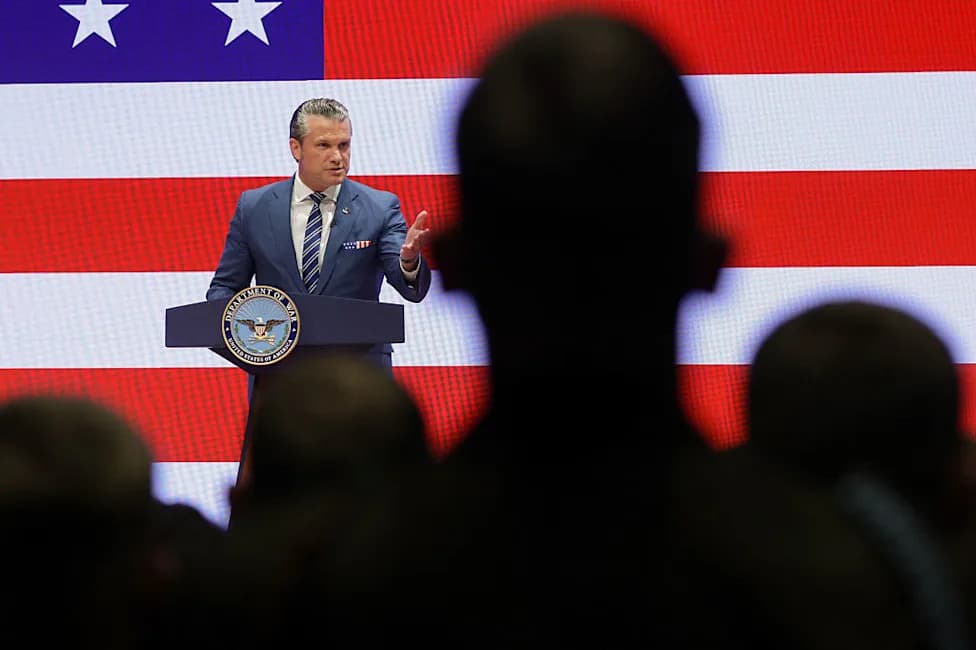
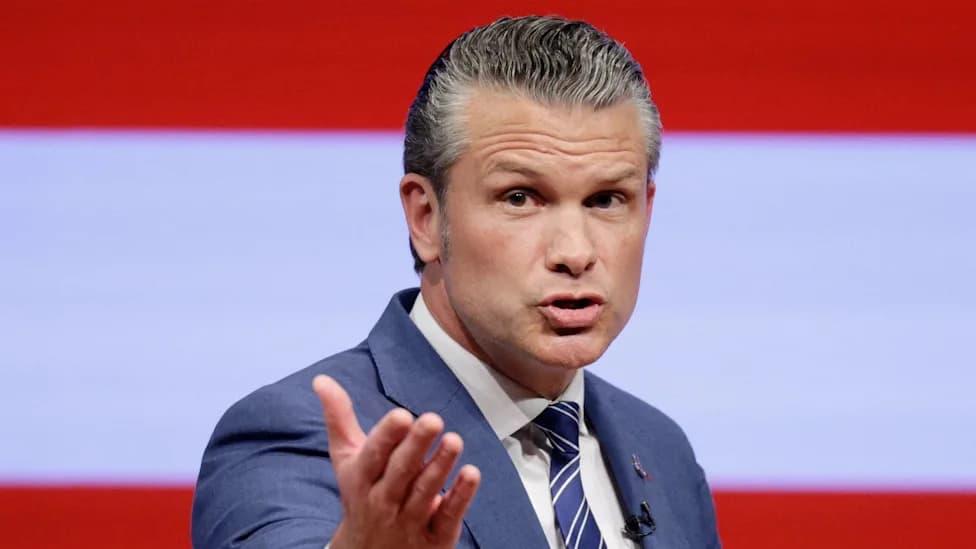
Defense Secretary Pete Hegseth has appointed Elon Musk and Palmer Luckey as advisers to a Pentagon initiative called Project Meridian, prompting concerns about donor influence because both lead companies that benefit from federal defense contracts. The project will be overseen by Emil Michael, who has faced scrutiny over reportedly trading non-public AI-related stock tied to a Musk company while in government. Musk and Luckey are also major Republican funders: Musk contributed heavily to Trump’s 2024 effort and his PAC has spent millions in key Senate races, while Luckey is a prominent West Coast bundler and founder of defense firm Anduril. Observers warn these appointments could create real or perceived conflicts between private interests and public defense policy.
Hegseth Appoints Elon Musk and Palmer Luckey to Advise Pentagon 'Project Meridian', Sparking Donor-Influence Concerns
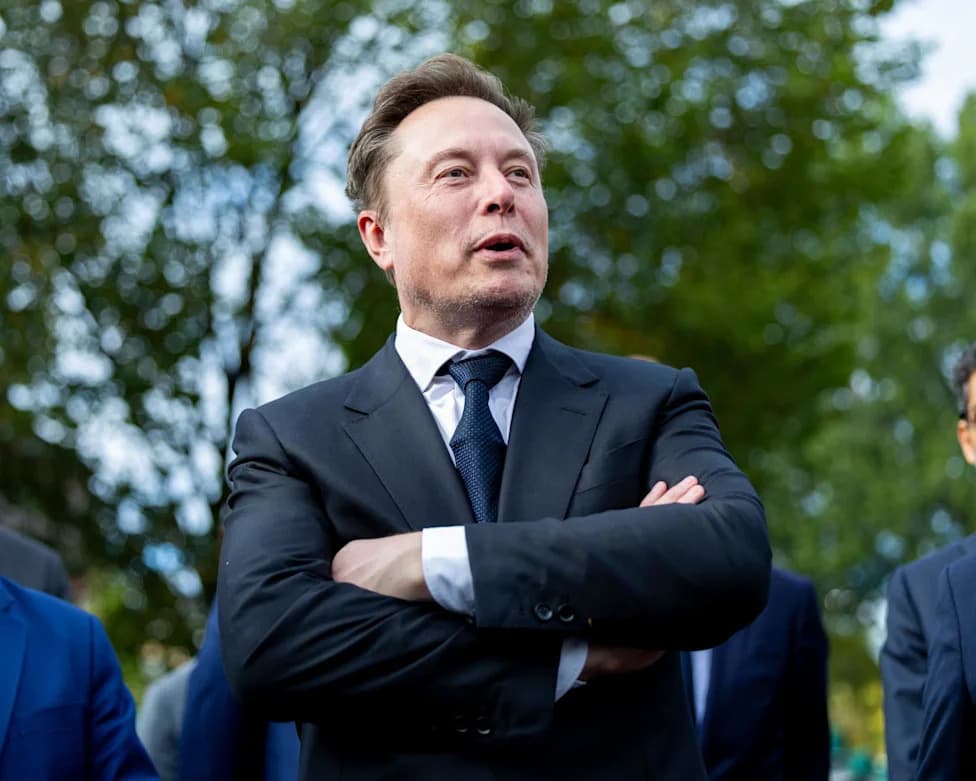
Defense Secretary Pete Hegseth has named tech billionaires Elon Musk and Palmer Luckey as advisers to a new Pentagon initiative on the future of warfare, dubbed Project Meridian. The appointments have drawn scrutiny because both men run companies that benefit from federal defense contracting and are prominent Republican donors.
Who Will Lead Project Meridian
Hegseth introduced Project Meridian at an event in Quantico, Virginia. The initiative will be overseen by Pentagon official Emil Michael, a former Uber executive. The Guardian has reported that Michael reportedly profited by trading non-public AI-related stock tied to a Musk company while serving in government and while helping to direct the Department of Defense's artificial intelligence work.
Advisors, Funding and Ties to Defense Contracts
Along with Musk and Luckey, the advisory lineup reportedly includes former House Speaker Newt Gingrich. Musk was a major financier of Donald Trump’s 2024 campaign, reportedly contributing more than a quarter of a billion dollars and continuing to influence midterm races through his America PAC. Recent filings show the PAC spent millions in key Senate contests, including targeted expenditures in Michigan and Texas.
SpaceX has been a prominent contractor for U.S. space programs since 2018, and the company is closely associated with the administration’s proposed ballistic missile defense initiative—often referred to publicly as the "Golden Dome" project—which has been estimated to carry potential costs into the hundreds of billions or even over a trillion dollars.
Palmer Luckey and Anduril
Palmer Luckey, founder of defense technology firm Anduril, has become an influential figure in Republican fundraising on the U.S. West Coast. Backed by an equity fund linked to Joshua Kushner, Luckey has hosted high-dollar fundraisers for a range of Republican candidates and has been described by some sources as a major bundler for the party.
Luckey has also publicly outlined unconventional ideas about the future of conflict. Earlier this year he predicted that warfare later this century could include "subterranean" operations, with vehicles that might "move through the crust of the earth the same way submarines move through the water," and said his company had "working prototypes of subterranean systems."
Concerns Over Influence and Oversight
"Bringing major industry players into these types of positions at the Pentagon is not something new, but what feels different now is the substantial financial support these two have, and continue to, deliver for the Republican Party," said Brendan Glavin of OpenSecrets, the nonpartisan group that tracks campaign spending.
Critics say appointing major political donors who run defense contractors to advisory roles raises potential conflicts of interest and questions about private influence over public defense priorities. Supporters argue that private-sector leaders can bring technical expertise and innovative thinking to long-term planning.
The Pentagon did not immediately respond to requests for comment.
Help us improve.