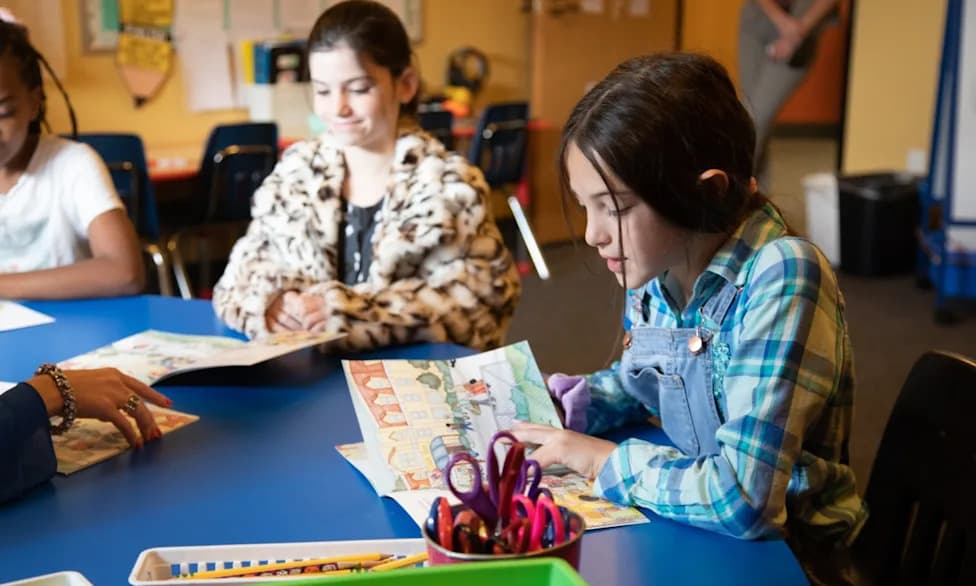
California data show about 24% of the state’s youngest students—those in TK and kindergarten—were chronically absent in 2024–25, above the 19% rate for all students. Chronic absenteeism (missing 10% or more of school days) peaked near 30% in 2021–22 but has improved overall, although early-grade rates remain high. Evidence and practitioners say early outreach—ideally after three to five absences—and clear, targeted communications to families are the most effective strategies to reengage young learners and protect long-term academic outcomes.
Nearly One in Four of California’s Youngest Students Were Chronically Absent in 2024–25
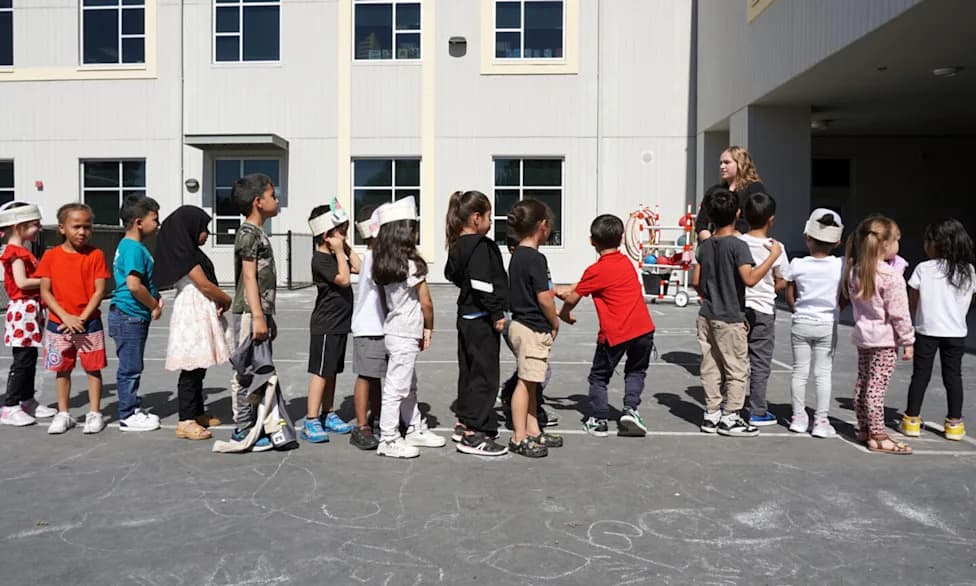
When children first enter formal school—especially in transitional kindergarten (TK) and kindergarten—absences often spike. Illness, difficulty adjusting to routines and lingering uncertainty about when a child should stay home all contribute to spotty attendance among the youngest learners. State data for 2024–25 show roughly 24% of California’s youngest students were chronically absent, compared with 19% for all students.
What Counts as Chronic Absence
Chronic absenteeism is defined as missing 10% or more of school days in a single year. In a standard 180-day school year, a chronically absent student misses about 3.5 weeks of instruction. The statewide rate for all students peaked near 30% in 2021–22 as schools reopened after Covid-related closures but has improved since then. Still, rates remain persistently higher for TK and kindergarten students—an important concern for early education researchers.
Why Early Absences Matter
Frequent absences in the earliest grades are linked to weaker academic outcomes years later. Early learning builds foundational skills—language, pre‑literacy, numeracy and classroom routines—that support later achievement. Research finds that students chronically absent in TK and kindergarten are also about twice as likely to transfer to other school districts. Educators warn that missed days at the start of a child’s schooling can make catching up much harder down the road.
Voices From the Field
"If they are missing school, they are missing out on the building blocks, and it will impact them for the rest of their lives," said Jessica Hull, executive director of communication and community engagement at Roseville City School District near Sacramento.
Administrators note that higher absence among the youngest learners is partly expected because they tend to get sick more often—particularly students who did not attend preschool. "When your child starts school, that's usually a year of sickness," said Kara Stern, director of education at SchoolStatus, an education-technology company that supports districts on attendance. First-time exposures to many peers often mean repeated colds and minor illnesses.
What Districts Are Doing
Many districts have launched targeted outreach campaigns to improve attendance. Roseville City School District, which serves about 12,000 students in Placer County, mailed letters and graphics to families, made direct phone calls and emphasized that children who are only "a little under the weather" can often attend school safely. The district’s broad campaign helped lower its overall chronic absence rate from nearly 26% in 2021–22 to 10.5% in 2024–25, despite enrollment growth.
Still, TK and kindergarten students in Roseville continued to miss class at higher rates than older students. To close the gap, the district shifted toward messaging tailored specifically for families of the youngest children—explaining what children learn each day, listing early "building blocks" (for example, hand-eye coordination activities in TK that lead to sight-word learning in kindergarten), and sending individualized notes warning when students are on track to become chronically absent.
Early Outreach Works
SchoolStatus and other practitioners emphasize early intervention. Their data suggest outreach during the window of three to five absences is far more effective at reengaging students than waiting until chronic patterns are established. In internal data for 2025–26 from 97 California districts they support, TK chronic absenteeism declined to under 22% (from nearly 29% in 2023–24), and kindergarten rates fell to about 20% (from nearly 25%).
Takeaways for Parents and Educators
Small, consistent efforts—clear communication about the value of each school day, quick outreach after the first few absences and supports for families—can reduce early-grade absenteeism. While it’s appropriate to keep children home when they are truly sick, many districts urge parents to seek guidance from school staff on when a child can safely attend. Reestablishing routines and removing barriers to daily attendance are key to improving long-term outcomes for the youngest learners.
This story was originally published by EdSource.
Help us improve.