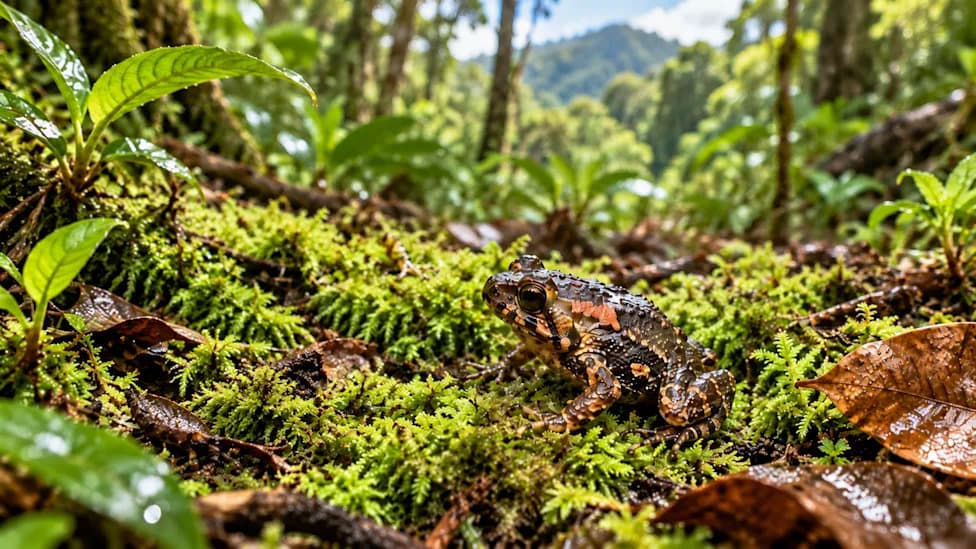
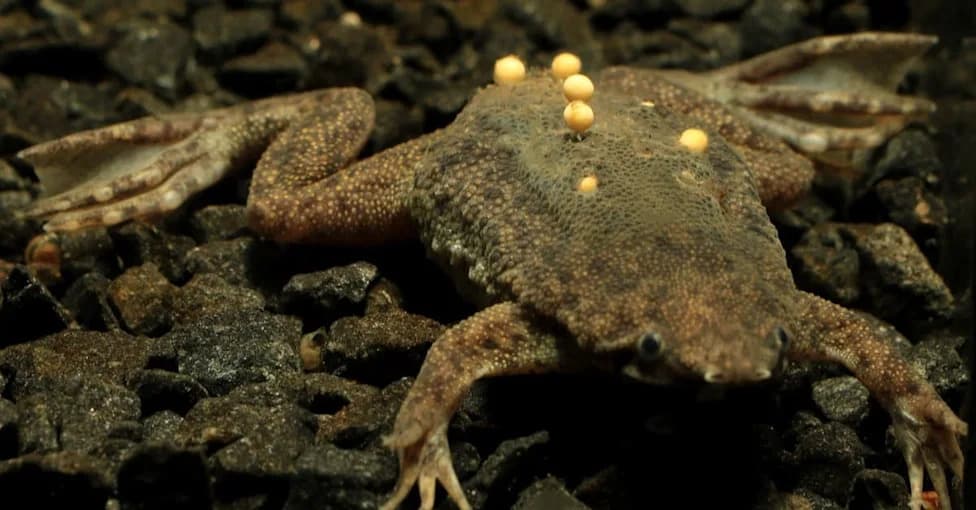
Researchers have described a new toad species, the Phawngpui Toad (Duttaphrynus phawngpui), from Phawngpui (Blue Mountain), Mizoram, based on morphology and mitochondrial DNA. Found at about 7,034 ft and known only above ~6,500 ft, the toad is genetically distinct (3.8%–5.5% divergence), small (1.8–2.2 in), and marked by glandular warts, dark blotches and a pale dorsal stripe. Limited range and mountaintop isolation make it vulnerable to climate‑driven habitat loss; researchers urge further surveys and conservation action.
New High‑Altitude Toad Discovered on Mizoram’s Highest Peak — A Species With Nowhere Higher To Go
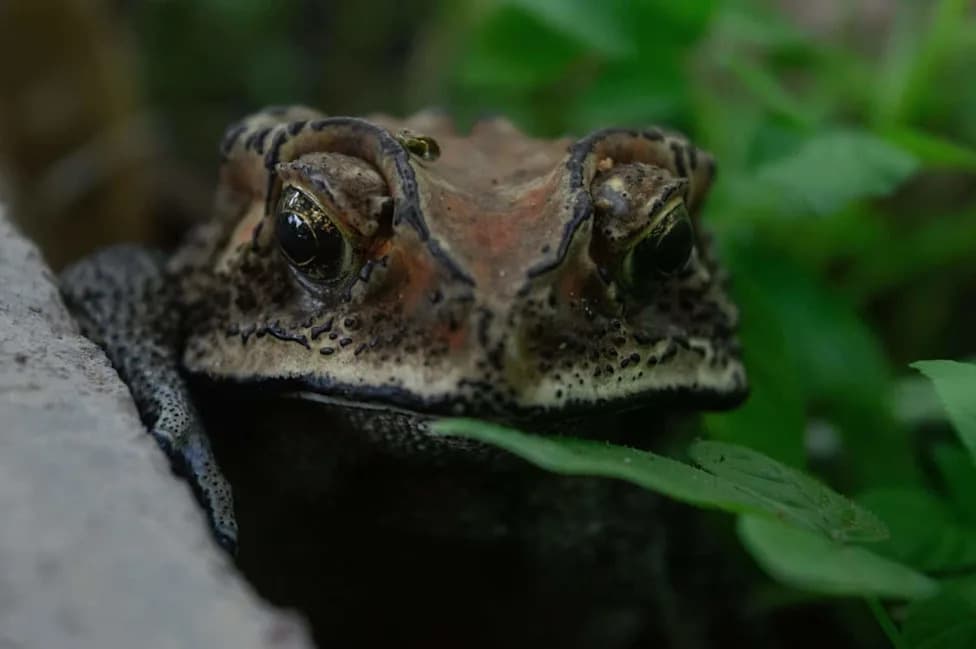
Toads with the scientific name Duttaphrynus melanostictus, Bufonidae have many mucus glands that produce a thick, white liquid containing a variety of toxins.© nurulbadri29/Shutterstock.com
Researchers have described a previously unknown toad species that lives in the leaf litter and bamboo patches near the summit of Phawngpui (Blue Mountain), the highest peak in Mizoram, northeastern India. Published in the journal Taprobanica, the discovery highlights the rich, still‑underexplored biodiversity of Mizoram’s montane forests and raises urgent conservation questions for species confined to mountaintop habitats.
A multinational team from Mizoram University, Assam Don Bosco University, Indonesia’s National Research & Innovation Agency (BRIN) and the conservation group Help Earth recorded the new amphibian during a 2025 zoological expedition to Phawngpui National Park. The species has been named the Phawngpui Toad (Duttaphrynus phawngpui).
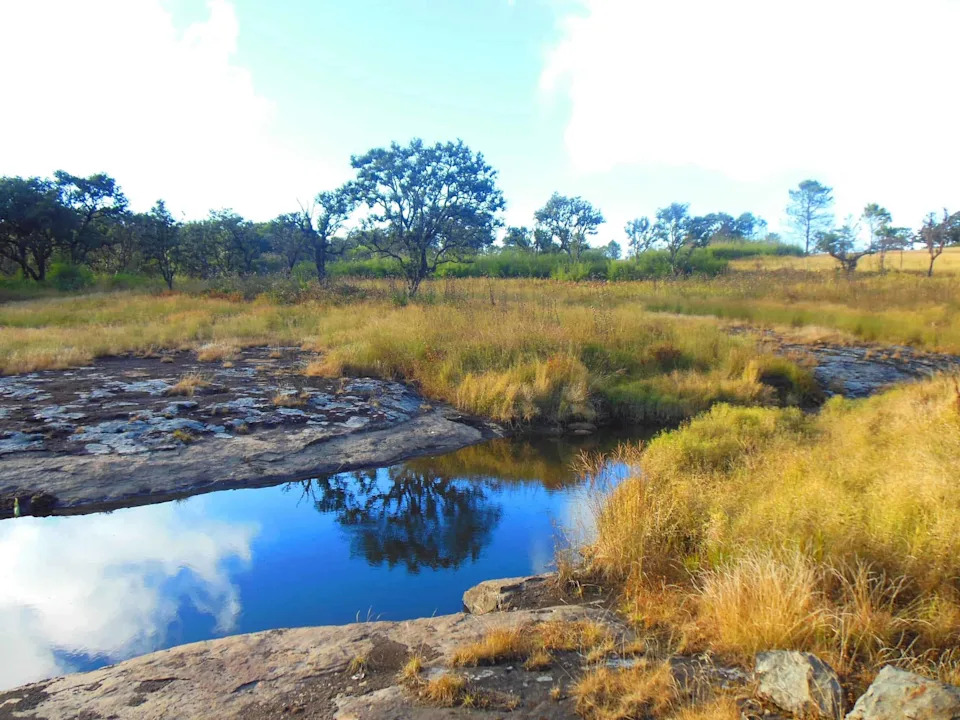
Phawngpui National Park in Mizoram, India, is home to a diverse group of plant and animal species.©Garima Singh, CC BY-SA 4.0, via Wikimedia Commons –Original/License
Where it lives: Scientists found the toads at about 7,034 feet (≈2,145 m), and all known records come from elevations above roughly 6,500 feet. That zone is a subtropical montane pluvial environment—constantly foggy, prone to large temperature swings and heavy rainfall—and supports over 300 plant species. Because the summit’s climate and vegetation differ sharply from lower slopes, Phawngpui acts as a "sky island," isolating populations and promoting independent evolution.
How researchers confirmed it was new: The team combined traditional morphological comparison with mitochondrial DNA analysis. The genetic data place the Phawngpui Toad within the true‑toad family Bufonidae and genus Duttaphrynus, but as a distinct lineage inside the D. stuarti species group. Genetic divergence from its closest relatives ranges from 3.8% to 5.5%, supporting its status as a separate species.
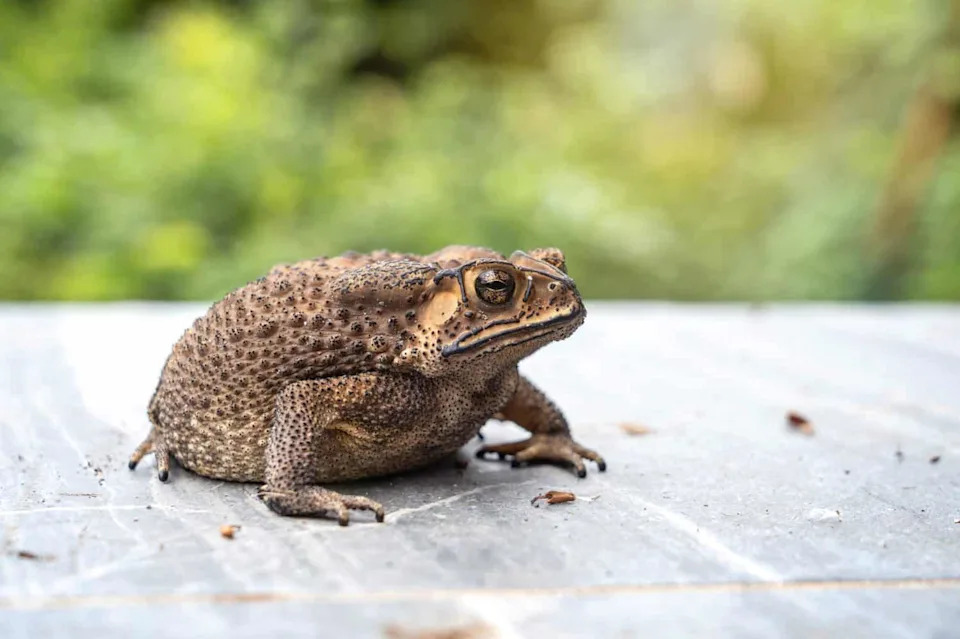
D. phawngpuiis similar in appearance toD. melanostictusas seen here, but has some distinct characteristics.©Ton Ponchai/Shutterstock.com
Appearance and behavior: Adults measure about 1.8–2.2 inches (snout–vent length). Their dorsal color is yellowish to earthy brown with glandular warts and dark brown to black blotches, and they often show a narrow cream to pale‑yellow dorsal stripe. Distinctive traits include a very indistinct tympanum (eardrum) and the absence of most cranial ridges. Although encountered during daytime surveys, researchers suspect the species is primarily nocturnal and likely feeds on small invertebrates, as is typical for related Duttaphrynus toads.
Conservation concerns: Critical data are lacking to assign a conservation status: population size, full distribution, breeding sites and detailed ecological needs remain unknown. Because the toad appears restricted to a single high‑elevation area, it is especially vulnerable to climate change. Warming temperatures drive suitable habitats upslope; species already at the summit have nowhere higher to go, increasing extinction risk. The team also cautioned about the phenomenon of "dark extinction," in which species are described only after they have already disappeared from the wild.
"The discovery is eloquent of the rich biodiversity of the state of Mizoram," said H.T. Lalremsanga, head of the Zoology Department at Mizoram University.
Next steps: Researchers call for targeted surveys across Mizoram’s montane zones to determine whether the Phawngpui Toad is truly endemic to the summit or occurs on other high ridges. Recommended actions include repeat field surveys (including nocturnal searches), habitat mapping, population monitoring, and assessment of potential threats such as climate change, land‑use change and invasive species. Protecting high‑elevation refuges like Phawngpui will be critical to preserving these specialised species.
The discovery of Duttaphrynus phawngpui underscores both the scientific value of remote mountain habitats and the urgency of documenting biodiversity before climate change and other pressures reduce the world’s remaining undiscovered life.
Help us improve.