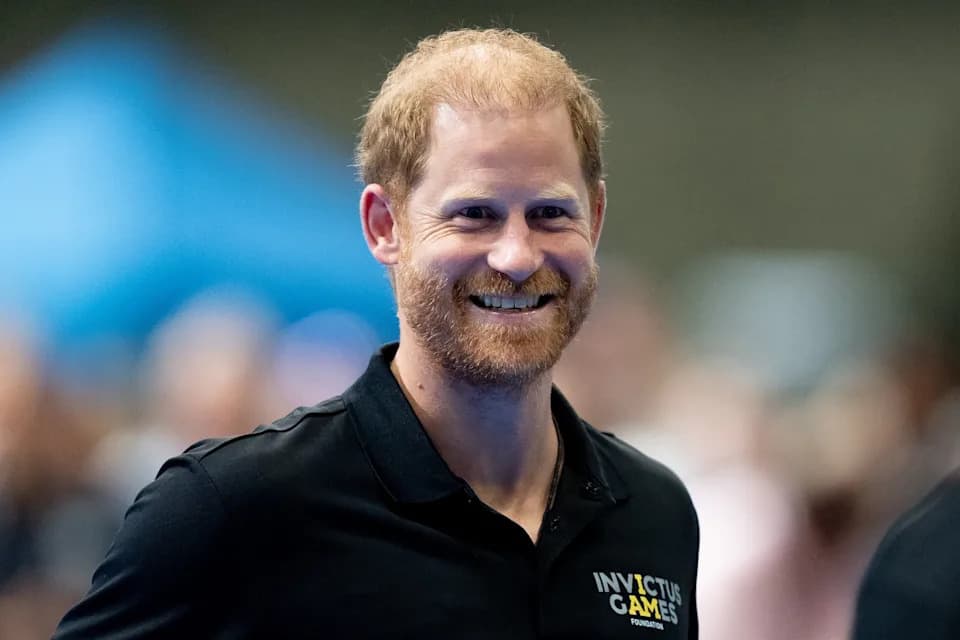
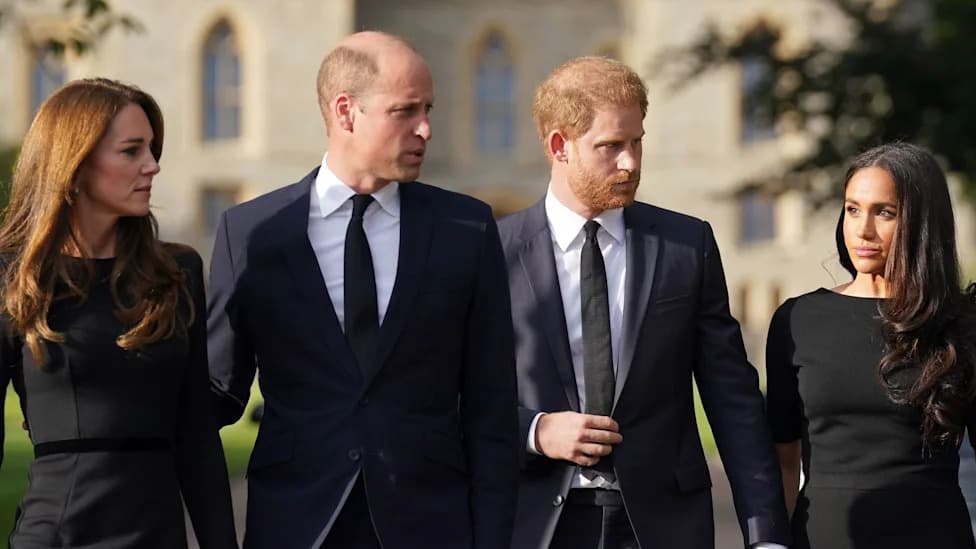
Prince Harry told NATO military chiefs he lost part of his "purpose and identity" after leaving the British Army and urged stronger support for veterans re-entering civilian life. Speaking as founder of the Invictus Games, he emphasized that alliance strength should be judged by the wellbeing of the people and societies forces return to. Harry said Invictus — coming to Birmingham next year — helps rebuild purpose, confidence and community for wounded, injured and sick service personnel.
Prince Harry Says He Lost ‘Purpose and Identity’ After Leaving the Army — Calls For Greater Support For Veterans
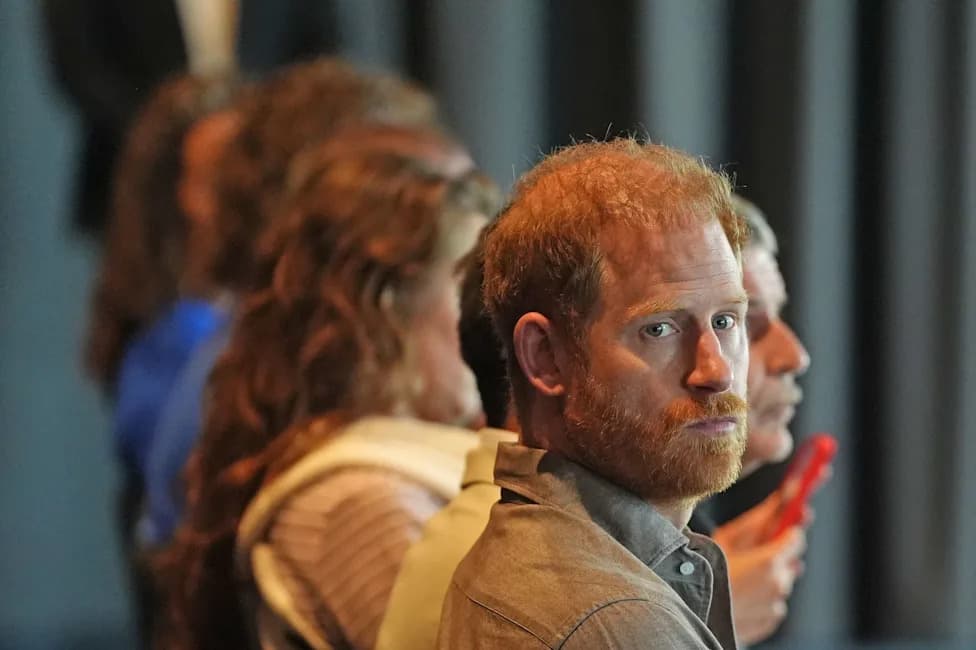
FILE PHOTO - Prince Harry, Duke of Sussex reacts in the audience ahead of a Q&A session during a visit to Movember at the Western Bulldogs headquarters at Mission Whitten Oval in Footscray, Melbourne, on day two of the royal trip to Australia. (is associated with: «Harry tells military chiefs he lost purpose and identity after Army») Jonathan Brady/PA Wire/dpa
Prince Harry has told NATO military leaders that when he left the British Army he felt he had lost part of his "purpose and identity," and urged far greater attention to the needs of service personnel after they leave uniformed life.
Speaking by video link to NATO's military committee in Brussels as the founder of the Invictus Games, the duke of Sussex reflected on a decade in the forces before formally ending his military career in 2015. He said he was "fortunate" to have found another way to serve, through the Invictus movement, after leaving the Army.
"When I hung up my uniform, I felt as though I had lost not simply a profession, but part of my purpose and identity. I was fortunate. I had another way to serve."
Harry warned military leaders that too much attention is focused on preparing people to serve while not enough is paid to how they reintegrate into civilian life — particularly those who return wounded, injured or sick. "We must think just as seriously about what happens to them after they have served," he said.
He underlined the shared goals of NATO and Invictus: both depend on people who volunteer, train, deploy and often recover together, and on families who support them. "The strength of an alliance cannot only be measured by the forces it can deploy. It must also be measured by the people and societies those forces return home to," he told the committee.
The duke is organising the Invictus Games in Birmingham next year, stressing that the event is more than sport: "Sport is one of our tools. Our mission is much bigger. We rebuild purpose. We rebuild confidence. We strengthen families and communities. We connect veterans back into society."
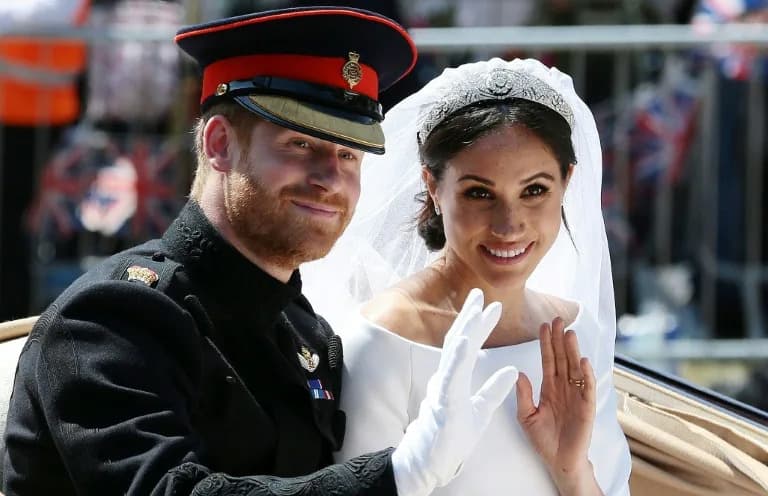
The speech also touched on recent developments in Harry's public role: he moved back to the United Kingdom last month, and has previously been prevented from wearing military uniform at public ceremonial events since stepping back as a working royal. When his move to the United States became permanent, his military titles and royal patronages were removed — an outcome he and his wife said would not stop them from pursuing a "life of service."
Why this matters: As defence organisations invest heavily in training and equipping service personnel, Harry urged that comparable investment is needed in long-term care, mental-health support and social reintegration to ensure veterans can rebuild lives after service.
Help us improve.