The Sussexes have returned to the UK after six years in the United States, with Buckingham Palace calling the visit that of "private citizens." Key issues include an ongoing legal dispute over police protection, who would pay for security, and whether Archie and Lilibet will use princely titles while resident in Britain. The couple's commercial and charitable projects will face intense British scrutiny, and practical questions about housing, schooling and participation in private family events remain unresolved.
Harry and Meghan's Surprise Return to the UK Rekindles Questions Over Security, Titles and Family Role
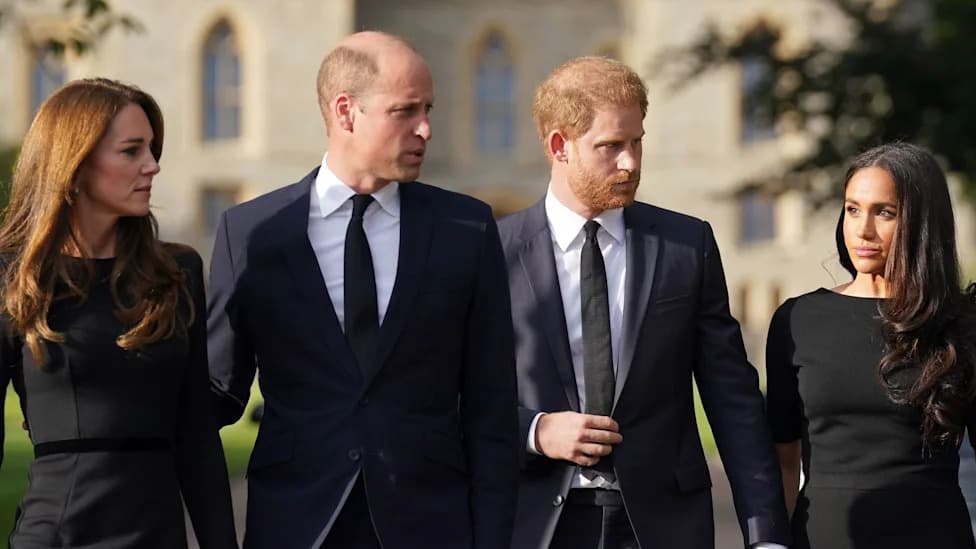
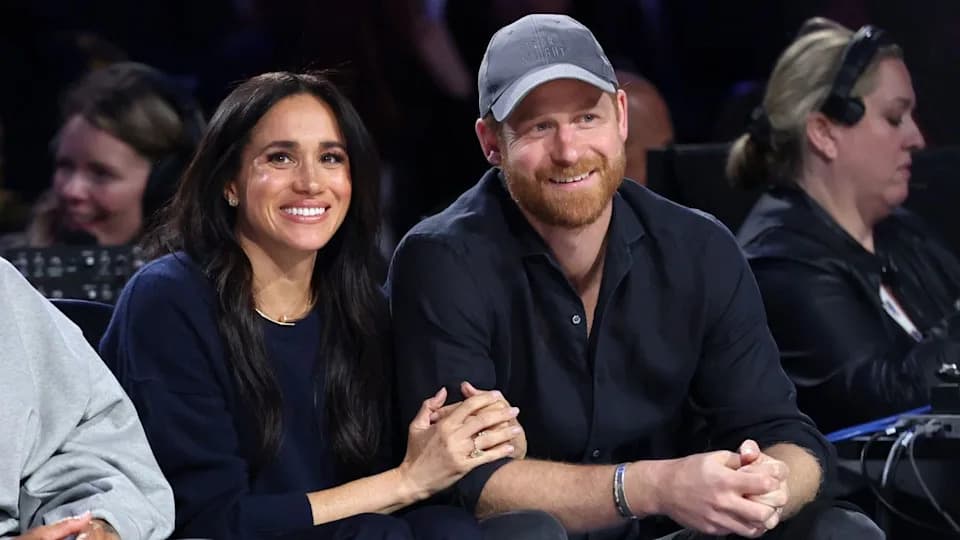
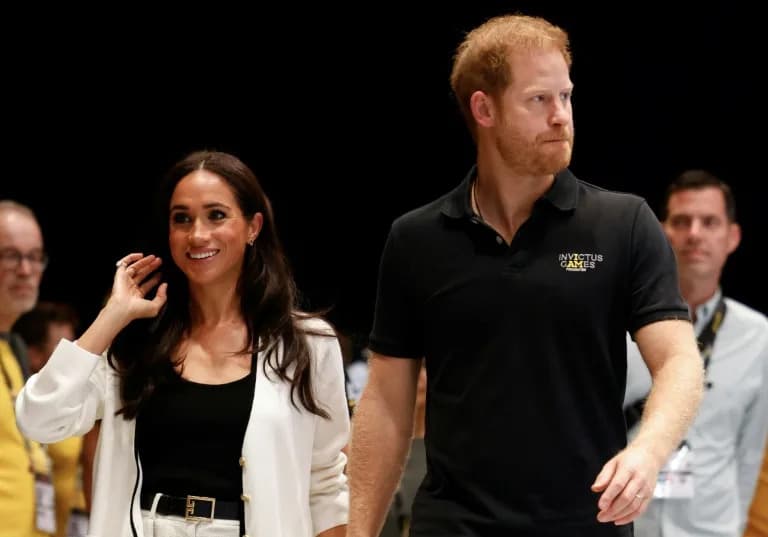
Prince Harry and Meghan Markle's surprise return to the UK leaves the royal family's future in question (Getty Images)
Six years after relocating to the United States, Prince Harry and Meghan Markle have returned to the United Kingdom. No official explanation has been given for the move, but their arrival has already revived many of the tensions and uncertainties that have defined their relationship with King Charles III and the wider royal family.
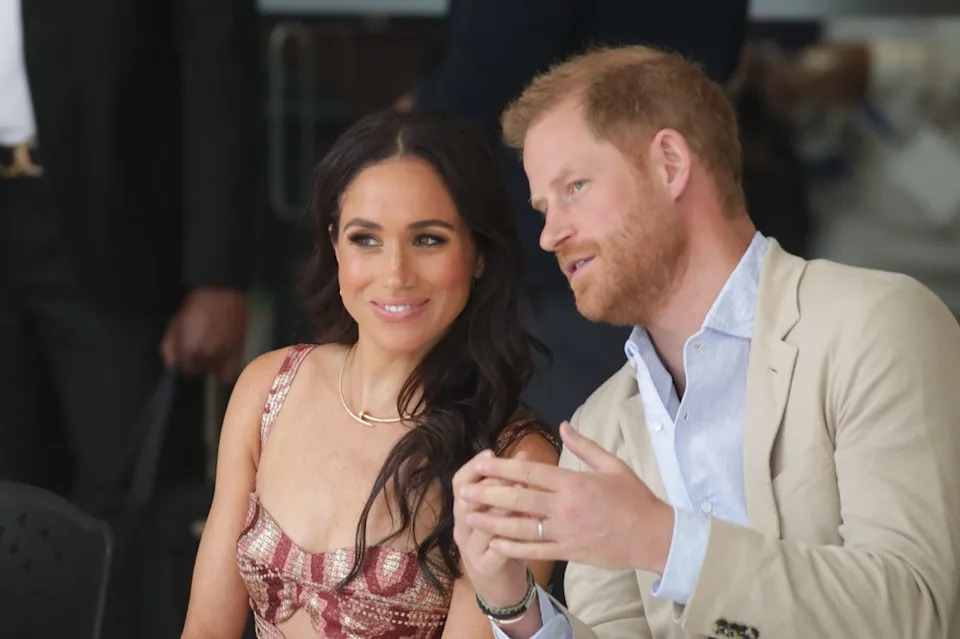
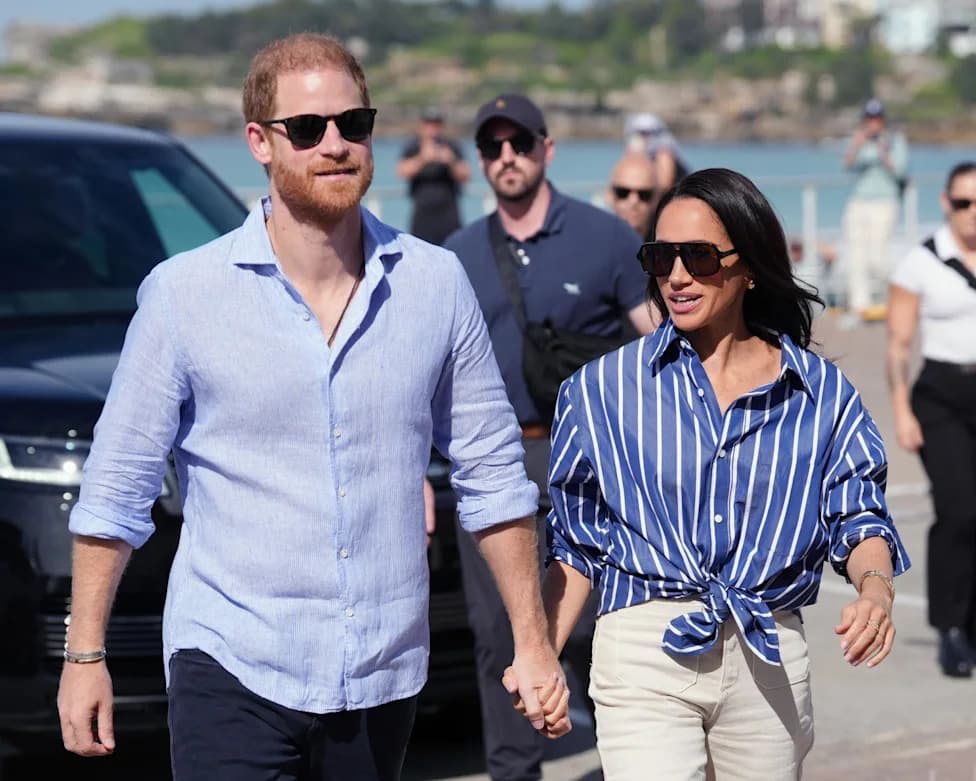
Meghan and Harry are back in the UK (@ Anadolu)
Buckingham Palace quickly described the visit as that of "private citizens," a characterization that reportedly surprised the couple and underlines how coordination between the Sussexes and the monarchy has diverged from earlier expectations. Officially, Harry and Meghan will not perform royal duties, will not represent the Crown and will not receive public funding — yet their presence inevitably affects the institution: the media follows them, public narratives shift, and the Palace must handle any interaction with extra care.
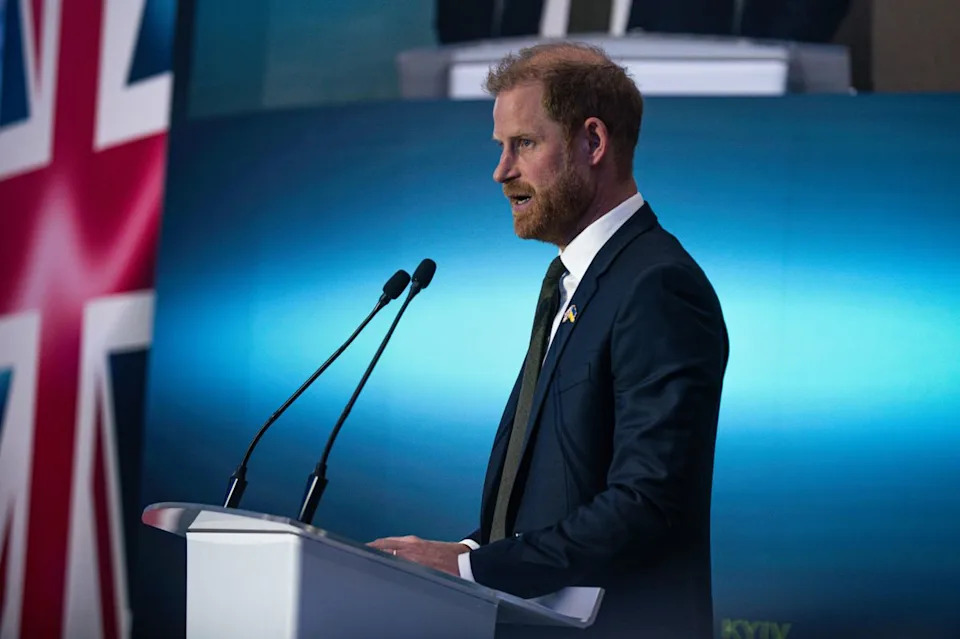
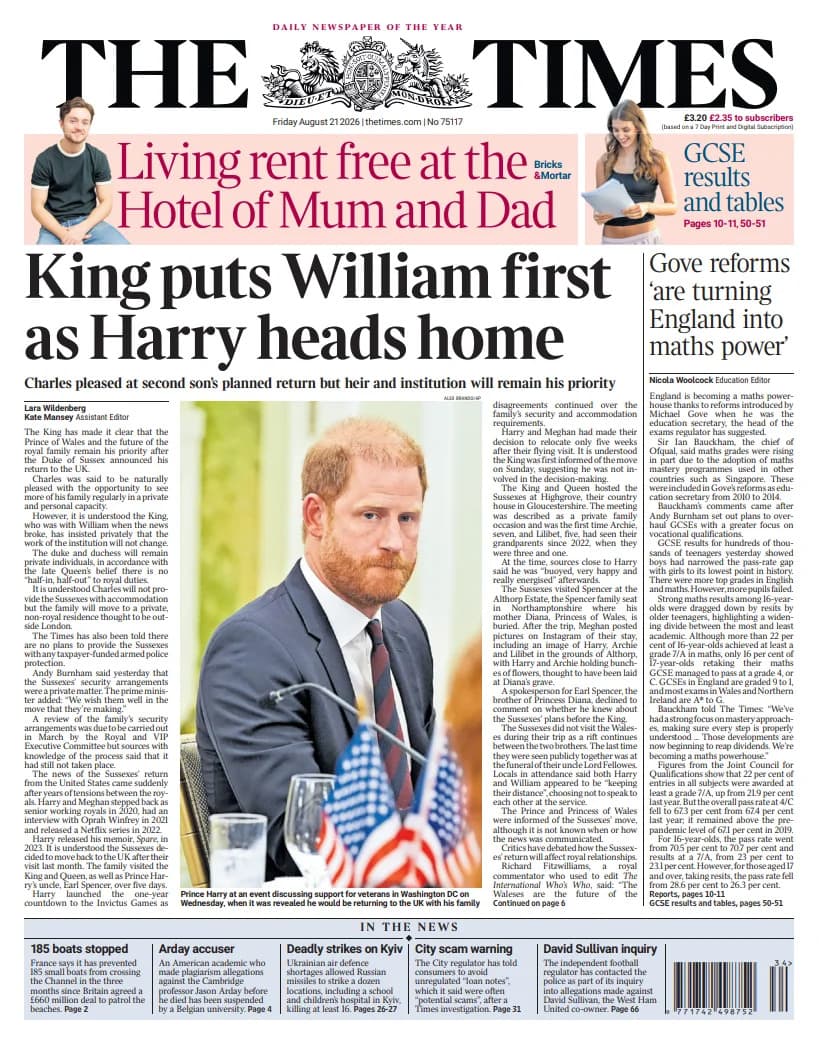
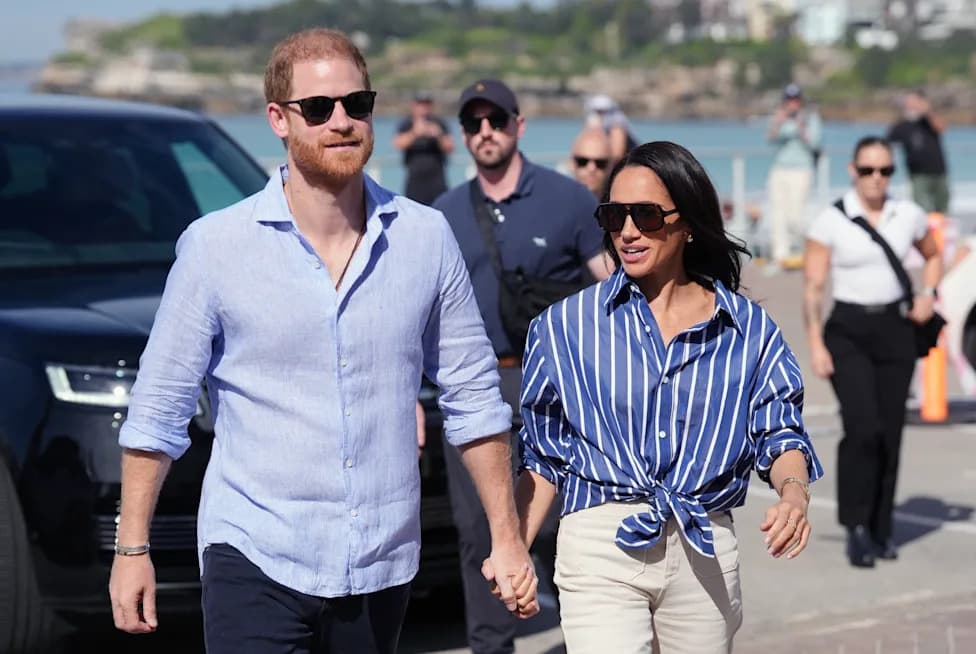
Harry has also been spotted in London following the family's return to the U.K. (@ Global Images Ukraine)
Security And The Home Office Dispute
One of the most immediate flashpoints is security. Harry remains in litigation with the Home Office over police protection, and his return as a UK resident raises a thorny legal and political question: can the state lawfully refuse security to the monarch's grandchildren who live on British soil? Beyond the legal issue lies a practical one: what level of protection would be provided and who would pay for it? This is likely to be the fastest and most contentious issue to surface.
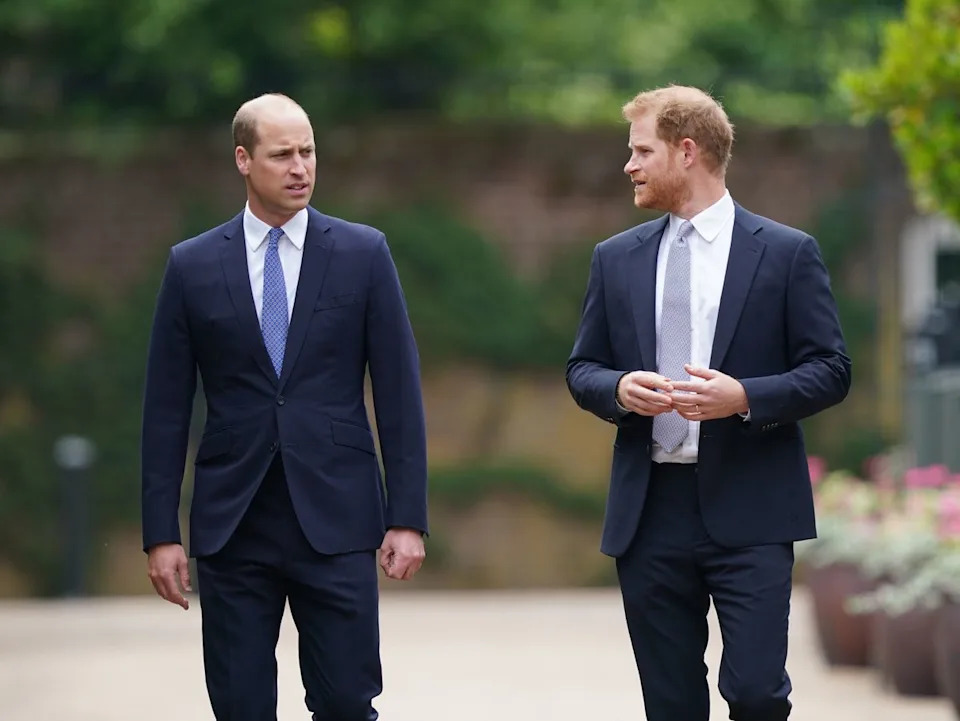
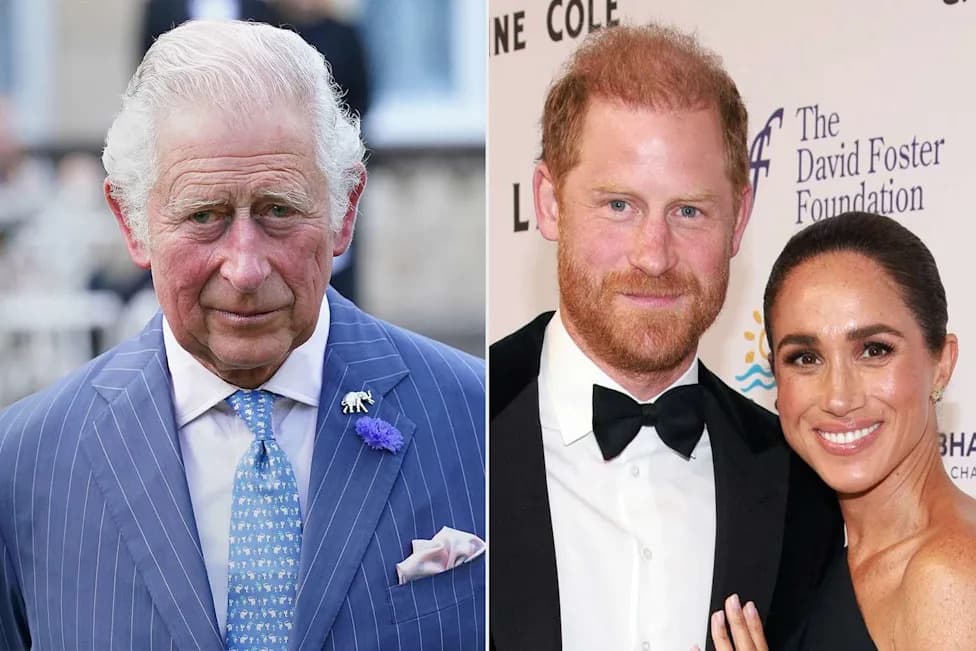
Prince Harry and Prince William have remained at the center of speculation about a possible reconciliation between the brothers. (@ Getty Images)
Family Status And Private Gatherings
The Sussexes remain members of the House of Windsor by birth, even if they are not working royals. Like other non-working family members — from the York sisters to Peter Phillips and Zara Tindall — they have historically attended private family events such as Ascot and Christmas at Sandringham. Whether they will take part in those gatherings now is a question that affects the King's private life as much as public perceptions.
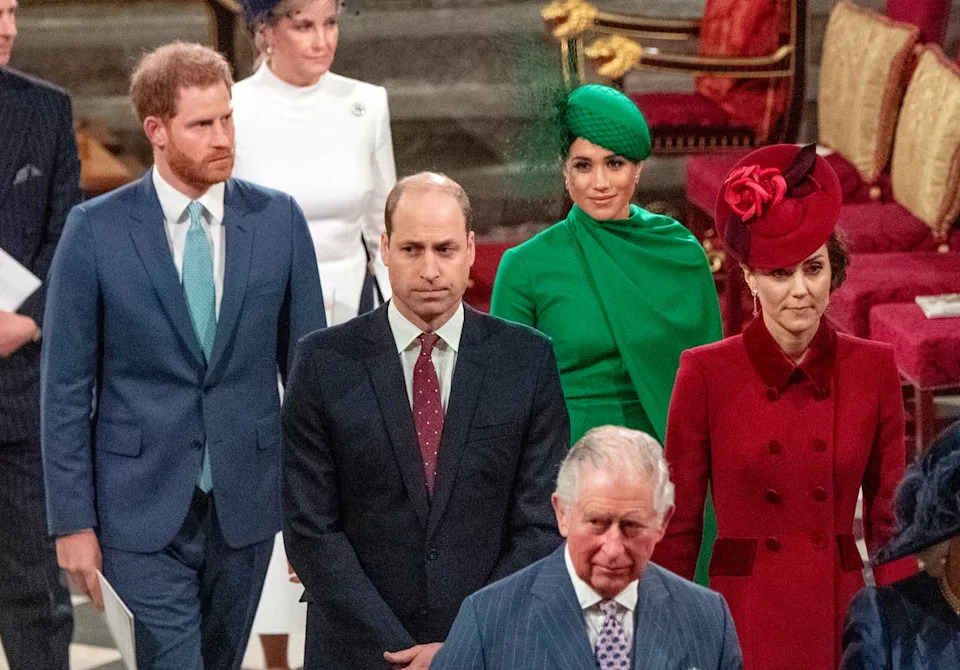
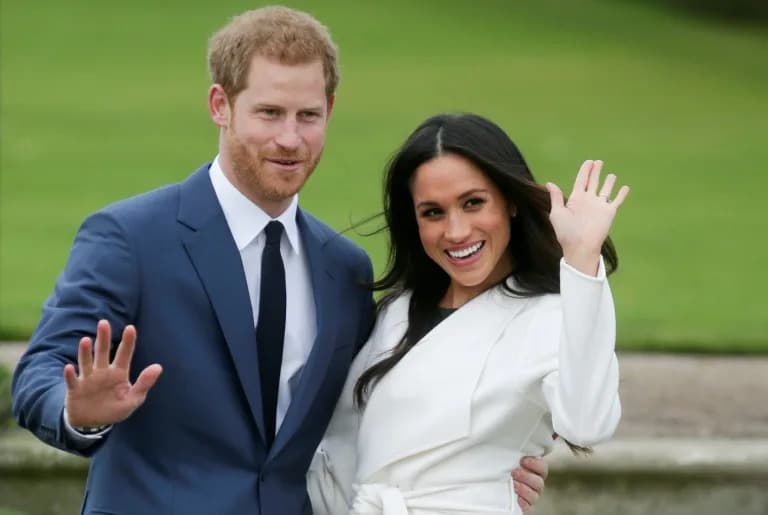
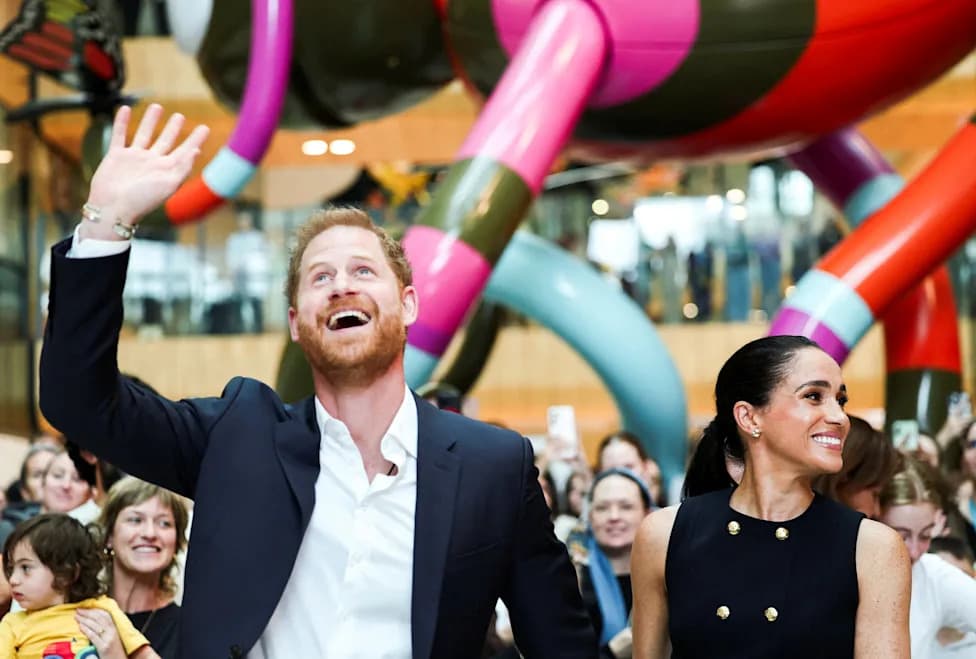
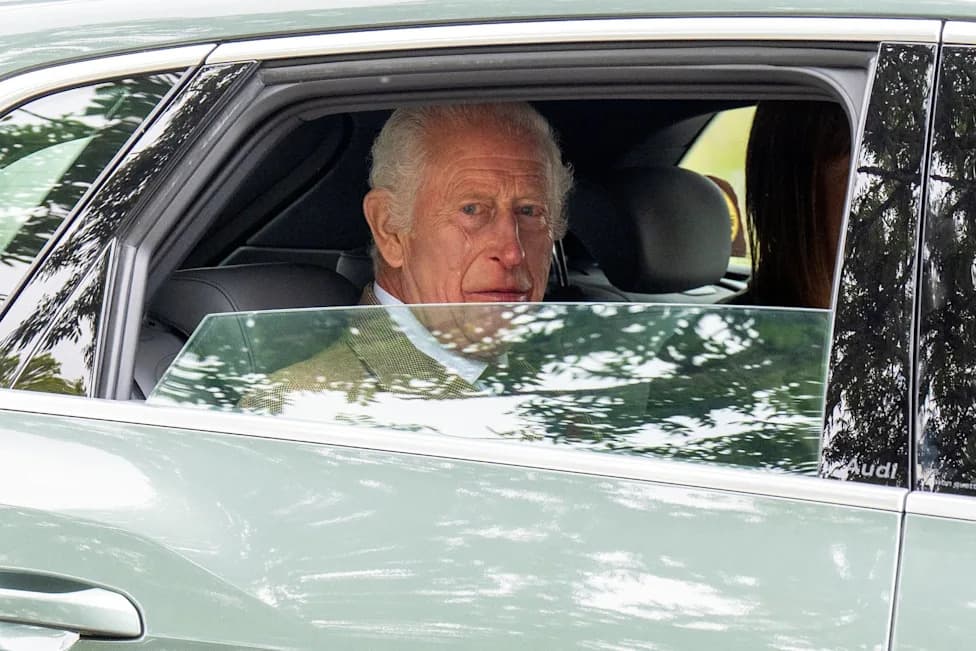
The family will be reunited after spending many years apart (@ POOL/AFP via Getty Images)
Titles, Law And Public Debate
Recent coverage has renewed debate over whether Archie and Lilibet should use princely titles while living in Britain. Legally those titles belong to the children under the 1917 Letters Patent and do not depend on residency. There is no straightforward administrative mechanism to remove or alter those titles without an act of Parliament, and no serious proposal for such action is currently on the table.
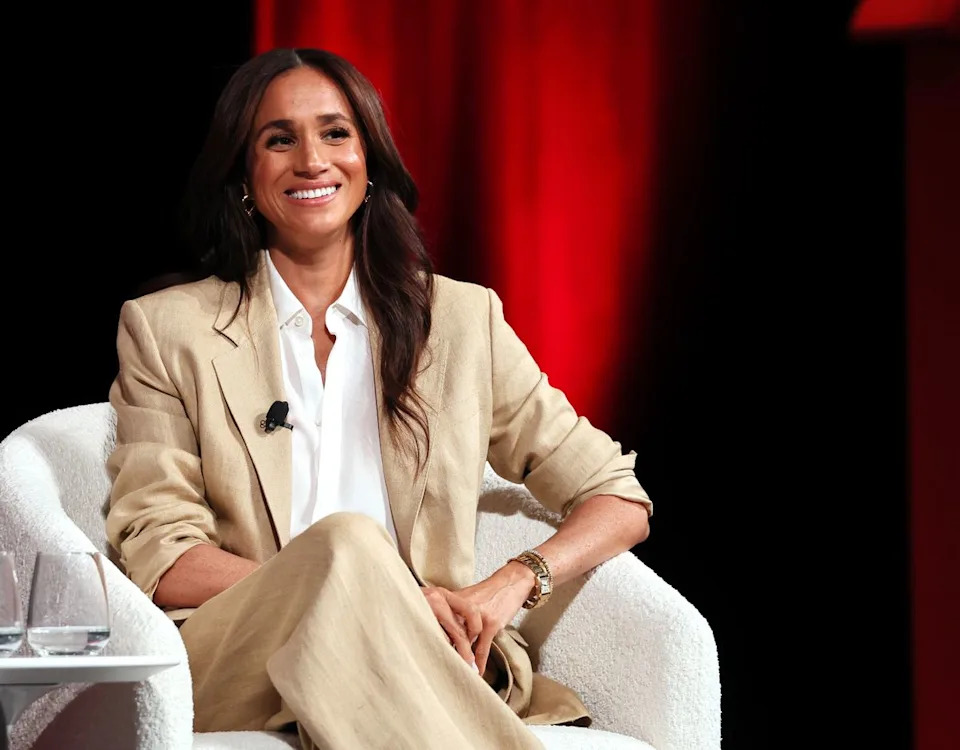
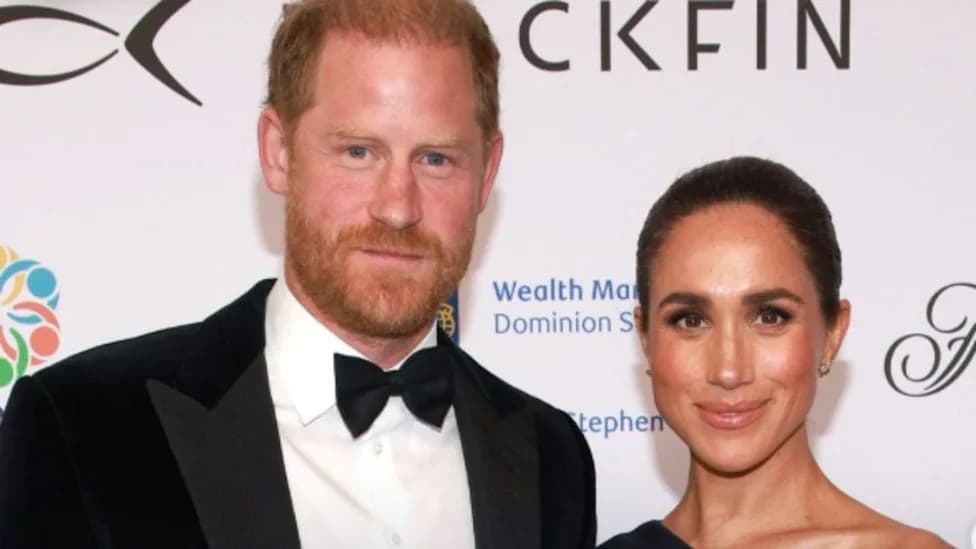
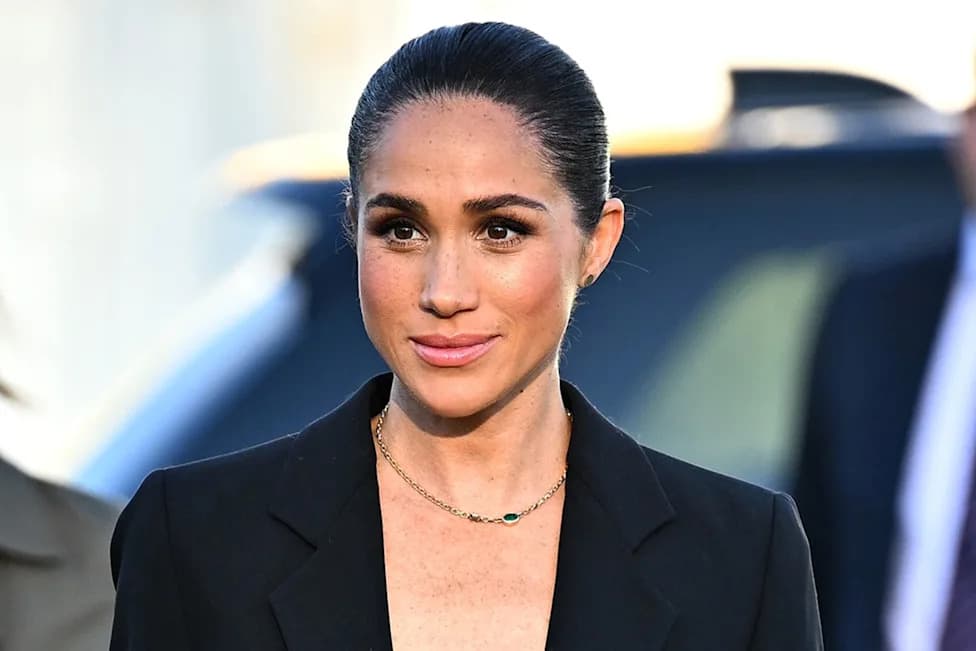
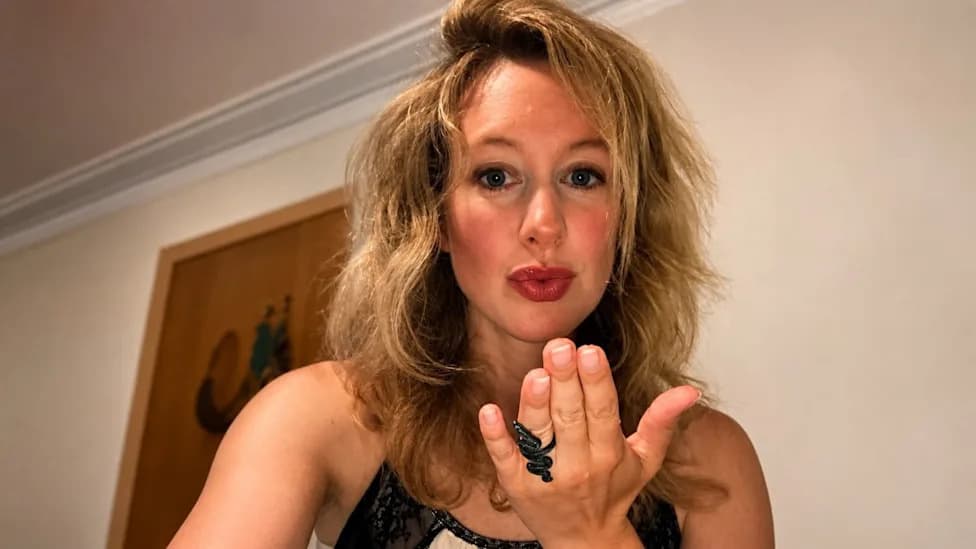
Meghan Markle is visualizing new projects for the future (@ Getty Images for TIME)
Work, Money And Media Scrutiny
As private citizens the Sussexes are free to pursue commercial and charitable projects, but every venture will be viewed through a British lens. Archewell has lost momentum, the couple's podcast As Ever is still finding its footing, and Meghan is reportedly exploring new professional opportunities. Returning to London will intensify scrutiny of those activities and raise questions about whether commercial aims can coexist with their identity as members of the royal family.
Harry's Public-Service Focus
Harry has emphasized public service over pure commercial activity since stepping back from royal duties. He has sustained the Invictus Games, partnered with organizations such as World Central Kitchen, championed online safety initiatives and remained visibly engaged in support for wounded civilians and service members in Ukraine since 2022. Yet philanthropy outside the royal framework has proved more challenging in terms of fundraising and access.
Practical Unknowns
Logistics remain unsettled: where the family will live (a home in the Cotswolds has been suggested), which schools their children will attend, what security arrangements will be agreed, whether they will join private family gatherings, and how their professional lives will interact with their Windsor identity. These five practical uncertainties will shape how the return unfolds over the coming months.
Bottom line: Their return as private citizens does not erase the institutional ripple effects of their presence. The answers to security, family participation, titles, funding and commercial activity will determine whether this homecoming stabilizes relationships or sparks new tensions.
Help us improve.